Last updated on February 20th, 2026
- Why Understanding The Pug Breed Matters
- Main Types of Pug Breeds
- Popular Pug Mix Breeds
- Making Ethical Buying or Adoption Choices
- Your Ultimate Resource for Pug Breeds
- Fawn Pugs – The Classic Standard
- Black Pugs – The Midnight Marvels
- Silver Pugs – The Rare Showstoppers
- Apricot Pugs – A Warm-Toned Wonder
- White & Albino Pugs – Unique but Controversial
- Brindle Pugs – The Rare Patterned Pug
- Rare Color Variants – Myths vs. Reality
- Pug Mix Breeds – Exploring the Designer Hybrids
- Puggle (Pug x Beagle)
- Chug (Pug x Chihuahua)
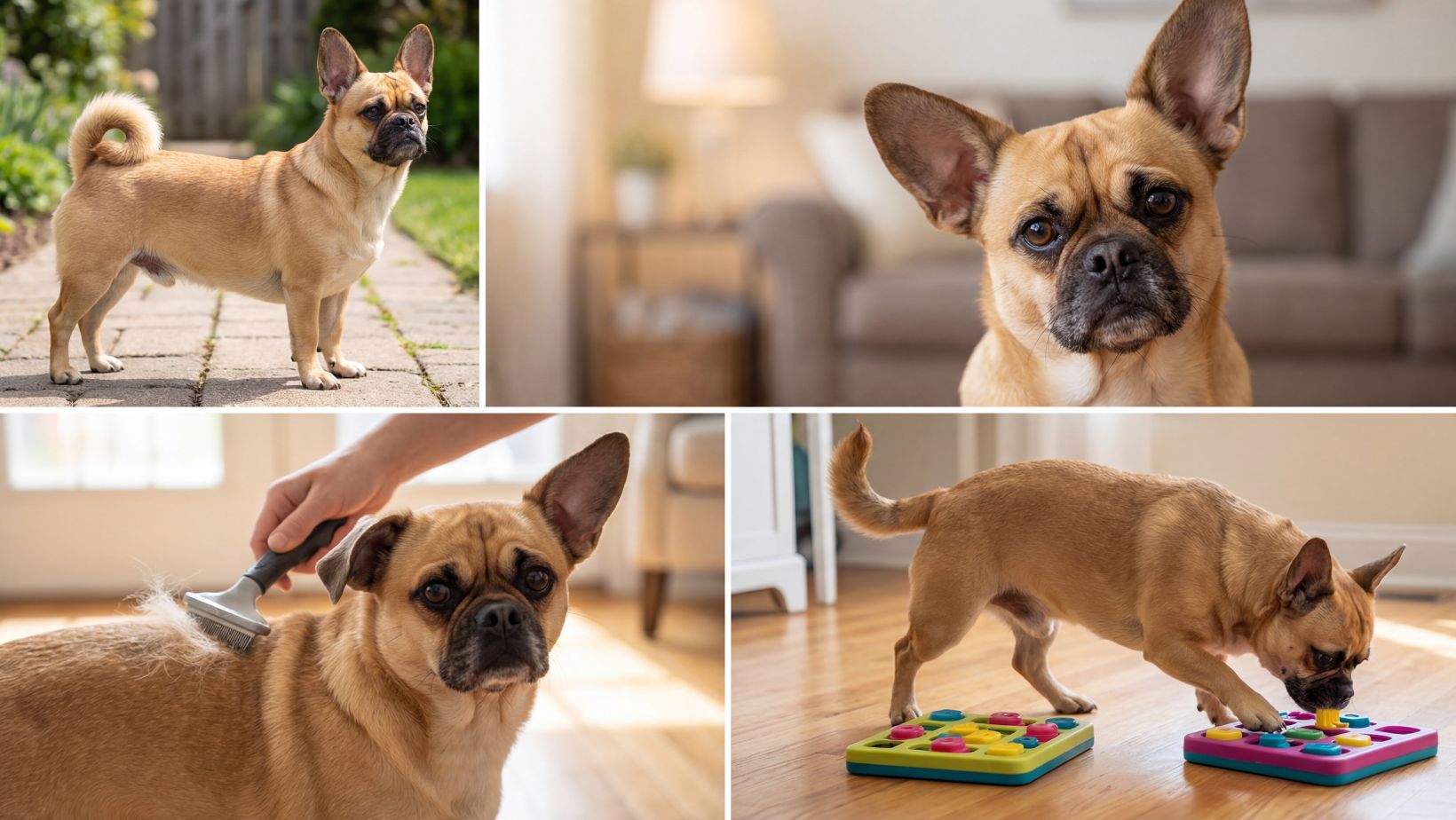
- Frug (Pug x French Bulldog Mix)
- Jug (Pug x Jack Russell Mix)
- Chug (Pug x Chihuahua)
- Daug (Pug x Dachshund Mix)
- Shih-Pug (Pug x Shih Tzu Mix)
- Pugalier (Pug x Cavalier King Charles Spaniel)
- Pom-A-Pug (Pug x Pomeranian)
- Pugapoo (Pug x Poodle)
- Porgi (Pug x Corgi)
- Pugador (Pug x Labrador Mix)
- Puginese (Pug x Pekingese Mix)
- Show-Type Pug Breeds vs. Retro Pugs – Which is Right for You?
- FAQs About Pug Breeds
- What are the two officially recognized pug colors?
- Which pug color is the rarest?
- Are coat colors linked to personality differences?
- Are white pugs purebred?
- What is a brindle pug?
- Do rare pug colors cost more?
- What is a retro pug?
- What is the difference between show and retro pugs?
- Do pug mixes have fewer health problems?
- What is a Puggle?
- Are Pugapoos hypoallergenic?
- What is a Porgi?
- Which pug type is best for families with kids?
- How long do pugs live on average?
- Are pug mixes easier to train?
- References
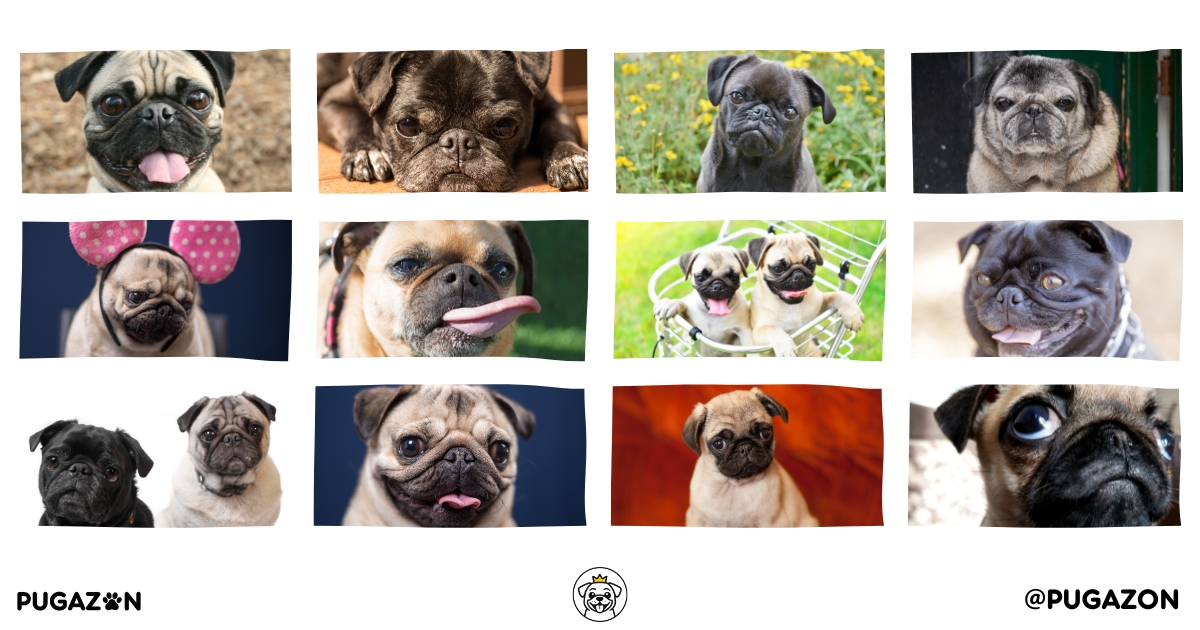
When most people picture a pug, they imagine the classic fawn coat, black mask, and curled tail. But the world of pug breeds and pug mixes is far more diverse than many realize. From rare color variations to adorable hybrid breeds like the Puggle (Pug Beagle Mix) or Shih-Pug (Pug Shih Tzu Mix), there’s a pug for every personality and household.
This guide is designed to help you understand all the different types of pugs. From recognized color variations to non-standard coats and popular pug mixes, while providing expert advice on choosing the right one for your family. Whether you’re looking for a purebred pug puppy, considering a pug mix rescue, or simply curious about all the pug varieties out there, this page is your ultimate reference.
Why Understanding The Pug Breed Matters

Not all pugs are the same. Over centuries, pugs have been bred for companionship, resulting in different colors, shapes, and unique hybrid variations. Knowing the differences between the various pug breeds helps you understand them better. Learn important pug specifics such as:
- Choose a pug that matches your lifestyle, activity level, and home environment.
- Understand health risks and grooming needs specific to each color or mix.
- Make ethical buying or adoption choices by learning what to look for in a reputable breeder or rescue organization.
- Plan for training, socialization, and long-term care based on the breed’s traits.
Main Types of Pug Breeds
The purebred pug is recognized worldwide by organizations such as the American Kennel Club (AKC) and comes in a few main standard colors, with some rare, non-standard variations:
- Fawn Pug – The most popular pug color, with a light coat and dark facial mask.
- Black Pug – Sleek and striking, known for a glossy black coat.
- Silver Pug – A lighter gray-silver shade, elegant and rare.
- Apricot Pug – A warm, golden coat variation, slightly darker than fawn.
- White Pug (Non-Standard) – Often the result of recessive genes or crossbreeding, not officially recognized by AKC.
- Albino Pug (Non-Standard) – True albinism is rare and linked to specific genetic traits.
- Brindle Pug (Non-Standard) – A unique coat pattern with dark stripes over a lighter background.
- Other Rare Color Variants – Including chocolate, blue, and lilac, appearing occasionally through specific breeding lines.
Each color type has slight differences in appearance and rarity, but all purebred pugs share the same loving, playful personality and companion-driven nature that makes the breed so adored worldwide.
Popular Pug Mix Breeds

Designer pug mixes have surged in popularity, offering a blend of the pug’s affectionate nature with the traits of other beloved breeds. Some of the most sought-after mixes include:
- Puggle (Pug Beagle Mix) – A playful, energetic mix with strong scent-tracking instincts.
- Chug (Pug Chihuahua Mix) – A tiny, spirited hybrid that’s perfect for apartment living.
- Frug (Pug French Bulldog Mix) – Compact, affectionate, and full of clownish antics.
- Jug (Pug Jack Russell Mix) – A lively and intelligent companion, great for active households.
- Daug (Pug Dachshund Mix) – Long-bodied and loving, combining humor and bravery in a small frame.
- Shih-Pug (Pug Shih Tzu Mix) – A charming lapdog with a silky coat and sweet temperament.
- Other Pug Mixes: Including Pom-A-Pug (Pug Pomeranian Mix), Porgi (Pug Corgi Mix), Pugador (Pug Labrador Mix), Puginese (Pug Pekingese Mix), and many more, each with their own unique traits and care needs.
Every pug mix is different, even within the same hybrid, making it essential to research carefully and meet the parents before committing to a puppy.
Making Ethical Buying or Adoption Choices
With pugs and pug mixes in high demand, it’s vital to avoid irresponsible breeders or puppy mills. The best choice is always one that prioritizes the welfare of the dog.
For trusted information, visit our dedicated Help Pages:
- Pugs for Sale – A resource-packed guide with tips and advice on buying or adopting pugs and mixes ethically.
- Pug Breeders – Coming soon: a guide to identifying reputable breeders who prioritize health and temperament.
- Pug Rescue – Information on rescue organizations offering pugs and mixes in need of homes.
- Pug Charities – How to support organizations improving pug welfare globally.
- Pug Adoptions – Practical advice for adopting a pug or mix safely and responsibly.
Your Ultimate Resource for Pug Breeds
This Pug Breeds guide is part of our mission to make Pugazon the #1 global authority on all things pug-related. Each breed and mix listed here links to an in-depth guide covering:
- History and origins
- Physical traits and temperament
- Health risks and longevity
- Diet, grooming, and care
- Ethical buying or adoption options
- FAQs tailored to each breed
Use this guide as your starting point, then explore the detailed individual breed pages to find the perfect pug or pug mix for your lifestyle.
Fawn Pugs – The Classic Standard

Introduction to Fawn Pugs:
Fawn pugs are the most iconic type of pugs breed, making up nearly 80% of the global pug population. With their cream-to-apricot coats, black masks, and famously sweet personalities, they’ve been adored by emperors, royals, and modern families for centuries, standing as the gold standard of the pug breed.
Overview of the faw pug breed:
If you’ve seen a pug in a movie, on social media, or snoozing on a neighbor’s couch, chances are it was a fawn pug. Known as the most recognizable and widely loved pug color, these little charmers have been stealing hearts for over 2,000 years. Originating in imperial China, pugs were bred as companions for emperors and nobility, often chosen for their light-colored coats, which symbolized purity and prestige. As they spread to Europe in the 16th century, they became a staple among aristocrats, earning their place in royal families, including the famous House of Orange.
Today, fawn pugs dominate AKC registrations, accounting for approximately 70–80% of all pugs worldwide. Their appeal is undeniable—the soft cream or apricot-tan coat, dark expressive eyes, wrinkled little face, and curled tail make them one of the most photogenic and recognizable dog breeds on the planet.
But beyond looks, it’s their personalities that seal the deal. Fawn pugs are affectionate, loyal, and endlessly entertaining. They thrive on companionship, earning the nickname “velcro dogs” because they want to be by your side every moment of the day. Known for their hilarious antics and love of naps, they’re perfectly suited to families, seniors, and apartment living.
From a health standpoint, fawn pugs share the same traits and risks as other pugs—brachycephalic breathing issues, potential obesity, eye injuries, and skin fold infections—so owners should be proactive with vet visits, a controlled diet, and regular wrinkle cleaning. In return, these lovable clowns can live 12–15 years of snort-filled joy.
Grooming is fairly simple but frequent due to heavy shedding despite their short coats. Weekly brushing, monthly baths, and daily wrinkle cleaning are part of the standard routine. Combine that with short daily walks and a comfortable indoor environment, and your fawn pug will be the happiest pup in town.
Their fame in pop culture—from Frank in Men in Black to viral social media stars—has ensured fawn pugs remain the face of the breed globally. Yet despite their popularity, responsible breeding and adoption remain essential to ensure their health and well-being.
Black Pugs – The Midnight Marvels
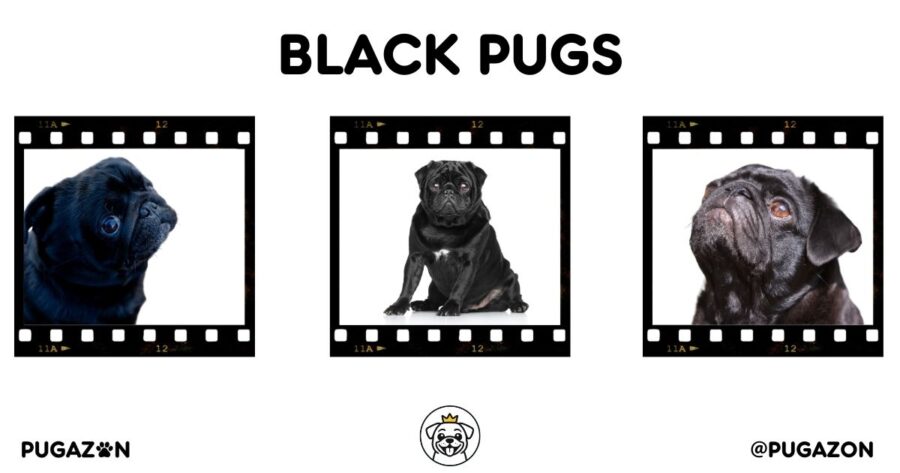
Introduction to Black Pugs:
Black pugs are striking, mysterious, and full of personality. Representing about 20–25% of the global pug population, these glossy-coated charmers share the same playful, affectionate traits as their fawn cousins while standing out with a sleek, jet-black look that turns heads everywhere they go.
Overview of the black pug breed:
The Black pugs breed may be less common than fawn pugs, but they’re every bit as lovable. With their shimmering black coats, bright, soulful eyes, and wrinkled faces that seem even more expressive against their dark fur, these pugs have a way of capturing attention instantly. Their origins trace back to the same royal breeding lines as fawn pugs, although historically, lighter coats were favored in ancient China. It wasn’t until pugs reached Europe that darker coats became more visible in breeding programs.
Today, black pugs remain a favorite among owners looking for a slightly rarer twist on the classic pug. Despite their different color, they have identical personalities to other pugs—loving, loyal, endlessly entertaining, and incredibly people-focused. They thrive on attention and are known to stick to their owners like glue, making them excellent companions for individuals and families alike.
Health needs are the same as all pugs: careful weight management, protection from heat, regular wrinkle cleaning, and gentle exercise are musts. Some owners report that black pugs shed slightly less visibly, but overall shedding is similar to other colors. Their dark coat does, however, absorb heat more quickly, so keeping them cool on sunny days is essential.
Black pugs have also gained a reputation as photogenic superstars, with many owners loving their dramatic, glossy look in pictures. Despite being the second most common pug color, they’re still outnumbered by fawn pugs, making them a unique choice for prospective owners.
🔗 For more detailed information on this breed, including history, temperament, and health tips, visit our full guide on Black Pugs.

Last update on 2025-02-12 / * Affiliate links / Image source: Amazon Product Advertising API
Silver Pugs – The Rare Showstoppers
Introduction to Silver Pugs:
Silver pugs are among the rarest recognized pug colors, with shimmering pale gray coats and a classic black mask. Highly sought after by enthusiasts, they share the same delightful pug personality but are less frequently seen in households worldwide, making them a unique addition to the pug family.
Overview of the silver pug breed:
Silver pugs are often mistaken for light fawn or aging pugs, but their distinctive silver-gray tone sets them apart. This color is thought to result from a genetic dilution of the fawn coat, creating a unique metallic sheen. While silver pugs have appeared sporadically in breeding lines for centuries, they remain incredibly rare, with some breed clubs estimating that fewer than 1% of pugs worldwide have this coat color.
Kennel clubs vary in how they classify silver pugs. Some list them under “fawn,” while others acknowledge their unique tone but do not officially separate them. Regardless of classification, silver pugs are adored for their eye-catching appearance. Like all pugs, they are affectionate, playful, and eager to be part of every family activity. Their rarity often makes them a conversation starter wherever they go.
Health, care, and grooming needs are the same as other pugs, although their pale coat may require extra sun protection and more frequent cleaning to avoid visible staining or discoloration. Because they are uncommon, silver pugs are sometimes advertised at inflated prices, making it important to work with reputable breeders who prioritize health over color rarity.
🔗 For more detailed information on this breed, including its origins, genetics, and care tips, visit our full guide on Silver Pugs.
Apricot Pugs – A Warm-Toned Wonder
Introduction to Apricot Pugs:
Apricot pugs stand out with their rich, warm-toned coats, falling within the official “fawn” category but glowing with a deeper, reddish hue. Less common than standard fawn, these pugs offer the same charming personality with a distinctive look loved by owners seeking something a little different.
Overview of the apricot pugs breed:
Apricot pugs are a natural variation of the fawn coat, displaying a deeper, golden-reddish tone that seems to glow in sunlight. While not classified as a separate color by most kennel clubs, they are considered rarer than typical fawn pugs and often attract attention for their striking looks.
Like all pugs, apricot-colored pups are affectionate, loyal, and known for their comedic antics. Their personality and temperament are no different from other pugs, making them a great choice for families, singles, or seniors looking for a loving companion. Their coat, while visually stunning, has the same grooming needs: regular brushing to manage shedding, wrinkle cleaning, and baths every few weeks.
Apricot pugs are sometimes marketed as a “special color,” but because they are genetically part of the fawn category, reputable breeders do not charge unreasonable premiums. As with any pug, ethical breeding and proper health checks are more important than coat shade when choosing your furry friend.
🔗 For more detailed information on this breed, including its history, genetics, and full care guide, visit our dedicated page on Apricot Pugs.
White & Albino Pugs – Unique but Controversial

Introduction to the white and albino pugs breed:
White or albino pugs are extremely rare and often misunderstood. True albino pugs are genetic anomalies that can face significant health challenges, while many “white pugs” sold online are actually mixed breeds or diluted fawns. This color variation is not officially recognized by major kennel clubs.
Overview of the white and albino pugs breed:
The fascination with white pugs is a recent phenomenon, largely fueled by online demand for “rare color” dogs. True albino pugs lack pigmentation, often displaying pale skin, pink noses, and blue or reddish eyes. This lack of pigment can lead to increased sun sensitivity, higher risks of skin cancer, and vision issues.
Most so-called “white pugs” on the market are not albino but are instead crossbreeds or extremely light fawn pugs bred for color dilution. Many kennel clubs and veterinary experts warn against breeding specifically for this color, as it can encourage unethical practices and health problems.
While undeniably eye-catching, white or albino pugs do not differ in personality from other pugs. They are affectionate, playful, and loving companions but may require extra sun protection and skin care due to their light coloring. Prospective owners should be cautious of inflated prices or breeders prioritizing rarity over health.
🔗 For more detailed information on this breed, including the ethics of breeding and care requirements, visit our full guide on White and Albino Pugs.
Brindle Pugs – The Rare Patterned Pug
Introduction to the Brindle Pugs Breed:
Brindle pugs are characterized by their unique tiger-striped coat patterns. This rare color is not officially recognized by kennel clubs and is widely believed to result from crossbreeding. While they may not meet breed standards, brindle pugs still share the lovable, comical personality that makes pugs a favorite companion dog.
Overview over the Bindle Pug Breed:
Brindle pugs are rare, distinctive, and sometimes controversial in the pug world. Their coat features streaked or striped markings that are atypical for purebred pugs. Most experts agree that brindle patterns result from crossbreeding with other small breeds carrying the brindle gene, making them non-standard under official pug registries.
Despite not meeting breed show standards, brindle pugs are just as affectionate, loyal, and funny as any pug. Their mixed heritage sometimes even contributes to slightly improved respiratory health compared to purebred pugs, though this is not guaranteed. Owners love them for their standout looks and classic pug charm.
When looking for a brindle pug, it’s crucial to work with responsible breeders or adopt from reputable rescues. Be wary of sellers advertising “purebred brindle pugs” at high prices, as this pattern does not naturally occur in the traditional pug lineage.
🔗 For more detailed information on this breed, including its origins and care tips, visit our full guide on Brindle Pugs.
Rare Color Variants – Myths vs. Reality

Introduction to rare pug breeds:
From chocolate to blue and merle, many so-called “rare color” pugs are not officially recognized and often come from crossbreeding or genetic experiments. While visually unique, these colors frequently come with health risks, ethical concerns, and inflated prices, making careful research essential before purchasing one.
Overview of rare pug breeds:
The internet is full of ads for “exotic color” pugs—chocolate, blue, lilac, merle, and more. The truth is that these colors are not part of the standard pug breed. They are typically the result of crossbreeding with other small breeds or genetic manipulation, often at the expense of the dog’s health.
Unusual colors may look appealing, but they can be linked to serious genetic problems, such as deafness, immune deficiencies, and skin conditions. Ethical breeders focus on health, temperament, and breed standards, not on producing colors that don’t naturally occur in purebred lines.
While these pugs can still be loving, wonderful pets, buyers should approach with caution. Adoption or purchasing from reputable breeders who conduct full health checks is the safest choice.
🔗 For more detailed information on rare and exotic pug colors, visit our dedicated guide on Rare Pug Colors.
Pug Mix Breeds – Exploring the Designer Hybrids
Pug mixes, also known as designer pug crossbreeds, combine the pug’s loving, comical personality with traits from other popular breeds, creating unique companions for different lifestyles. Some of the most well-known mixes include the Puggle (Pug Beagle Mix), Chug (Pug Chihuahua Mix), Frug (Pug French Bulldog Mix), Jug (Pug Jack Russell Mix), Daug (Pug Dachshund Mix), and the charming Shih-Pug (Pug Shih Tzu Mix). Each mix offers a different blend of size, coat type, temperament, and exercise needs, making it essential to research carefully before choosing one.
If you’re considering a pug mix puppy, ensure you work with a reputable breeder or explore adoption options through reliable sources like Pugs for Sale. There you’ll find expert advice, breeder listings, and adoption resources to help you make an informed, ethical choice
Puggle (Pug x Beagle)

Intro to Puggle Dogs
The Puggle is one of the most popular designer pug mixes, combining the charming personality of a pug with the energy and curiosity of a beagle. These adorable hybrids are known for their playfulness, intelligence, and slightly longer snouts, which can sometimes mean fewer breathing problems than purebred pugs.
Overview of the Puggle Breed
Puggles have captured the hearts of many dog lovers thanks to their delightful blend of traits. They typically inherit the friendly, affectionate nature of pugs and the high energy levels and curiosity of beagles, making them ideal for active families or individuals who enjoy long walks and outdoor play.
Physically, Puggles often have a longer muzzle than pugs, which can reduce the risk of respiratory issues common in brachycephalic breeds. Their coats are short, smooth, and easy to care for, usually coming in shades of tan, fawn, or black with occasional beagle-like markings. Shedding is moderate, requiring regular brushing to manage.
Temperament-wise, Puggles are highly social dogs who love human interaction and can be good with children and other pets. However, they can inherit a stubborn streak from either parent, making early training and socialization essential. Positive reinforcement works best, along with patience and consistency.
Health risks are generally similar to both parent breeds, including potential hip issues, allergies, and weight gain if overfed. Regular vet visits, a balanced diet, and plenty of exercise are key to keeping a Puggle healthy and happy.
🔗 For a more detailed guide on this mix, including temperament breakdown, training tips, and health insights, visit our full Puggle Guide.
Chug (Pug x Chihuahua)
Introduction to Chugs:
The Chug is a compact, lively mix between a pug and a chihuahua. Combining the pug’s affectionate nature with the chihuahua’s sass and alertness, this pint-sized hybrid is bursting with personality, making it a favorite among owners looking for a small yet spirited companion.
Overview of the Chug Breed:
Overview of the Chug Breed:
Chugs are known for their big personalities packed into tiny frames. They usually inherit the pug’s sociable, loving demeanor, along with the chihuahua’s confidence and occasional feistiness. This makes them charming, fun, and sometimes a little bossy—perfect for owners who appreciate a small dog with a big attitude.
Physically, Chugs are small, weighing between 8–15 pounds, with features that vary widely depending on which parent they favor. Some have shorter muzzles like pugs, while others have longer, slimmer snouts. Coats are typically short, smooth, and come in colors ranging from fawn to black or mixed patterns.
These hybrids are highly adaptable, fitting well in apartments or houses. However, they can be vocal watchdogs thanks to their chihuahua heritage. Socialization and training from a young age help curb excessive barking and stubborn behavior.
Health concerns include potential breathing problems, dental issues (common in small breeds), and knee or joint issues. Regular exercise, a quality diet, and mental stimulation keep Chugs happy and well-behaved.
🔗 For full details on this mix, including grooming, training, and health advice, check out our Chug Guide.
Frug (Pug x French Bulldog Mix)
Introduction to the Frug :
The Frug dog, a cross between a pug and a French Bulldog, combines the best of two lovable companion breeds. Known for their compact size, playful energy, and affectionate nature, pug French Bulldog mixes thrive in family homes, bringing a lively personality and endless cuddles to everyday life.
Overview of the Frug Breed:
The Frug is a hybrid that merges the pug’s charming, loyal temperament with the French Bulldog’s stocky build, intelligence, and fun-loving personality. This combination creates a sociable, sturdy, and affectionate companion perfect for small living spaces and city life.
Frugs typically weigh 15–25 pounds and feature a muscular, compact frame with short legs and a distinctive curly tail. Their facial structure varies—some inherit the pug’s rounded features, while others have the French Bulldog’s broader head and slightly longer muzzle. Coat colors range from fawn and black to brindle, cream, or mixed patterns, with low-to-moderate shedding that’s easy to manage with weekly brushing.
These pug French Bulldog mixes are renowned for their playful yet easygoing nature, making them excellent pets for families, singles, or seniors. They require moderate exercise, usually two short walks a day and indoor play sessions, as both parent breeds are prone to overheating and don’t tolerate excessive activity in hot weather.
Training a Frug is usually straightforward thanks to their intelligence and eagerness to please, though some can be stubborn. Early socialization and positive reinforcement ensure a well-mannered, confident dog. Health concerns may include breathing difficulties, joint issues, and eye sensitivities, common in both parent breeds, making careful breeding and ongoing vet care essential.
🔗 For more details on this affectionate hybrid, including complete care, training tips, and adoption guidance, visit our Frug Dog Guide (link placeholder to be updated when live).
Jug (Pug x Jack Russell Mix)
Introduction to the Jug
The Jug dog, a cross between a pug and a Jack Russell Terrier, is a small, energetic, and affectionate companion. Known for its playful spirit, intelligence, and unwavering loyalty, the pug Jack Russell mix is perfect for active families seeking a lively yet loving four-legged friend.
Overview of the Jug Breed:
The Jug combines the pug’s affectionate, humorous personality with the Jack Russell’s boundless energy, cleverness, and hunting instincts. This hybrid produces a small, muscular dog that’s full of life and loves being the center of attention.
Typically weighing 12–18 pounds, Jugs have a sturdy, compact frame, expressive dark eyes, and a slightly longer muzzle than purebred pugs, often reducing breathing difficulties. Coat types vary from short and smooth to slightly rough, with common colors including fawn, black, tan, or mixed patches. Shedding is moderate, with low grooming needs compared to longer-haired breeds.
Known for their high intelligence and energy levels, Jugs thrive in homes where they receive daily walks, structured playtime, and mental stimulation. They’re curious, brave, and sometimes mischievous, requiring consistent training and early socialization to channel their lively nature positively. With proper guidance, they are great with children and other pets, though their terrier prey drive may make them prone to chasing small animals.
Health concerns can include joint issues, eye problems, and potential respiratory sensitivities from their pug lineage, so regular vet checkups and weight control are essential. Jugs are best suited for active owners who can provide exercise, mental challenges, and plenty of companionship.
🔗 For more details on this energetic hybrid, including training tips, exercise routines, and buying guidance, visit our Jug Dog Guide (link placeholder to be updated when live).
Chug (Pug x Chihuahua)
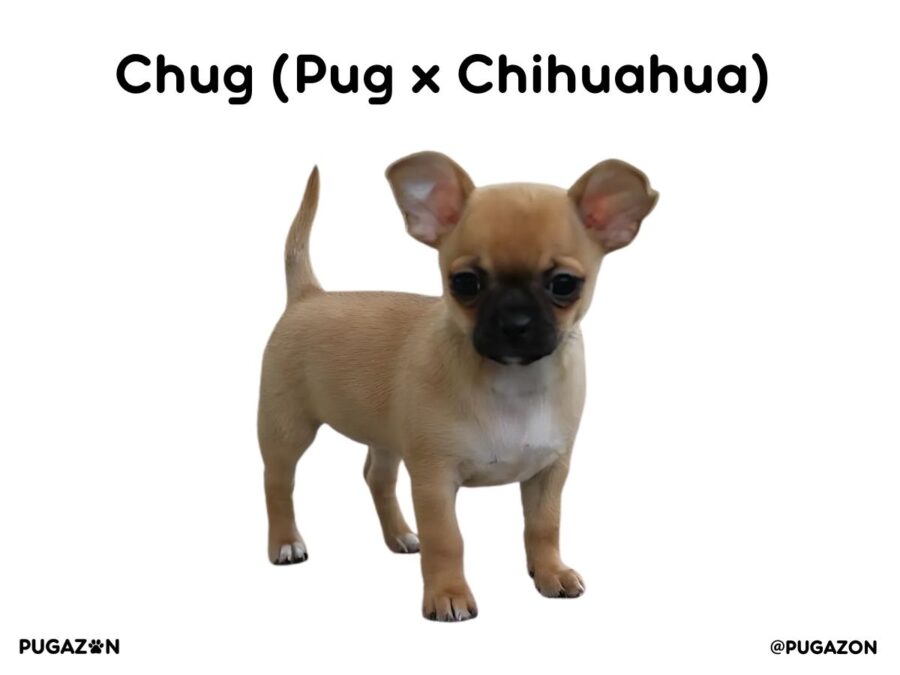
IntroduCtion to Chugs:
The Chug is a compact, lively mix between a pug and a chihuahua. Combining the pug’s affectionate nature with the chihuahua’s sass and alertness, this pint-sized hybrid is bursting with personality, making it a favorite among owners looking for a small yet spirited companion.
Overview of the Chug Breed:
Overview of the Chug Breed:
Chugs are known for their big personalities packed into tiny frames. They usually inherit the pug’s sociable, loving demeanor, along with the chihuahua’s confidence and occasional feistiness. This makes them charming, fun, and sometimes a little bossy—perfect for owners who appreciate a small dog with a big attitude.
Physically, Chugs are small, weighing between 8–15 pounds, with features that vary widely depending on which parent they favor. Some have shorter muzzles like pugs, while others have longer, slimmer snouts. Coats are typically short, smooth, and come in colors ranging from fawn to black or mixed patterns.
These hybrids are highly adaptable, fitting well in apartments or houses. However, they can be vocal watchdogs thanks to their chihuahua heritage. Socialization and training from a young age help curb excessive barking and stubborn behavior.
Health concerns include potential breathing problems, dental issues (common in small breeds), and knee or joint issues. Regular exercise, a quality diet, and mental stimulation keep Chugs happy and well-behaved.
🔗 For full details on this mix, including grooming, training, and health advice, check out our Chug Guide.
Daug (Pug x Dachshund Mix)

Introduction to the Daug:
The Daug dog, a crossbreed between a pug and a Dachshund, is a small, affectionate companion with a lively personality. Known for their loyal nature, playful spirit, and distinctive long body, pug dachshund mixes make devoted family pets who enjoy cuddles as much as their daily adventures.
Overview of the Daug Breed:
The Daug combines the pug’s charming, loving temperament with the Dachshund’s bold, curious, and sometimes mischievous character. This mix is ideal for owners who enjoy a dog with personality and energy packed into a compact frame.
Daugs typically weigh 15–25 pounds, inheriting the long, low-slung body of the Dachshund and the round face and curled tail of the pug. Their coat is usually short and smooth, with colors ranging from fawn and black to tan, brown, or mixed patterns. Moderate shedding and minimal grooming needs make them relatively low maintenance.
Known for their affectionate nature, Daugs thrive on attention and love being part of family activities. They have a playful streak and can be stubborn at times, requiring patient, positive training. Early socialization helps manage their Dachshund prey drive, making them good companions for homes with children and other pets.
Health concerns can include joint issues (due to their elongated spine), breathing sensitivities from the pug side, and potential eye problems. Owners should avoid excessive jumping or climbing to protect their backs and maintain a healthy weight to reduce stress on their joints.
🔗 For more details on this spirited hybrid, including health advice, care tips, and adoption resources, visit our Daug Dog Guide (link placeholder to be updated when live).
Shih-Pug (Pug x Shih Tzu Mix)
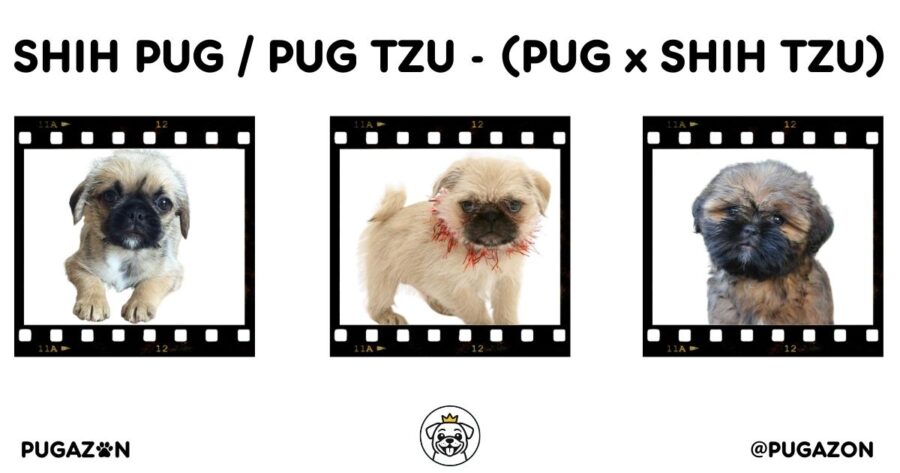
Introduction to the Shih Pug:
The Shih-Pug, or pug Shih Tzu mix, is a small, affectionate hybrid known for its sweet nature, silky coat, and playful personality. Ideal for families and apartment living, this crossbreed brings together the pug’s charm and the Shih Tzu’s loving temperament in one delightful package.
Overview of the Shih-Pug Breed:
The Shih-Pug typically weighs 10–20 pounds and has a soft, medium-length coat that sheds lightly compared to other mixes. They are friendly, sociable, and highly devoted to their owners, making them perfect lapdogs. Regular brushing keeps their coat healthy, and daily walks combined with indoor play are enough to meet their exercise needs.
These hybrids are known for being intelligent, affectionate, and good with children, though early socialization is essential to avoid small-dog bossiness. Common health considerations include potential breathing sensitivities and eye issues inherited from their pug lineage, as well as dental care needs.
🔗 For more details on this lovable hybrid, including grooming tips, temperament insights, and ethical adoption options, visit our Shih-Pug Guide or explore Pugs for Sale for trusted breeder and adoption resources.
Pugalier (Pug x Cavalier King Charles Spaniel)
Introduction:
The Pugalier is a hybrid cross between a pug and a Cavalier King Charles Spaniel, combining the pug’s clownish charm with the Cavalier’s gentle, affectionate nature. These small, family-oriented dogs are low-shedding, adaptable, and adored for their loving personalities, making them one of the most sought-after pug mixes worldwide.
Overview of the Pugalier Breed:
The Pugalier has soared in popularity, thanks to its friendly disposition, manageable size, and versatility as a companion dog. Weighing 10–20 pounds, this pug mix inherits the pug’s compact, sturdy build and the Cavalier’s soft, silky coat. Their face often blends both breeds’ features—slightly elongated muzzle for easier breathing, round expressive eyes, and floppy ears that add to their irresistible charm.
Known for their gentle and patient temperament, Pugaliers are affectionate lapdogs who love family life and get along well with children, seniors, and other pets. They are intelligent, eager to please, and respond well to positive reinforcement training. Daily walks combined with indoor play sessions are enough to meet their exercise needs, making them excellent apartment companions as well as family pets with small backyards.
Grooming requirements are moderate, depending on coat length. Most Pugaliers need brushing two to three times a week, with occasional professional grooming if they inherit longer Cavalier-like fur. They’re considered lower-shedding than many other pug mixes, making them appealing for households seeking a tidier breed (though they are not hypoallergenic).
Health considerations include pug-related breathing sensitivities, potential eye issues, and genetic heart conditionssometimes found in Cavalier lines. Choosing reputable breeders who screen both parent breeds is vital. A balanced diet, regular vet checkups, and careful weight management help maintain a long, healthy life of 12–15 years.
🔗 For more details on this affectionate mix, including care tips, training advice, and buying or adoption guidance, visit our Pugalier Guide or explore Pugs for Sale for trusted breeder and adoption resources.
Pom-A-Pug (Pug x Pomeranian)
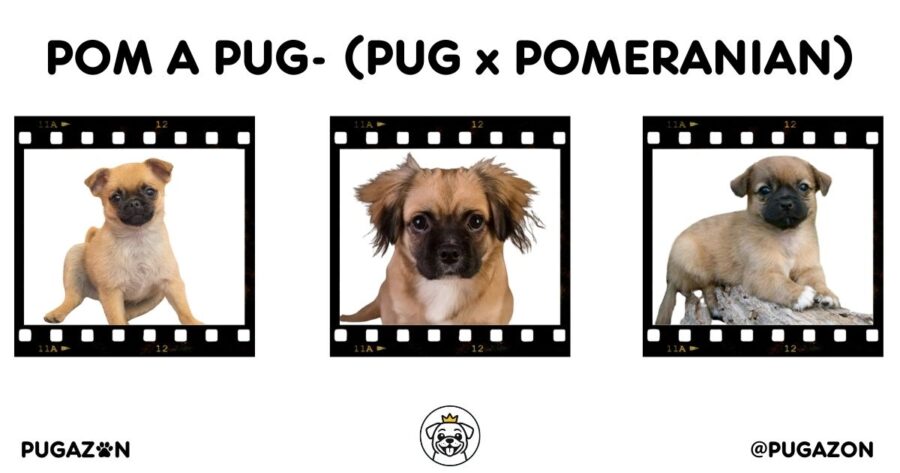
Introduction to the Pom a Pug:
The Pom-A-Pug is a small, fluffy ball of energy that merges the loving personality of a pug with the lively, feisty spirit of a Pomeranian. Known for their playful antics and cuddly nature, they make excellent companions for owners who want a fun, social little dog.
Overview of ther Pom a Pug Breed:
Pom-A-Pugs are typically small, weighing around 7–14 pounds, with a combination of the pug’s round face and the Pomeranian’s fluffy coat. Their fur may be short or medium-length, requiring regular brushing to manage shedding and avoid tangles. Their expressive eyes and curled tail give them a distinctly cute, toy-like appearance.
Personality-wise, Pom-A-Pugs are affectionate, alert, and full of energy, thriving in homes where they get plenty of attention and playtime. They’re great with children and make excellent watchdogs despite their small size, often alerting owners to strangers or unfamiliar noises.
Training can be easy with consistency and positive reinforcement, though some Pom-A-Pugs can be strong-willed. Socialization is essential to prevent excessive barking or nervousness around new people or animals.
Health considerations include potential dental issues, breathing problems, and luxating patellas (knee problems) common to small breeds. Regular vet care, proper nutrition, and weight management are crucial to keeping this hybrid happy and healthy.
🔗 For more details on this playful hybrid, including care and training tips, visit our Pom-A-Pug Guide (link placeholder to be updated when live).
Pugapoo (Pug x Poodle)
Introduction to Pugapoo:
The Pugapoo is a hybrid mix between a pug and a poodle, combining the playful charm of a pug with the intelligence and hypoallergenic coat of a poodle. Loved for their adaptability and affectionate nature, Pugapoos are a popular choice among owners seeking a low-shedding pug mix.
Overview of the Pugapoo Breed:
Pugapoos blend the fun-loving personality of a pug with the high intelligence and potential low-shedding coat of a poodle, creating a family-friendly hybrid that’s both affectionate and trainable. Depending on the size of the poodle parent (toy or miniature), Pugapoos typically weigh between 10–20 pounds, making them ideal for apartment living or smaller homes.
Their appearance varies widely, with some puppies leaning toward pug-like features (short muzzle, curled tail) while others inherit a more slender face and curly coat from their poodle side. Many owners choose Pugapoos for their reduced shedding, though this isn’t guaranteed, as coat type depends on genetics.
Pugapoos are generally intelligent, eager to please, and easy to train, thanks to their poodle heritage. They enjoy mental stimulation, puzzle toys, and consistent positive reinforcement training. They are affectionate, loyal, and thrive in homes where they receive plenty of attention.
Health risks include respiratory issues if they inherit a shorter muzzle, as well as potential eye problems, hip dysplasia, or dental concerns. Regular grooming is essential for those with curly coats to prevent matting.
🔗 For a full, detailed guide on this hybrid’s temperament, health, and grooming needs, visit our Pugapoo Guide(link placeholder to be updated when live).
Porgi (Pug x Corgi)
Introduction to the Porgi
The Porgi combines the affectionate, comical nature of a pug with the bold, intelligent personality of a corgi. Known for their long bodies, expressive faces, and playful energy, Porgis are adorable companions who love to stay active and entertain their families.
Overview of the Porgi Breed:
Porgis inherit a blend of traits from two beloved breeds: the pug’s loyalty and humor, and the corgi’s intelligence, energy, and herding instincts. They typically weigh 15–25 pounds, sporting a longer, stockier body like a corgi, with the signature curled pug tail and large, bright eyes.
These hybrids are friendly, social, and great with children, making them a wonderful addition to active households. They require daily walks and plenty of playtime to keep them stimulated, as corgis are naturally energetic and intelligent dogs. Without sufficient exercise, Porgis can become bored and mischievous.
Coats are usually short to medium-length, with moderate shedding requiring weekly brushing. Color variations range from fawn and black to classic corgi patterns with white markings.
Training a Porgi is typically enjoyable—they respond well to positive reinforcement but can inherit a stubborn streak from both parents. Early obedience training and socialization are recommended to ensure a well-behaved adult dog.
Potential health concerns include joint issues (hip or elbow dysplasia) from the corgi lineage, along with typical pug-related respiratory or eye issues. Maintaining a healthy weight and avoiding activities that strain the back are important for long-term health.
🔗 For more details on this playful hybrid, including care, exercise, and training tips, visit our Porgi Guide (link placeholder to be updated when live).
Pugador (Pug x Labrador Mix)

Introduction to the Pugador :
The Pugador dog blends the pug’s loyal, affectionate personality with the Labrador Retriever’s intelligence, friendliness, and high energy. Known for their playful nature, athletic build, and strong family bonds, Pugadors make great companions for active households that can meet their exercise and attention needs.
Overview of the Pugador Breed:
Pugadors inherit traits from two very different but equally beloved breeds. They often combine the pug’s small-to-medium frame and endearing expressions with the Labrador’s athletic build and lively temperament. Adult Pugadors typically weigh between 25–50 pounds, depending on which parent’s genes dominate, and they may have a slightly longer muzzle than purebred pugs, improving breathing ability.
These hybrids are friendly, outgoing, and highly social, often thriving in family environments where they receive plenty of companionship and activity. Their high energy levels (courtesy of the Labrador side) mean they need daily exercisesuch as brisk walks, fetch sessions, or even light agility activities to stay healthy and avoid boredom-driven mischief.
Pugador coats are usually short and dense, with shedding levels similar to Labradors, requiring weekly brushing to manage hair and keep their skin healthy. Color patterns vary widely, including fawn, black, chocolate, or a mix of typical Labrador shades.
Training a Pugador is usually straightforward due to their intelligence and eagerness to please, though some may inherit a pug’s occasional stubborn streak. Positive reinforcement and consistency yield the best results, making them well-suited for families new to dog training.
Potential health concerns for Pugadors include joint problems (hip or elbow dysplasia) common in Labradors, along with respiratory or eye issues from the pug lineage. Owners should maintain a healthy diet, control weight gain, and avoid overexertion during hot weather to reduce breathing stress.
🔗 For more details on this affectionate and active pug-lab mix, including full care, exercise, and training guidance, visit our Pugador Dog Guide (link placeholder to be updated when live).
Puginese (Pug x Pekingese Mix)

Introduction to the Puginese:
The Puginese dog combines the pug’s affectionate, fun-loving charm with the Pekingese’s loyal, regal personality. This pug pekingese mix is small, expressive, and happiest when close to its family. Known for its loving temperament and compact size, the Puginese makes an excellent companion for city and apartment living.
Overview of the Puginese Breed:
The Puginese is a hybrid between two long-standing toy breeds: the pug and the Pekingese. This mix often results in a devoted companion that thrives on human attention and enjoys a calm, comfortable lifestyle. Physically, Pugineses may inherit the pug’s round face, curled tail, and playful energy, or lean towards the Pekingese’s long coat, alert expression, and independent streak.
Most Puginese dogs weigh between 8–15 pounds, with low-to-moderate exercise needs suited to families who prefer gentle daily walks and plenty of indoor cuddle time. Their coats vary from short and sleek to longer, fluffy layers that need regular brushing to avoid tangles. Because of their small size and potential for brachycephalic breathing issues, owners should avoid overexertion and hot weather.
Health concerns can include typical pug-related eye and respiratory sensitivities, combined with possible orthopedic or skin issues common in Pekingese dogs. With routine vet care, a balanced diet, and proper grooming, the Puginese can be a loving, loyal, and healthy companion for many years.
🔗 For more details on this affectionate and active pug-lab mix, including full care, exercise, and training guidance, visit our Pugador Dog Guide (link placeholder to be updated when live).
Show-Type Pug Breeds vs. Retro Pugs – Which is Right for You?
Introduction to Show Type Pugs vs Retro Pugs:
Show-type pugs are bred to conform to strict kennel club standards, often with flatter faces and more exaggerated features. Retro pugs, on the other hand, are selectively bred for longer muzzles and better breathing. Both types share classic pug charm, but their appearance and health differences set them apart.
Overview of the Show Type Pug vs Retro Pug Breeds
Pugs have evolved over centuries, with modern breeding splitting into two main types: show pugs and retro pugs. Show pugs dominate competitions and meet official breed standards set by organizations like the AKC. These standards favor shorter muzzles, prominent eyes, and compact builds, which many find irresistibly cute. Unfortunately, this same conformation can lead to brachycephalic airway syndrome, increasing the risk of breathing difficulties, overheating, and exercise intolerance.
Retro pugs emerged from a growing movement focused on health-first breeding. By introducing genetics from small, longer-muzzled breeds before breeding back toward pug traits, retro pugs retain the classic pug look while gaining better airflow, improved stamina, and fewer respiratory problems. They’re not officially recognized by all kennel clubs but are becoming increasingly popular with owners prioritizing welfare over show aesthetics.
Both types share the same loving, comical personality, making either an excellent companion. Care, diet, and grooming are nearly identical, but potential owners should consider long-term health and ethical breeding practices before deciding which type is right for them.
🔗 For a full, detailed comparison, visit our Retro vs. Show Pugs Guide.
Most kennel clubs, including the AKC, recognize fawn and black as the two official pug coat colors. Other variations, like apricot or silver, are often classified under fawn, while colors such as white, brindle, and “exotic” shades are not recognized as purebred standards.
Silver pugs are among the rarest recognized coat variations, making up less than 1% of the global pug population. White, albino, and “exotic” colors like blue or chocolate are even less common but usually result from crossbreeding or genetic manipulation.
No. Pug personality is not determined by coat color. Whether fawn, black, silver, or a mix, all pugs share similar traits: affectionate, playful, loyal, and eager to bond with their humans.
True albino pugs are genetic anomalies, not officially recognized. Many so-called “white pugs” are actually light fawns or crossbreeds. Always verify parentage and request pedigree certificates from breeders to avoid scams.
Brindle pugs have striped or patterned coats usually linked to crossbreeding with brindle-carrying breeds. This color pattern is not part of the official pug lineage and is not recognized in breed standards.
Some breeders inflate prices for “rare color” pugs, but reputable breeders focus on health, not color. The cost of a healthy, well-bred pug should not be determined by coat rarity alone.
Retro pugs are bred with longer snouts for improved breathing. While not officially recognized, they’re popular among owners seeking fewer health issues associated with traditional flat-faced show pugs.
Show pugs have flatter faces and meet strict kennel club standards, often leading to increased respiratory problems. Retro pugs prioritize functionality and welfare, offering better breathing and stamina while retaining pug charm.
Crossbreeding can reduce certain inherited issues (a phenomenon called hybrid vigor), but this is not guaranteed. Breathing problems may persist if the pug parent passes on brachycephalic traits.
A Puggle is a pug-beagle mix, known for its playful, intelligent, and social nature. Many Puggles inherit longer muzzles, which can reduce breathing issues compared to purebred pugs.
Pugapoos (pug x poodle) can inherit the poodle’s low-shedding coat, making them potentially more hypoallergenic than purebred pugs. However, this is not guaranteed, as coat type varies across litters.
A Porgi is a pug-corgi mix, typically long-bodied and playful, with high energy levels inherited from the corgi parent. They’re great for active families and thrive with plenty of daily exercise.
All pugs and most mixes are gentle and affectionate, making them ideal for families. Puggles and Frugs (pug x French Bulldog) are popular for active households, while fawn and black pugs are classic, dependable choices.
With proper care, pugs typically live 12–15 years. Retro pugs may have slightly better longevity due to improved breathing, while obesity and breathing issues can shorten lifespan if not managed.
Some mixes inherit the intelligence and trainability of their non-pug parent (e.g., Pugapoo from poodles, Jug from Jack Russells), making training easier. Pure pugs can be stubborn but respond well to positive reinforcement.
🔗 For a broader Q&A on pug health, diet, and training, see our FAQS PAGE .