
Last updated on February 12th, 2026
- Intro
- History & Origins of the Black Pug Breed
- Recognition & Breed Standard for Black Pugs
- Official Recognition
- Coat Genetics and Breed Lineage
- Show Standards for Black Pugs
- Distinction From Fawn Pugs
- Breeding Considerations
- Key Points for Buyers
- Physical Traits of Black Pugs
- Unique Appearance of Black Pugs
- Coat Color and Texture
- Shedding and Visibility
- Size and Build
- Wrinkles and Facial Features
- Heat Absorption and Temperature Sensitivity
- Pigmentation of Nails, Nose, and Eyes
- Key Takeaways for Owners
- Temperament & Personality of Black Pugs
- Observed Behavioral Traits
- Socialization and Adaptability
- Trainability
- Emotional Sensitivity
- Summary of Temperament
- Health, Risks & Longevity of Black Pugs
- Overall Health Profile of the Black Pug Breed
- Heat Sensitivity
- Skin and Coat Conditions
- Genetic Considerations
- Common Conditions
- Average Lifespan
- Preventive Health Tips for Black Pugs
- Key Takeaways
- Care, Diet & Grooming for Black Pugs
- Ethical & Legal Considerations in Buying or Adopting Black Pugs
- Fun Facts & Trivia About Black Pugs
- Once Considered Rare in Europe
- Gloss Factor
- Easier Heat Spots
- Fewer Visible Stains
- Popular in Modern Media
- Adopting or Buying a Black Pug
- FAQs About Black Pugs
- Are black pugs purebred?
- Are black pugs rare?
- Do black pugs have different personalities?
- Do black pugs shed less than fawn pugs?
- . Are black pugs more heat-sensitive?
- How much does a black pug puppy cost?
- Are white patches on black pugs normal?
- What’s the lifespan of a black pug?
- How can I ensure I’m buying from a reputable breeder?
- Can I adopt a black pug?
Intro
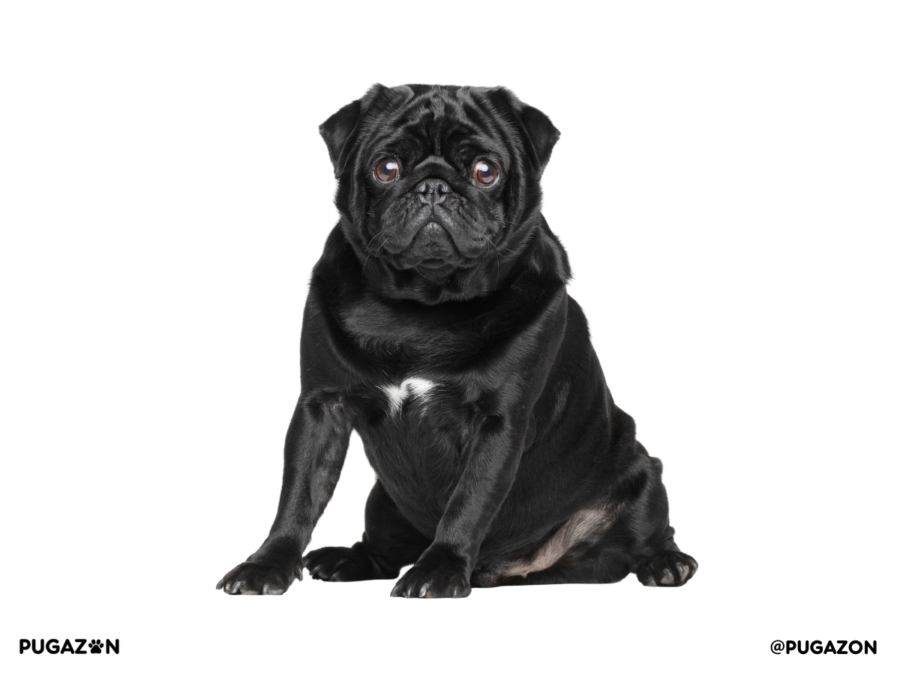
Black pugs may not be as common as their fawn-coated cousins, but they are equally adored for their charm, loyalty, and distinctive jet-black coats. These dogs stand out with their glossy fur, mischievous expressions, and lovable personalities that have captivated pug enthusiasts worldwide. Once considered a rarity outside of certain breeding lines, black pugs are now gaining recognition as a stylish, elegant variation of the breed.
Despite their growing popularity, there are still many misconceptions about black pugs, from their origins to whether they’re more prone to certain health issues or harder to find than other colors. This guide provides a complete, factual, and detailed look at black pugs, covering their history, recognition by kennel clubs, physical traits, temperament, unique health considerations, care needs, and buying/adoption advice. We’ll also answer real search questions about cost, availability, shedding patterns, and more.
If you’re thinking about adding a black pug puppy to your family or simply want to learn everything about this striking color variant, this page is your one-stop resource. Throughout this guide, you’ll also find links to:
- Ethical breeders and adoption options (via our upcoming Pugs for Sale).
- Live Pugazon posts on pug health care, grooming essentials, and training tips.
History & Origins of the Black Pug Breed

Early Roots in China
All pugs trace their ancestry to imperial China, where small flat-faced dogs known as “Lo-Sze” were bred over 2,000 years ago as companions for royalty. While fawn coats were the preferred choice in early dynasties, black-coated pugs were occasionally present but less common in the earliest breeding programs. Ancient scrolls and artwork mostly depicted pale-coated dogs, but some references describe darker-colored companions kept by certain Chinese nobles, possibly as unique or prized variations.
Arrival in Europe
Pugs made their way to Europe via Dutch traders in the 16th century, where fawn pugs dominated royal courts. Black pugs remained rare and unrecognized for centuries, often appearing as recessive genes in fawn lineages. Some historians believe that early black pugs were selectively bred from litters with darker coats, gradually forming more stable black lines.
Victorian Era Popularity
The first major surge in the black pug popularity occurred in 19th-century England, particularly during the Victorian era. Breeders began emphasizing darker coats, and Queen Victoria herself reportedly owned multiple pugs, some with darker fawn or near-black coats, sparking interest in this variant. However, it wasn’t until the late 19th century that fully black pugs became a recognized color in breeding programs.
Modern Recognition
Today, the black pug breed are officially recognized by all major kennel clubs worldwide, including:
- American Kennel Club (AKC): Black is one of the two accepted colors (alongside fawn).
- The Kennel Club (UK) and Pug Dog Club of America (PDCA): Black pugs meet the same standards as fawns, differing only in coat color.
Despite being less common than fawn, pugs with black coats now represent a steady minority in registered litters, making them sought-after for their rarity and striking appearance.
Key Historical Note
Unlike fawn pugs, black pugs were never the dominant coat color historically, making their rise to popularity a relatively modern phenomenon. Their presence is now firmly established, offering a sleek, bold alternative for pug enthusiasts while retaining all the classic pug traits that make the breed beloved.
Recognition & Breed Standard for Black Pugs
Official Recognition
Fawn is one of only two officially recognized pug colors globally, the other being black. The American Kennel Club (AKC), The Kennel Club (UK), and Pug Dog Club of America (PDCA) all classify fawn as a standard color for the breed. This categorization encompasses a range of shades, from pale cream to warm apricot or even silver-tinted tones, but all fall under the same “fawn” umbrella.
Official standards emphasize that a fawn pug must have:
- A clear, even coat color, free of blotches or uneven patches.
- Distinct black markings, including a black muzzle (mask), black ears, and black thumb marks or a dark “trace” line along the spine (though the trace isn’t mandatory).
- A short, glossy, smooth coat that lies close to the body.
Any deviation from these markings or excessive lightening/dilution (e.g., washed-out mask or pink nose) is considered undesirable in the show ring, though it does not affect the dog’s companionship or health.
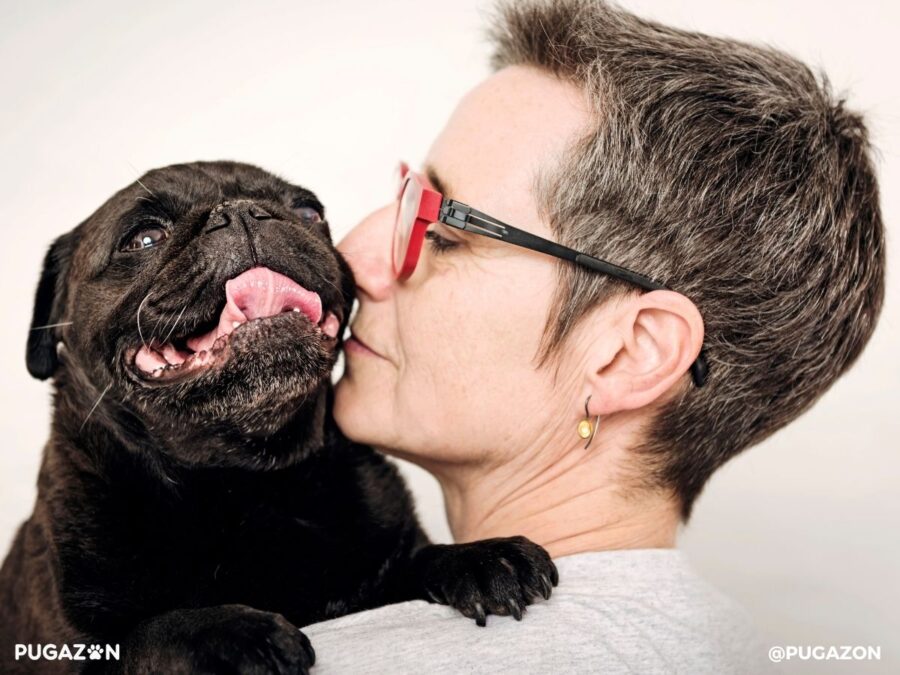
Black pugs are one of only two officially recognized coat colors for purebred pugs worldwide, the other being fawn. Major organizations including the American Kennel Club (AKC), The Kennel Club (UK), and the Pug Dog Club of America (PDCA) list black as a standard color, meaning these dogs are fully eligible for show competitions and breeding programs.
Kennel clubs define a black pug as having:
- Solid jet-black coat, even in tone across the entire body.
- Short, smooth, glossy fur with no patches or uneven coloring.
- Dark facial features, black nails, and ideally a dark nose and paw pads to match.
- No white markings, though very small patches on the chest may be tolerated in some clubs but are considered less desirable for show dogs.
Coat Genetics and Breed Lineage
Black coats in pugs are the result of a dominant gene, meaning that when one parent carries the black coat gene, there’s a strong chance it will pass to offspring. However:
- Two fawn parents can occasionally produce black puppies if they both carry the recessive black gene.
- Breeders often maintain specific black pug lines to ensure rich pigmentation and avoid dilution that leads to faded or brownish tones.
- Some early breeding programs introduced other short-muzzled breeds to stabilize black coloring, but modern black pugs are fully purebred and meet all official standards.
Show Standards for Black Pugs
In the show ring, a black pug is evaluated on the same structural and temperament criteria as fawns, but coat appearance is judged closely:
- Consistency: The coat must be evenly black with no scattered white or brown hairs.
- Glossiness: Healthy black coats have a distinct shine, often described as “lacquered.”
- Texture: Should be smooth, soft, and close to the body.
- Proportions: Square, muscular frame with a curled tail, similar to all pugs.
Dogs with white patches, faded pigmentation, or thin coats may be penalized in competition, but they remain wonderful companions even if they don’t meet show-quality standards.
Distinction From Fawn Pugs
While structure and personality remain largely the same:
- Black pugs lack the contrasting black mask and trace line that defines fawn pugs, as their entire coat is uniformly dark.
- Their features blend more subtly, sometimes making wrinkles and expressions less defined in photos compared to light-colored pugs.
- Black coats can appear brownish or sun-bleached if not well cared for or if genetics are weak, something fawn coats do not show as visibly.
Breeding Considerations
Ethical breeders focus on:
- Strong pigmentation: Avoiding dilution or “rusty” tones that indicate poor genetics.
- Health over color: Ensuring no overbreeding just to meet the high demand for black puppies.
- Proper documentation: Providing AKC or kennel club registration for black-coated litters.
Because black pugs are less common than fawns, some sellers label them as “rare” to inflate prices. While black is less frequently bred, it is not a rare or exotic color, and legitimate breeders will not charge unreasonably based solely on coat color.
Key Points for Buyers
- Confirm puppies are registered as purebred black pugs with verifiable lineage.
- Avoid paying premiums for “rare” black coats without official documentation.
- Prioritize breeders who emphasize health, temperament, and correct pug structure alongside coat color.
Physical Traits of Black Pugs

Unique Appearance of Black Pugs
Black pugs stand out instantly with their sleek, glossy coats and deep, soulful eyes. While they share the same general structure as other pugs, their coloring creates a very different impression. Many owners describe black pugs as having a more dramatic and striking look compared to the lighter-colored fawn variety.
Coat Color and Texture
The coat of a black pug is typically a deep, solid black. High-quality breeding ensures a uniform tone without patches of white or brown. In sunlight, some black pugs may show a slight reddish tint, especially if their genetics are not fully dominant black or if the coat has been sun-bleached over time.
Their fur is short, smooth, and soft, lying flat against the body. A healthy black coat should have a natural sheen, appearing almost glossy under light. This shine is often more noticeable on black pugs than on lighter-coated pugs, making regular grooming an important part of maintaining their striking appearance.
Shedding and Visibility
All pugs shed heavily, but black pugs have one slight advantage: their hair is less visible on dark furniture or clothing compared to fawn pugs. However, black hair shows up easily on lighter fabrics, meaning owners with white or light-colored furniture may still notice fur accumulation quickly.
Consistent brushing helps manage shedding and maintains the natural shine that makes the black coat so attractive. Diet also plays a role—nutrients like omega fatty acids keep black fur looking rich and healthy.
Size and Build
The Black pug breed conform to the same standard size as all pugs, but some breeders report that black pug lines historically ran slightly smaller than fawn ones. Modern breeding has evened this out, and today, black pugs generally fall within the following ranges:
- Height: 10–13 inches (25–33 cm) at the shoulder
- Weight: 14–18 pounds (6.3–8.1 kg) for both males and females
- Body: Square, muscular build with a broad chest and strong legs
- Tail: High-set, curled over the hip, ideally double curled for show dogs
While the overall structure matches that of all pugs, some owners say black pugs appear more compact due to the solid dark coat, which can make body contours less pronounced compared to fawn dogs.
Wrinkles and Facial Features
The characteristic pug wrinkles are present in the black pug breed, but their dark coloring can make them less visible compared to lighter coats where wrinkles create stronger contrast. Photographers often note that expressions and wrinkle detail are harder to capture in pictures of a black pug, though they are just as pronounced in person.
Like all pugs, wrinkles need daily cleaning to prevent irritation or infection. While staining isn’t as visible on a black coat, good hygiene is still essential to keep the skin healthy.
Heat Absorption and Temperature Sensitivity
One of the most notable differences for the black pug breed is their response to heat. Dark coats absorb sunlight more readily, which can cause these dogs to overheat faster than their fawn counterparts, particularly during summer months or in warm climates. Owners must be cautious about:
- Limiting outdoor activity during midday heat
- Providing shaded areas and fresh water at all times
- Using cooling mats or indoor environments with proper ventilation
Because pugs already have brachycephalic breathing challenges, combining dark coats with high heat can pose a significant health risk if precautions are not taken.
Pigmentation of Nails, Nose, and Eyes
Black pugs often have completely dark pigmentation throughout their features, including black nails, paw pads, and noses. This gives them a uniform appearance that is visually striking. Their eyes are large, round, and dark brown or nearly black, blending seamlessly with their facial coloring.
Occasionally, poorly bred black pugs may have lighter nails or slight patches of white on the chest, which are considered faults in show dogs but do not affect the dog’s quality as a companion.
Key Takeaways for Owners
- Black pugs have a distinctive glossy coat that requires proper grooming and nutrition to maintain its shine.
- They are slightly more heat-sensitive due to their coat absorbing sunlight faster than lighter pugs.
- Shedding is heavy but less noticeable on dark fabrics.
- Their wrinkles and features can be less defined in photos but are equally expressive in person.
- Responsible breeding ensures a rich, solid black color with full pigmentation across nails, nose, and paw pads.
Temperament & Personality of Black Pugs

Black pugs share the same core personality traits that make the breed beloved worldwide—affectionate, social, and eager to please—but owners and breeders have noted subtle differences in behavior patterns compared to their fawn counterparts. While these differences are not officially recognized as genetic or color-linked, selective breeding history has influenced certain temperament trends in black pugs.
Observed Behavioral Traits
The Black pug dog is often described as:
- Slightly more independent than fawn pugs, though still very affectionate.
- Playful and alert, with a lively curiosity that can make them more active in short bursts.
- Known for quiet companionship, as some owners report black pugs bark less frequently than fawns.
These are general observations, and personality ultimately depends on upbringing, socialization, and individual temperament rather than color alone.
Socialization and Adaptability
Black pugs are highly adaptable to different households:
- They do well in apartments or larger homes, adjusting easily to their environment.
- Known to be friendly with strangers but sometimes slightly more reserved on first meeting compared to fawns.
- Excellent companions for families with children and other pets when introduced properly.
Early socialization remains essential to ensure they grow into well-mannered adult dogs.
Trainability
Like all pugs, black pugs are intelligent but can be stubborn. They respond best to:
- Positive reinforcement with treats and praise.
- Short, fun training sessions to keep their attention.
- Patience and consistency, as pushing too hard can cause resistance.
Owners note that black pugs often have good focus and eagerness to learn, making basic obedience training smoother than with some other small breeds.
Emotional Sensitivity
Pugs thrive on human contact and dislike being left alone for long periods. Black pugs are no exception, though some breeders believe they cope slightly better with independence compared to fawns. Nonetheless, prolonged solitude can lead to separation anxiety, excessive vocalization, or destructive behavior.
Summary of Temperament
- Loving, affectionate, and loyal companions.
- Playful but not overly energetic, ideal for small homes.
- Adaptable to new people and pets with proper introduction.
- Slightly more independent on average but still highly people-oriented.
- Intelligent and food-motivated, making training effective when done gently.
Health, Risks & Longevity of Black Pugs

Overall Health Profile of the Black Pug Breed
Black pugs share the same general health risks as other pugs, including breathing difficulties, eye injuries, and obesity-related conditions. However, their coat color introduces unique environmental considerations and slight differences in risk factors compared to lighter-coated pugs.
Heat Sensitivity
Black fur absorbs heat more quickly, which can be dangerous for a brachycephalic breed already prone to overheating. Owners must:
- Avoid walks during peak sunlight hours.
- Provide shaded rest areas and constant access to fresh water.
- Use cooling mats or indoor air conditioning during hot weather.
Heatstroke can occur more rapidly in black pugs than fawns under similar conditions.
Skin and Coat Conditions
While skin issues like dermatitis affect all pugs, black coats sometimes hide early signs of redness or irritation, making conditions harder to spot without close inspection. Owners should:
- Check skin folds regularly for inflammation or moisture buildup.
- Keep wrinkles dry and clean to prevent infection.
- Schedule regular vet exams to detect underlying skin problems early.
Genetic Considerations
Black coats are produced by a dominant gene, generally unrelated to health risks. However:
- Overbreeding to meet demand for black puppies can increase risks of inherited disorders such as hip dysplasia or BOAS (brachycephalic obstructive airway syndrome).
- Responsible breeders prioritize health over color, ensuring genetic diversity even in dedicated black pug lines.
Common Conditions
Black pugs may experience:
- Respiratory issues typical to the breed due to short muzzles.
- Eye injuries or dryness from prominent, exposed eyes.
- Obesity if overfed or under-exercised, leading to joint strain and worsened breathing.
- Dental problems due to crowded teeth in their compact mouths.
Average Lifespan
With proper care, black pugs live 12–15 years, similar to fawn pugs. Retro-breeding trends that promote slightly longer muzzles may improve breathing and potentially increase life expectancy by 1–2 years.
Preventive Health Tips for Black Pugs
- Keep body weight lean to minimize respiratory and joint stress.
- Protect against overheating more vigilantly than with lighter coats.
- Clean wrinkles and ears daily to prevent infections.
- Maintain a balanced diet with omega fatty acids for coat health.
- Schedule regular veterinary check-ups for early detection of breed-related conditions.
Key Takeaways
- Black pugs face the same inherited health risks as all pugs, with added heat sensitivity due to coat color.
- Careful breeder selection is critical to avoid genetic issues.
Preventive care and weight management can lead to long, healthy lives well into their teens.

Last update on 2025-02-12 / * Affiliate links / Image source: Amazon Product Advertising API
Care, Diet & Grooming for Black Pugs

Black pugs require similar care routines as other pugs but with a few unique considerations due to their coat color and heat sensitivity. Proper grooming and nutrition will help maintain their glossy black appearance and overall health.
Grooming Needs
- Brushing: Black pugs shed heavily year-round, though hair is less noticeable on dark fabrics. Brush 3–4 times per week to remove loose fur and stimulate natural oils for coat shine.
- Bathing: Once every 4–6 weeks using a mild, color-enhancing shampoo to maintain a rich black hue. Avoid overbathing to prevent skin dryness.
- Wrinkle Cleaning: Daily cleaning is essential to prevent moisture buildup and infection. While staining isn’t visible on black fur, bacteria can still thrive in folds.
- Nail and Paw Care: Trim nails every 2–3 weeks. Black nails can make it harder to see the quick, so trim small amounts to avoid injury.
Dietary Considerations
A balanced diet keeps the black coat vibrant and supports overall health:
- High-quality protein and omega fatty acids enhance coat gloss and reduce excessive shedding.
- Controlled calorie intake prevents obesity, which worsens breathing and mobility issues common in the breed.
- Limited treats to avoid weight gain, particularly for neutered/spayed black pugs prone to slower metabolism.
Environmental Factors
- Heat Protection: Black coats absorb more sunlight, increasing the risk of overheating. Walks should be early in the morning or evening, with shaded rest stops and plenty of water available.
- Indoor Comfort: Use cooling mats or fans during hot weather. Avoid leaving black pugs outdoors for long periods, even on mild sunny days.
- UV Exposure: While rare, some black pugs with diluted pigmentation may develop sun sensitivity on thin-furred areas. Dog-safe sunscreen can help protect these spots.
Ethical & Legal Considerations in Buying or Adopting Black Pugs

High Demand and Market Risks
Black pugs are popular yet less common than fawn pugs, making them highly desirable. This demand sometimes leads to:
- Unethical breeding: Puppy mills or backyard breeders prioritize profit over health.
- Inflated prices: Black pugs labeled as “rare” are often overpriced despite being a standard color.
- Scams: Fake online ads or non-registered sellers offering black pug puppies with no health papers.
Choosing a Reputable Breeder
Look for breeders who:
- Are registered with reputable kennel clubs and can show pedigree papers.
- Provide health certificates for parents and puppies.
- Allow you to visit or video-call to see living conditions.
- Offer written contracts with return policies and no “rare color” upselling tactics.
Adoption as an Alternative
Many black pugs end up in rescues through no fault of their own. Reputable rescues:
- Conduct full health checks and vaccinations before adoption.
- Assess temperament and match dogs with suitable families.
Offer significantly lower costs compared to breeders while giving a pug a second chance.
🔗 For verified breeder lists, adoption options, and scam prevention tips, visit our Pugs for Sale Guide.
Fun Facts & Trivia About Black Pugs

Once Considered Rare in Europe
Black pugs were uncommon outside Asia until the 19th century, making them a prized novelty among English breeders and aristocracy.
Gloss Factor
Healthy black pugs are known for their sleek, glossy coats that can almost reflect light, making them standout show dogs.
Easier Heat Spots
Due to heat absorption, many owners report black pugs prefer shaded spots or cool flooring much more than fawn pugs.
Fewer Visible Stains
Tear staining and dirt are far less noticeable on black coats compared to lighter pugs, although cleaning is still necessary for health reasons.
Popular in Modern Media
While fawn pugs dominate classic imagery, black pugs have become increasingly popular in social media campaigns for their striking, camera-friendly looks.
Adopting or Buying a Black Pug
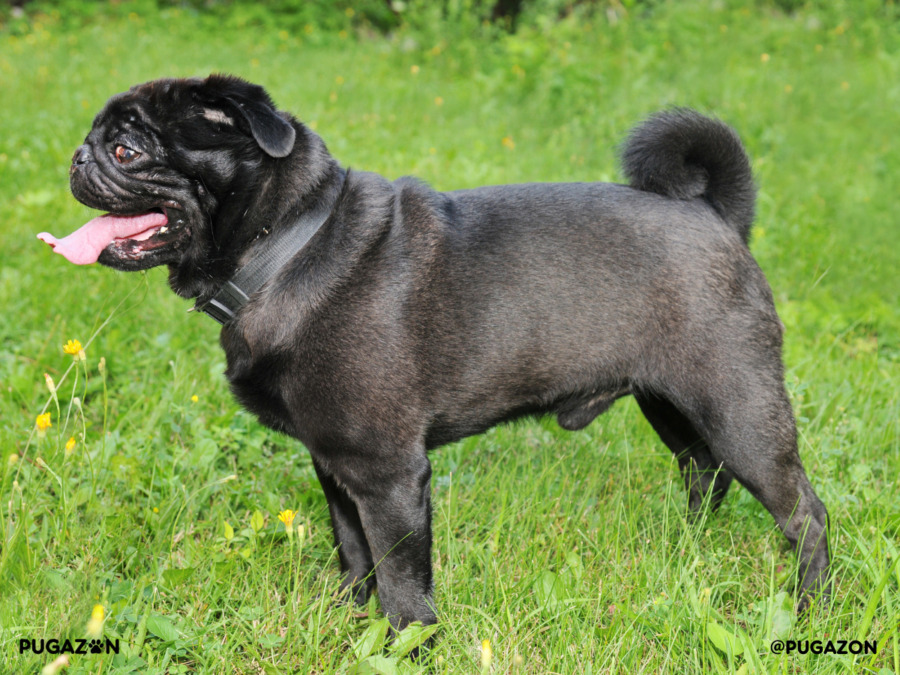
If you’re planning to bring a black pug into your home, research thoroughly before making a decision. A healthy, ethically bred puppy or a loving rescue dog will reward you with years of companionship.
For safe purchasing and adoption resources, explore our Pugs for Sale Guide (coming soon). It will list verified breeders, adoption centers, and detailed buyer checklists to help you avoid scams and unethical sellers.
FAQs About Black Pugs
Yes, black is one of only two standard coat colors for pugs recognized globally. Registered black pugs are as purebred as fawn pugs.
Historically, they were less common than fawns, but today black pugs are not rare. Prices should reflect quality and health testing, not color hype.
No major differences, though some owners report black pugs are slightly more independent or quieter. Temperament mostly depends on breeding and socialization.
No, shedding is similar across all pugs, but black hair is less visible on dark fabrics and more noticeable on light furniture.
Yes, dark coats absorb heat faster, increasing the risk of overheating. Owners must be cautious in warm weather.
Typically between $1,000 and $2,500 depending on breeder quality, location, and lineage.
Small white patches on the chest can appear but are considered a fault in show standards. They do not affect the dog’s quality as a pet.
On average, 12–15 years with good care, similar to other colors.
Look for kennel club registration, health test documentation, and breeder transparency. Avoid sellers marketing “rare black pugs” at inflated prices.
Yes, many rescues have black pugs available. Adoption is ethical, often cheaper, and gives a dog a second chance.