
Last updated on February 12th, 2026
- Intro
- History & Origins of White Pugs
- Recognition & Breed Standard for White Pugs
- Physical Traits of the White Pug Breed
- Size and Build
- Coat Appearance
- Grooming and Staining Challenges
- Sun Sensitivity
- Key Physical Characteristics
- Temperament & Personality of White Pugs
- Core Traits of Purebred White Coat Pugs
- Behavioral Variations in Crossbred Pugs with White Coats
- Training and Emotional Sensitivity
- Health, Risks & Longevity of White Pugs
- Care, Diet & Grooming
- Ethical & Legal Considerations in Buying or Adopting White Pugs
- Fun Facts & Trivia About the White Pug Breed
- White Is Not an Official Breed Color
- Albino vs. White Pugs
- Prone to Visible Stains
- High Demand, High Risk
- Social Media Stars
- Adopting or Buying a White Pug
- FAQs About White Pugs
- Are the white coloured pugs purebred?
- Are pugs with white coats rare?
- Are white colored pugs recognized by kennel clubs?
- What’s the difference between albino and white pugs?
- How much does a white pug cost?
- Do white pug breeds have more health problems?
- Do the white coloured pugs shed more than other pugs?
- How do you keep a pug with a white coat clean?
- Can I adopt a white pug?
- Should I buy a “rare” white pug from an online ad?
Intro

White pugs are among the most intriguing and misunderstood variations within the pug breed. While many people believe white pugs are a separate rare breed, the truth is more complex. True white-coated pugs are extremely uncommon and are typically the result of specific genetic combinations within fawn lineages or, in some cases, crossbreeding. Unfortunately, the rising popularity of this color has also led to widespread misinformation, with many breeders advertising “rare white pugs” at inflated prices or selling mixed breeds under false labels.
This guide provides a factual, detailed overview of the white pug breed, including their history, genetics, differences from albino pugs, physical traits, health risks, and coat care. We’ll also cover the ethical considerations of buying or adopting a white pug breed to help you avoid scams and ensure you bring home a healthy companion from a reputable source.
For verified breeders, adoption listings, and responsible purchasing advice, visit Pugs for Sale.
History & Origins of White Pugs
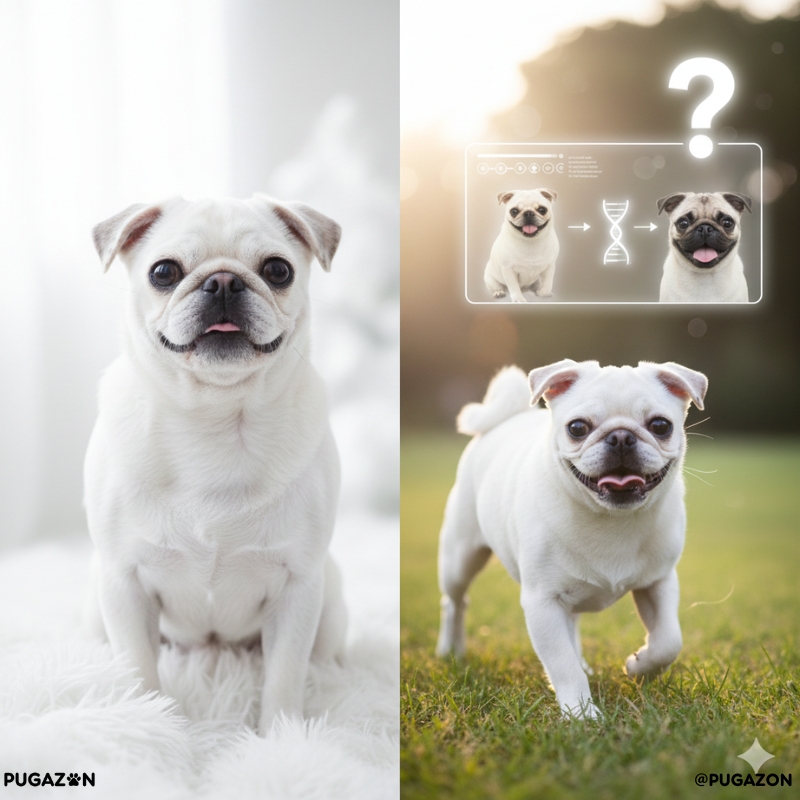
White pugs are not part of the traditional pug color spectrum historically recognized by major kennel clubs. The breed’s origins trace back over 2,000 years to imperial China, where pugs were primarily bred in shades of light fawn and, later, black.
Early Mentions of Light-Colored Pugs
Historical records occasionally reference very pale fawn pugs, almost cream or off-white in tone. These were natural variations of the fawn coat but not true white. Selective breeding for lighter tones gained traction in Europe during the 18th and 19th centuries but rarely resulted in fully white coats.
Modern Emergence of White Pugs
In contemporary breeding, “white pugs” usually fall into one of three categories:
- Diluted fawn pugs – naturally occurring pale coats resembling off-white but still genetically fawn.
- Crossbred pugs – intentional pairing with other small white breeds (like Chihuahuas or French Bulldogs) to achieve a white coat, resulting in non-purebred offspring.
- Leucistic or albino-like pugs – rare genetic mutations that strip pigment almost completely, often linked to health concerns.
True white pug dogs born naturally within purebred lines are exceptionally rare, and most kennel clubs do not officially recognize “white” as a standard color.
Recognition & Breed Standard for White Pugs

Kennel Club Classification
- The American Kennel Club (AKC) and The Kennel Club (UK) only recognize fawn and black pugs as standard colors.
- Extremely pale cream pugs may still be registered as fawn but are not labeled as white.
- Dogs advertised as white pugs are often either very light fawn or not purebred pugs.
Breed Standard Considerations
For a pug to meet breed standards, regardless of coat tone:
- Body structure must match the square, muscular build typical of pugs.
- Facial features include a well-defined black mask, curled tail, and compact stature.
- Nose, paw pads, and eyes should have solid black pigmentation—something often lacking in true albino or poorly bred “white” pugs.
A white pug dog lacking these features or displaying blue eyes, pink noses, or weak pigmentation often do not meet breed standard criteria.
Show Ring Eligibility
Because white is not an official color:
- Purebred pale-coated pugs can compete under fawn classification if they meet other breed requirements.
- Crossbred or non-standard white pugs are not eligible for official shows or kennel club registration.
Physical Traits of the White Pug Breed

The White pug dog variety generally share the same physical structure as other pugs but may display variations in pigmentation and coat care needs.
Size and Build
- Height: 10–13 inches (25–33 cm).
- Weight: 14–18 pounds (6.3–8.1 kg).
- Compact, muscular frame with curled tail, short muzzle, and broad chest.
Coat Appearance
- A true white pug has a solid, snow-white coat without cream or beige undertones.
- Many “pugs with white coats are closer to pale cream or light fawn when examined in natural light.
- Poorly bred or albino-like pugs may have pinkish noses, light eyes, and lack full pigmentation, which can indicate genetic health issues.
Grooming and Staining Challenges
- White fur is highly prone to visible tear staining and dirt buildup.
- Daily cleaning of facial wrinkles and tear tracks is essential to prevent permanent discoloration.
- Regular brushing (4–5 times a week) helps maintain the coat’s cleanliness and health.
Sun Sensitivity
Light-colored coats offer little protection from UV rays, and pugs already have delicate skin:
- True white or pigment-diluted pugs are more susceptible to sunburn.
- Owners should limit sun exposure and use dog-safe sunscreen for extended outdoor activity.
Key Physical Characteristics
- Physique identical to standard pugs if purebred.
- Coat color can indicate possible crossbreeding or genetic dilution.
- Requires more intensive cleaning and sun protection than darker-coated pugs.
Temperament & Personality of White Pugs

The White pug dog generally has the same temperament as other purebred pugs: loving, loyal, and eager to please. However, because many pugs with white coats are a result of selective breeding or crossbreeding, their personality can vary depending on their genetic background.
Core Traits of Purebred White Coat Pugs
- Gentle, affectionate, and highly people-oriented.
- Calm yet playful, enjoying interactive games followed by long naps.
- Naturally sociable with strangers and other pets when socialized early.
- Thrive in households where they receive constant companionship and attention.
Behavioral Variations in Crossbred Pugs with White Coats
Some white-coated dogs marketed as pugs may have been crossed with other breeds to achieve their coloring. These dogs can display:
- Higher energy levels or differing temperaments not typical of purebred pugs.
- Variations in trainability or independence.
- Behavioral quirks unique to the non-pug breed in their lineage.
This makes it essential to verify pedigree and lineage when buying a white pug puppy.
Training and Emotional Sensitivity
- Like all pugs, the white pug breed respond best to positive reinforcement and short, engaging training sessions.
- They dislike harsh corrections and can become anxious if left alone for long periods.
- Early socialization ensures confident, well-mannered adult dogs.
Health, Risks & Longevity of White Pugs

General Health
The Purebred white pug dog face the same health challenges common to pugs:
- Brachycephalic airway syndrome (breathing difficulties).
- Eye injuries due to prominent eyes.
- Joint issues such as hip dysplasia or patellar luxation.
- Obesity, which worsens respiratory and mobility problems.
Color-Linked Health Considerations
- Albinism or pigment dilution may lead to additional health issues like vision problems, light sensitivity, and higher risk of skin cancer.
- Some crossbred white pugs may inherit genetic issues unrelated to purebred pugs.
- Weak pigmentation (pink noses, pale eyes) can indicate compromised genetic health or unethical breeding practices.
Lifespan
Healthy purebred pugs with white coats typically live 12–15 years, similar to other coat colors. However, dogs with albinism or poor breeding practices may experience shorter lifespans due to increased susceptibility to disease or chronic conditions.
Preventive Care
- Genetic health testing for both parents is essential before purchasing a puppy.
- Keep weight under control to avoid worsening respiratory issues.
- Use sun protection to prevent burns and skin damage on sensitive white coats.
- Schedule regular veterinary checkups for breathing, skin, and eye health.

Last update on 2025-02-12 / * Affiliate links / Image source: Amazon Product Advertising API
Care, Diet & Grooming
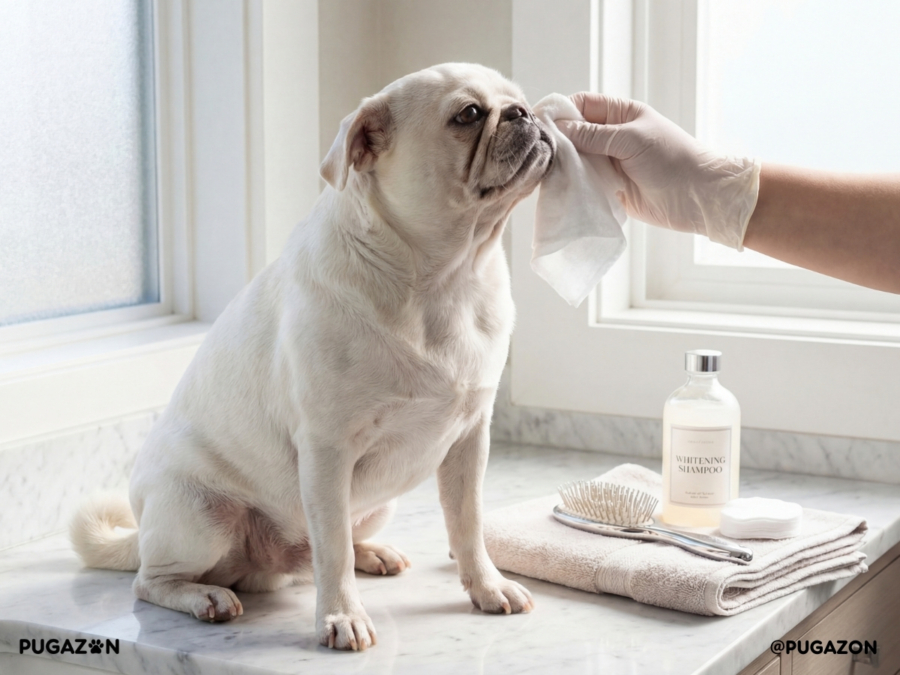
A White pug dog does require more attentive grooming and environmental care compared to darker-coated pugs due to their lighter fur and skin sensitivity.
Grooming Routine
- Brush 4–5 times weekly to remove loose fur and maintain coat health.
- Bathe every 4–6 weeks using mild, color-safe shampoos to prevent staining.
- Daily cleaning of facial wrinkles and tear tracks to avoid brownish staining.
- Keep nails trimmed and ears clean to prevent infections.
Diet for Coat and Skin Health
- High-quality diet rich in omega fatty acids to maintain healthy skin and coat shine.
- Supplements like fish oil can help prevent dryness and excessive shedding.
- Avoid artificial coloring or fillers that may irritate sensitive skin.
Environmental Considerations
- Limit sun exposure and provide shaded, cool areas outdoors.
- Apply dog-safe sunscreen on the nose, ears, and belly when spending extended time outside.
- Use soft bedding and frequent cleaning to keep the coat spotless.
Ethical & Legal Considerations in Buying or Adopting White Pugs

The “Rare White Pug” Myth
Many sellers exploit the appeal of white coats to charge excessive prices, often falsely labeling mixed-breed or albino pugs as “rare” purebreds. Buyers should be cautious of:
- Extremely high prices without kennel club registration.
- Puppies with visible health issues linked to pigment dilution or poor breeding.
- Sellers refusing to show parents or provide pedigree documents.
Choosing a Responsible Breeder
Look for breeders who:
- Are registered with reputable kennel clubs.
- Offer proof of purebred lineage and health clearances.
- Breed for overall health and temperament, not just coat color.
- Allow in-person visits or virtual inspections of facilities.
Adoption Opportunities
Many pale-coated or light fawn pugs are surrendered to rescues due to owner circumstances. Adoption offers:
- A second chance for dogs needing homes.
- Lower costs compared to commercial breeders.
- Assurance from reputable rescues that dogs are health-checked and well-cared for.
🔗 For verified breeders and ethical adoption listings, visit our Pugs for Sale page
Fun Facts & Trivia About the White Pug Breed

White Is Not an Official Breed Color
Despite their popularity, the white pug breed are not recognized as a standard color by major kennel clubs. Most registered pugs with white coats are classified under very pale fawn.
Albino vs. White Pugs
True albino pugs are extremely rare and come with health challenges. Most pugs with white coats you see advertised are pale fawn or mixed breed, making the albino-white distinction crucial for buyers.
Prone to Visible Stains
White coats show dirt, tear stains, and saliva marks more easily than darker coats, requiring extra grooming attention to stay pristine.
High Demand, High Risk
Because of their “rare” appeal, unethical breeders often exploit buyers by selling unhealthy puppies or crossbreeds as purebred white pugs.
Social Media Stars
Pugs with white coats are highly photogenic due to their bright coats and are often featured in viral posts, giving them an online popularity boost despite their unofficial breed status.
Adopting or Buying a White Pug
The White pug breed are captivating dogs, but misinformation and unethical breeding practices mean buyers must proceed with caution. Avoid inflated prices or unhealthy litters marketed as “rare.”
For verified breeder information, adoption listings, and tips to avoid scams, visit Pugs for Sale to ensure you bring home a healthy, happy pug from a trusted source.
FAQs About White Pugs
True white pugs are rare in purebred lines. Most are pale fawn or mixed breed. Buyers should always verify pedigree documentation.
Yes, they’re uncommon but not a separate breed. Many sellers exaggerate rarity to increase prices.
No. Officially, pugs are recognized in only fawn and black. White coats fall under pale fawn classification.
Albino pugs lack pigment entirely, often with pink noses and light eyes, while white pugs usually have full black pigmentation but very pale coats.
Typically $1,500–$2,500 for pale fawn pugs. Prices beyond this are often unjustified marketing tactics.
Potentially, if bred unethically or if albinism is involved. Reputable breeders prioritize health over color.
No, shedding levels are similar, but white hair is highly visible on dark clothing and furniture.
Daily wrinkle cleaning, weekly brushing, and occasional whitening shampoos help maintain coat brightness.
Yes, pale-coated pugs occasionally appear in rescues. Adoption avoids supporting unethical breeding and is often more affordable.
Proceed with caution. Many scams exploit this color variation. Always request lineage proof, health testing, and breeder references.