Last updated on February 12th, 2026
- Intro
- History & Origins of Silver Pugs
- Recognition & Breed Standard for Silver Pugs
- Physical Traits of Silver Pugs
- Size and Build
- Coat Appearance
- Shedding Visibility
- Skin Sensitivity
- Pigmentation Quality
- Key Physical Characteristics
- Temperament & Personality of Silver Pugs
- Health, Risks & Longevity of Silver Pugs
- Care, Diet & Grooming for the Silver Pug Breed
- Ethical & Legal Considerations in Buying or Adopting Silver Pugs
- The “Rare Silver Pug” Marketing Trap
- Choosing a Responsible Breeder
- Adoption Opportunities
- Key Resource for Buyers
- Fun Facts & Trivia About Silver Pugs
- 1. Silver Pugs Are Not a Separate Breed
- 2. Rarity Is Overstated
- 3. Historical Records Are Sparse
- 4. They Photograph Differently
- 5. Extra Grooming Attention Is Needed
- Adopting or Buying a Silver Pug
- FAQs About Silver Pugs
- Are the silver pug variety purebred?
- How rare is a silver pug?
- Are silver pugs recognized by kennel clubs?
- How much do silver pug puppies cost?
- Are silver pugs healthier or less healthy than other pugs?
- Do silver pug breeds change color as they grow?
- Are silver pugs good for families with children?
- Do silver pugs shed more than other pugs?
- Do silver pugs need special grooming?
- Can I adopt a silver pug instead of buying one?
Intro
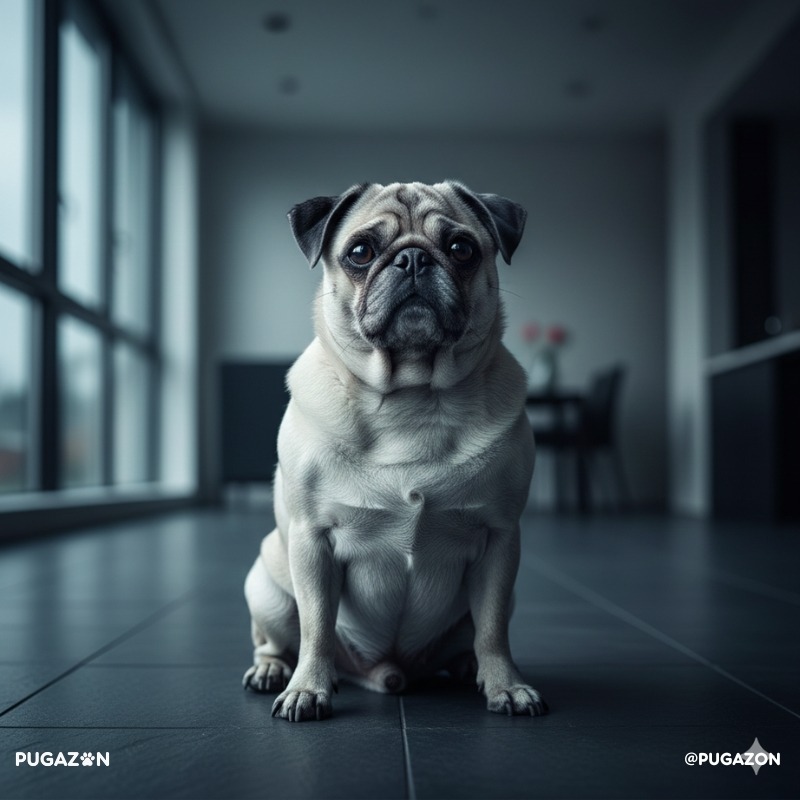
Silver pugs are among the most striking and least understood color variations within the pug breed. Often mistaken for light fawn or cream, true silver pugs have a distinctive pale coat with cool, grayish undertones that set them apart from their more common relatives. While not officially listed as a separate color by most kennel clubs, silver pugs are recognized under the “fawn” category and are admired worldwide for their unique appearance.
This guide is designed to give a full understanding of silver pugs, covering their origins, official recognition, physical characteristics, temperament, health considerations, and care needs. We’ll also discuss the myths surrounding their rarity and the common issue of unethical breeders marketing silver pugs as “exclusive” or “rare” at inflated prices.
If you’re considering adding a silver pug puppy to your family or simply want to know more about this eye-catching color variation, this comprehensive guide will help you make an informed decision. For trusted breeders, rescue options, and tips to avoid scams, visit our dedicated resource on Pugs for Sale.
History & Origins of Silver Pugs

Silver pugs share the same ancient lineage as all pugs, tracing back over 2,000 years to imperial China. The earliest pug ancestors were bred as royal companions, often depicted in scrolls and artifacts with pale coats closer to cream or fawn. True silver coloring is believed to have emerged naturally from genetic variations within light-fawn breeding lines
Early Genetic Occurrence
Silver coats are a result of a diluted fawn gene, which reduces warm pigment tones and introduces a cool, grayish cast to the fur. Unlike black pugs, which are dominant genetically, silver shades are recessive and therefore much less common. Historically, this made silver-coated puppies rare occurrences within fawn litters, often kept as novelty pets by elite families.
European Arrival
When pugs were introduced to Europe in the 16th and 17th centuries, most were fawn or apricot. Silver coats occasionally appeared but were never intentionally bred for until much later. Some Victorian breeders in England and the Netherlands experimented with lighter coat shades, producing early silver-toned pugs, although they were still registered under fawn.
Modern Recognition
Today, silver pugs are not considered a separate official color by major kennel clubs like the AKC or The Kennel Club (UK). Instead, they are categorized as fawn, sometimes specified as “silver-fawn” in registration papers. Despite this, the term “silver pug” is widely used by owners and breeders to describe this distinct pale-gray coat variation.
Recognition & Breed Standard for Silver Pugs
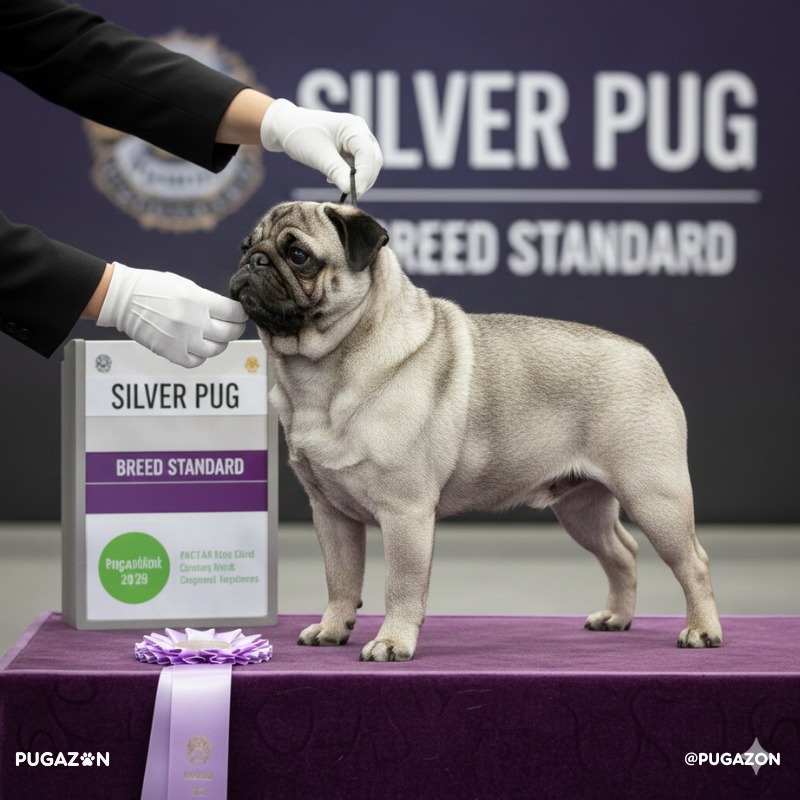
Silver pugs must meet the same structural and temperament standards as other pugs, with coat color being the main distinction.
Kennel Club Standards
- Officially recognized under “fawn,” with variations such as silver-fawn listed as acceptable.
- Coat must be smooth, short, and glossy, lying close to the body.
- Black mask, ears, and facial markings remain essential for correct breed type, offering contrast against the pale coat.
- A thin spinal trace may be visible but often appears lighter than on standard fawn pugs.
Shade Range
Silver coats vary from:
- Very light cream with gray tones.
- Pale fawn with a subtle silver shimmer in natural light.
- Cool beige with reduced reddish pigment compared to apricot or classic fawn pugs.
Because silver is a recessive trait, not all puppies in a silver-bred litter will display the same intensity of color. True silver coats remain relatively uncommon.
Show Ring Considerations
While acceptable in shows under the fawn classification:
- Judges often favor richer fawn or apricot tones, making silver pugs less competitive despite being fully standard-compliant.
- Excessively pale or washed-out coats lacking black contrast are considered less desirable in competition.
Physical Traits of Silver Pugs
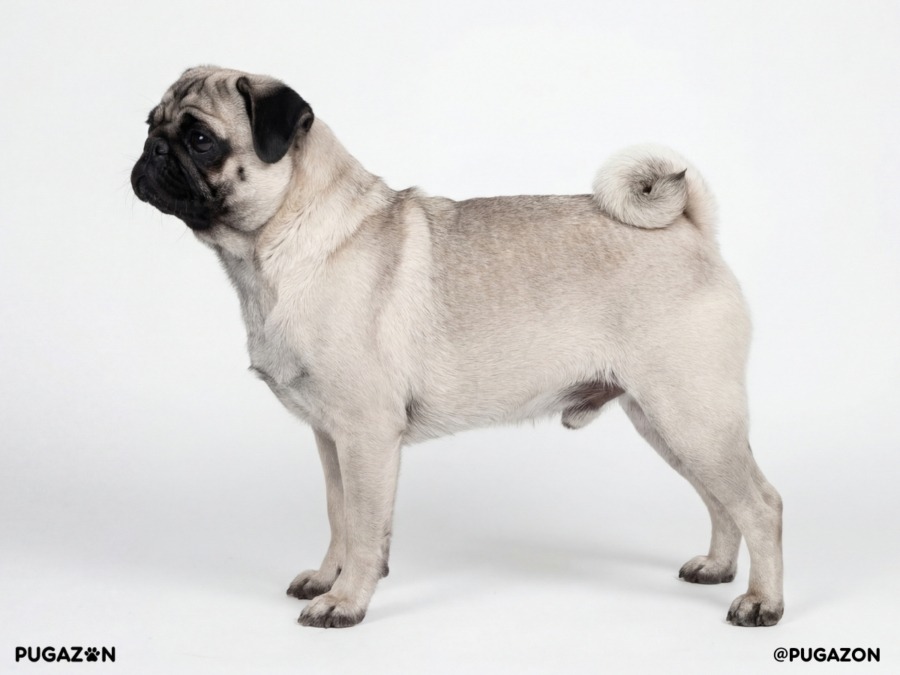
Silver pugs share the same basic build as all pugs—compact, muscular, with a curled tail and short muzzle—but their coloring gives them a unique appearance and specific care needs.
Size and Build
- Height: 10–13 inches (25–33 cm)
- Weight: 14–18 pounds (6.3–8.1 kg)
- Sturdy, square frame with well-developed shoulders and a broad chest.
Some breeders report silver pug lines occasionally produce slightly smaller dogs due to their light fawn ancestry, but this is anecdotal and not consistent across all litters.
Coat Appearance
- Light gray-beige tone with cooler undertones compared to typical fawn.
- Glossy and smooth when properly cared for, though lighter coats can appear dull if not regularly maintained.
- Black markings (mask, ears, trace) provide sharp contrast against the pale fur, adding to their unique look.
Shedding Visibility
Shedding is heavy, like all pugs. However:
- Loose hair is highly visible on dark furniture due to its pale color.
- Frequent brushing (3–4 times a week) is essential to manage hair and keep the coat shiny.
Because silver coats are lighter, dirt and tear stains are more noticeable, requiring more frequent cleaning than on black or darker fawn pugs.
Skin Sensitivity
Light pigmentation in silver coats can make these pugs more prone to:
- Sunburn on ears, muzzle, and belly during prolonged sun exposure.
- Skin allergies or irritation showing more visibly on pale fur.
Owners should use dog-safe sunscreen on exposed areas and avoid excessive direct sunlight during walks.
Pigmentation Quality
True silver pugs still require:
- Solid black noses, ears, and mask for breed standard compliance.
- Dark nails and paw pads, as diluted pigment is considered a breeding fault.
Poorly bred “silver pugs” with weak pigment (light noses, pale eyes) often indicate questionable breeding practices.
Key Physical Characteristics
- Distinctive cool-toned light coat, unique within the breed.
- High shedding visibility on dark fabrics.
- Sensitive to sun and environmental allergens.
- Requires consistent grooming to maintain color vibrancy and hygiene.
Temperament & Personality of Silver Pugs
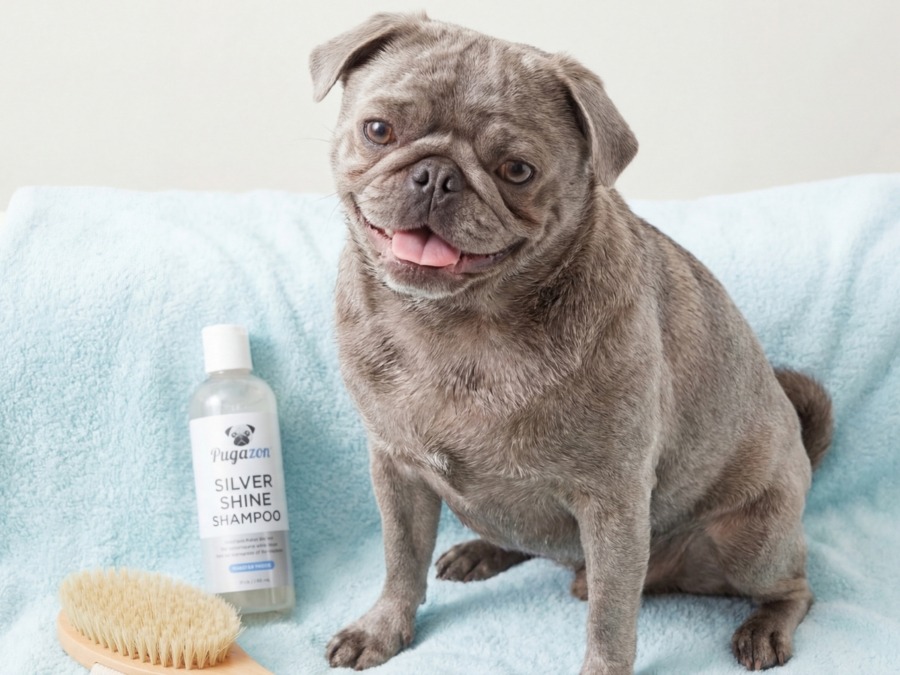
Silver pugs have the same beloved personality traits as all pugs: affectionate, loyal, and eager to be close to their owners. However, their rarity and selective breeding history have produced some subtle differences noted by experienced breeders and owners.
Core Personality Traits
- Gentle, affectionate, and devoted to family members.
- Playful but not hyperactive; they enjoy short bursts of activity followed by long naps.
- Sociable and friendly with strangers, though sometimes more cautious compared to common fawn pugs.
- Thrive on companionship, making them true “velcro dogs” who dislike long periods alone.
Behavioral Observations
Due to their selective breeding:
- Silver pugs are often bred from champion fawn lines, which typically enhances trainability and predictability of temperament.
- Some owners report they can be quieter or less vocal than darker pugs, though this varies individually.
- Early socialization remains crucial to avoid shyness or mild anxiety with new environments.
Family and Social Adaptability
Silver pugs are adaptable companions:
- Excellent with children due to their patient and affectionate demeanor.
- Generally friendly with other pets if introduced gradually.
- Suitable for apartments and city living as they require only moderate exercise.
Emotional Needs
Like all pugs, silver pugs are emotionally sensitive:
- They dislike being left alone for extended hours.
- Respond poorly to harsh training methods; positive reinforcement is essential.
Thrive in homes where they can be near their owners most of the day.
Fawn pugs, like all pugs, fall under the toy breed category, but their sturdy, muscular build gives them surprising resilience for a small dog. The main size attributes are:
- Height: 10–13 inches (25–33 cm) at the shoulder.
- Weight: 14–18 pounds (6.3–8.1 kg) for both males and females.
- Body Shape: Square and compact, with a wide chest, strong forelegs, and balanced proportions.
- Tail: High-set and tightly curled, often double-curled—a desirable trait in show pugs.
While these measurements are consistent across all pug colors, fawn pugs are more commonly bred for show standards, meaning reputable breeders often prioritize ideal size and conformation in fawn litters more than in rarer colors. This contributes to a more uniform size profile among fawn pugs.
Health, Risks & Longevity of Silver Pugs
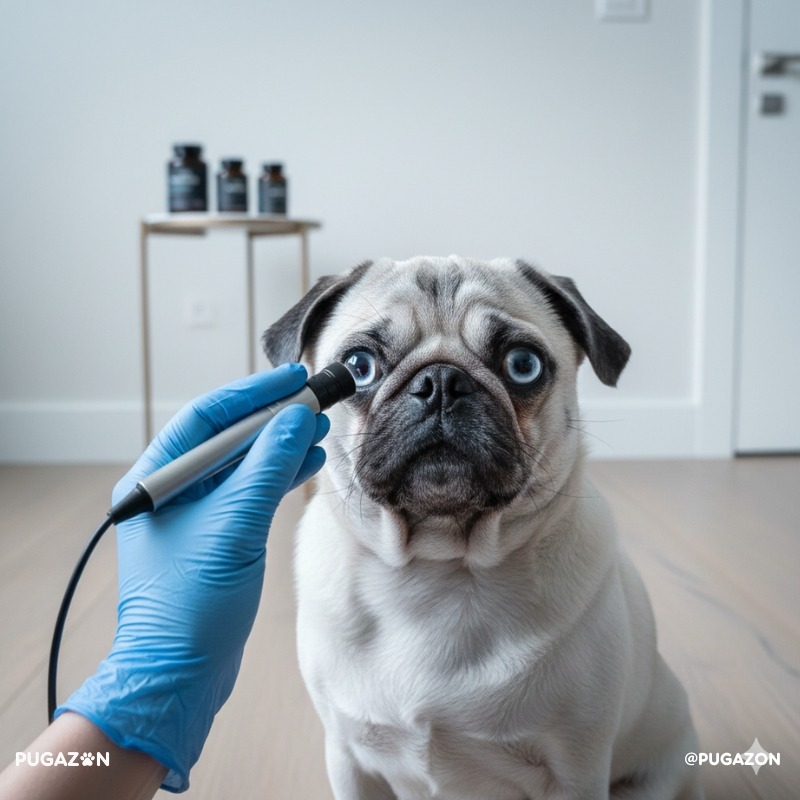
General Health Profile
A Silver pug shares the same health risks common to all brachycephalic breeds:
- Breathing difficulties due to short muzzles.
- Eye injuries and dryness from prominent eyes.
- Obesity if overfed or under-exercised.
Color-Linked Considerations
- Skin sensitivity: Light coats offer less UV protection, making sunburn and skin irritation more likely.
- Allergies and dermatitis: Redness and rashes are more visible on pale coats, requiring quicker intervention.
- Dilution gene concerns: Poor breeding practices to “create” silver pugs can lead to weak pigment or higher risk of certain skin conditions.
Average Lifespan
With proper care the silver pug breed typically live 12–15 years, similar to other colors. Retro-bred lines with slightly longer muzzles may experience improved breathing and overall longevity.
Preventive Health Care
- Regular veterinary checks for airway, eye, and joint health.
- Weight management to avoid obesity-related complications.
- Sun protection and wrinkle cleaning to avoid skin issues.
- Choosing a reputable breeder to reduce genetic risks associated with unethical color breeding.

Last update on 2025-02-12 / * Affiliate links / Image source: Amazon Product Advertising API
Care, Diet & Grooming for the Silver Pug Breed
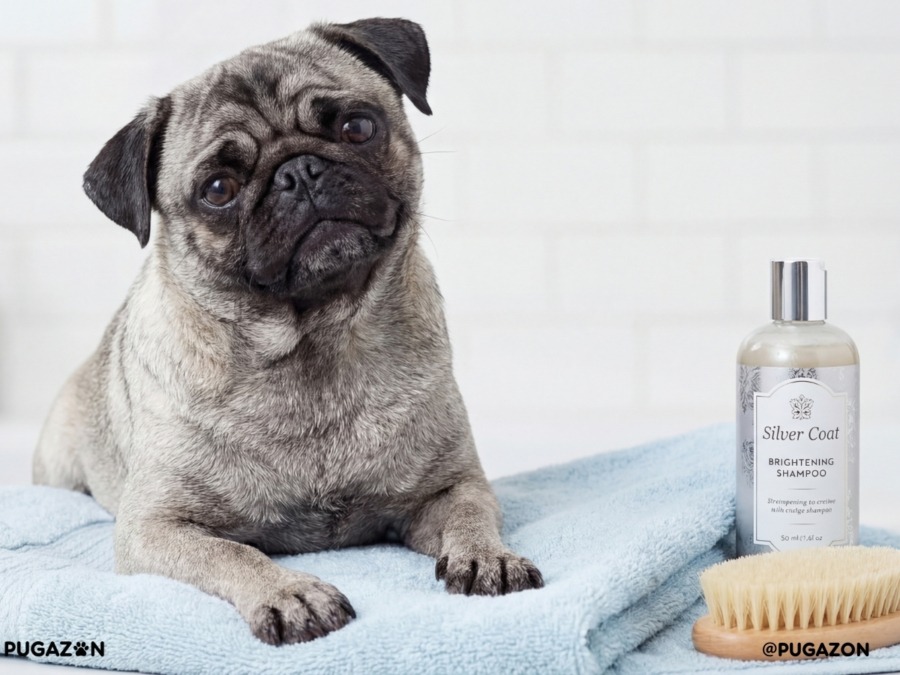
Silver pugs require additional attention to coat cleanliness and sun protection compared to darker-coated pugs.
Grooming Routine
- Brush 4–5 times a week to manage heavy shedding and keep the coat smooth.
- Use whitening or brightening dog shampoos occasionally to maintain the pale, silver tone.
- Clean wrinkles and tear stains daily, as staining is more noticeable on light fur.
- Trim nails regularly and clean ears to prevent infections.
Diet Considerations
- High-quality food with omega fatty acids for coat health.
- Controlled calorie intake to avoid obesity.
- Supplements like fish oil can enhance coat vibrancy and reduce shedding.
Environmental Care
- Avoid peak sun exposure to prevent sunburn, especially on thin-furred areas.
- Use dog-safe sunscreen on ears, muzzle, and belly when outdoors for long periods.
- Keep indoor spaces cool during hot weather, as silver pugs can still overheat despite lighter coats.
Ethical & Legal Considerations in Buying or Adopting Silver Pugs

The “Rare Silver Pug” Marketing Trap
Many unethical breeders advertise the silver variety pugs as a rare or exclusive breed, charging inflated prices. In reality:
- Silver is a recognized shade of fawn, not a separate breed or color category.
- True silver pugs are uncommon, but scarcity should not excuse poor breeding practices or extreme prices.
Choosing a Responsible Breeder
Look for:
- Kennel club registration and verifiable pedigree papers.
- Health testing for common pug conditions.
- Transparent breeding practices without excessive litters or crossbreeding for color.
- Reasonable pricing aligned with breed standards, not rarity claims.
Adoption Opportunities
Pugs with silver coats occasionally appear in rescues. Adopting gives a dog a second chance and avoids supporting unethical breeders. Many rescues specialize in purebred pugs and can help match you with available silver-coated dogs.
Key Resource for Buyers
For verified breeders, adoption listings, and scam prevention tips, visit Pugs for Sale. This resource will guide you to reputable sources and help you avoid common pitfalls when searching for silver pug puppies.
Fun Facts & Trivia About Silver Pugs

1. Silver Pugs Are Not a Separate Breed
Silver pugs are often mistaken for a distinct breed or a “designer mix,” but they are purebred pugs. Their pale, grayish tone simply comes from a diluted fawn gene, making them a unique color variant within the breed standard.
2. Rarity Is Overstated
Although true silver coats are less common than standard fawn or black pugs, unethical breeders exaggerate this rarity to charge higher prices. Silver pugs are not officially recognized as a rare separate color by major kennel clubs.
3. Historical Records Are Sparse
Most early depictions of pugs in Chinese art and European portraits show fawn coats. Silver coloring only became more noticeable after centuries of selective breeding, making it a relatively modern variation.
4. They Photograph Differently
Silver pugs have a unique glow under natural light. Their pale coats can sometimes appear cream or even bluish-gray in photographs, giving them a striking, almost ethereal look compared to other pug colors.
5. Extra Grooming Attention Is Needed
Light coats show stains and dirt more easily than darker colors. Tear staining, muddy paws, and wrinkle buildup are more visible, requiring diligent cleaning to maintain their signature pale coat.
Adopting or Buying a Silver Pug
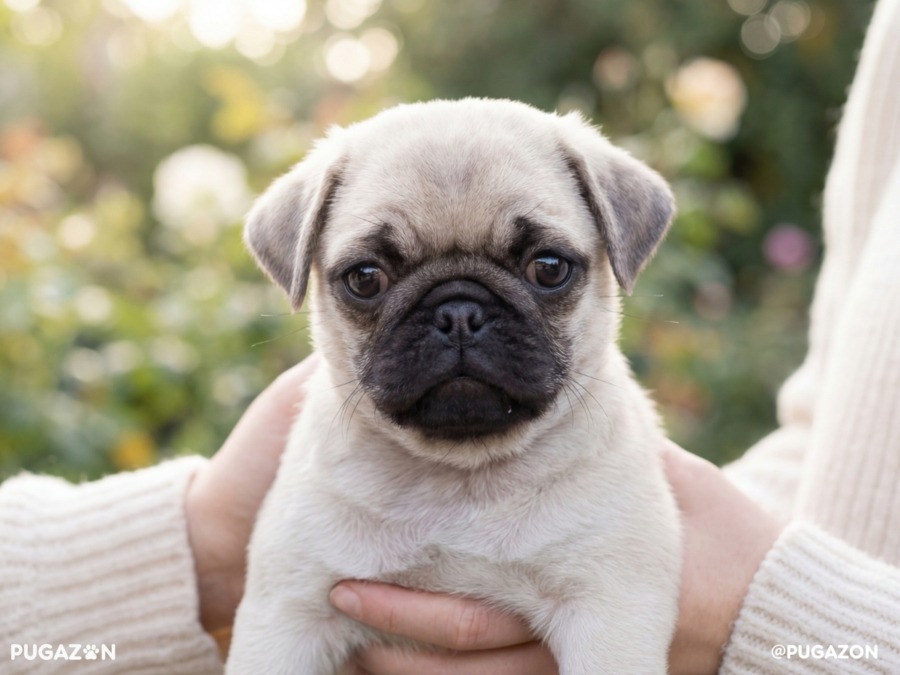
Silver pugs are charming and beautiful, but buying one requires careful research to avoid scams and unethical breeders. If you’re considering adding a silver pug to your family:
- Choose a registered breeder with documented health testing.
- Avoid inflated prices based on misleading “rare color” claims.
- Explore reputable rescue organizations, where silver-coated pugs occasionally need new homes.
For verified breeder lists, adoption options, and scam prevention tips, visit Pugs for Sale to ensure you make an informed and ethical decision.
FAQs About Silver Pugs
Yes, silver pugs are purebred pugs classified as fawn under kennel club standards. The silver appearance comes from genetic dilution of the fawn color.
They are less common than other coat colors but not a rare breed. Scarcity depends on breeding lines, and rarity claims are often exaggerated for higher prices.
Major clubs like the AKC recognize only fawn and black pugs. Silver pugs are registered as a variation of fawn.
Typically $1,200–$2,500, depending on breeder reputation and health testing. Avoid paying extreme premiums based on color claims alone.
Color has no proven effect on overall health. Poor breeding for color alone can increase risks, so selecting an ethical breeder is crucial.
Yes, some puppies start pale cream and develop a cooler silver tone as they mature, while others darken slightly toward beige.
Yes, they are affectionate, patient, and playful, making them excellent companions for children when properly socialized.
No, shedding levels are similar across the breed. Light fur, however, is more visible on dark furniture and clothing
They require more frequent cleaning to prevent tear stains and dirt from showing on their light coats but otherwise have the same grooming needs as other pugs.
Yes, while less common in rescues, silver pugs occasionally need rehoming. Adoption is an ethical choice that avoids supporting irresponsible breeding practices.