Last updated on February 12th, 2026
- Intro
- History & Origins of Brindle Pugs
- Recognition & Breed Standard for the Brindle Pug Breed
- Physical Traits of the Brindle Mixed Pug
- Temperament & Personality of Brindle Pugs
- Core Personality Traits in Purebred-Type Brindle Pugs
- Behavioral Considerations with Mixed-Lineage Brindle Pugs
- Training and Socialization
- Health, Risks & Longevity of The Brindle Pugs Breed
- Care, Diet & Grooming for the Brindle Pug Breed
- Ethical & Legal Considerations in Buying or Adopting Brindle Pugs
- Fun Facts & Trivia About The Brindle Pug
- Brindle Is Not an Official Pug Color
- Unique “Tiger Stripe” Pattern
- Mixed-Lineage Possibility
- Popular on Social Media
- “Rare” Does Not Mean Better
- Adopting or Buying a Brindle Pug
- FAQs About Brindle Pugs
- Are brindle pugs purebred?
- Are brindle pugs rare?
- Are brindle pugs recognized by kennel clubs?
- How much does a brindle pug cost?
- Do brindle pugs have different health issues?
- Can brindle pugs compete in dog shows?
- Do brindle pugs shed more than other pugs?
- How can I verify if a brindle pug is purebred?
- Can I adopt a brindle pug?
- Should I buy a brindle pug from an online ad?
Intro
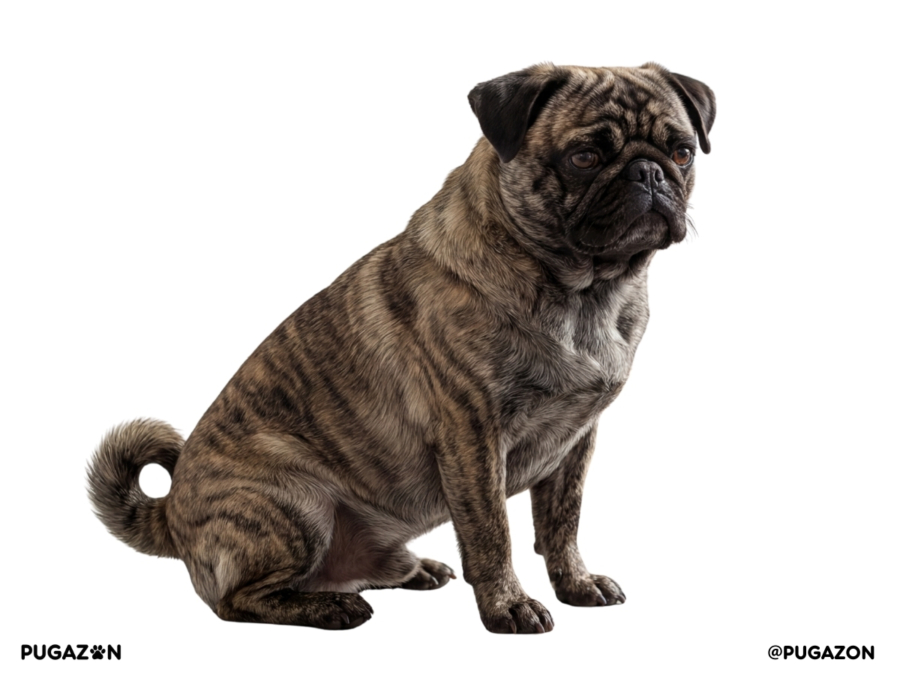
Brindle pugs are one of the most visually striking yet controversial coat variations within the pug breed. Characterized by dark striping or streaks over a lighter base coat, brindle patterns are unusual in purebred pugs and are not officially recognized by major kennel clubs. This color variation often sparks debate in the pug community, with some enthusiasts admiring the unique look, while others question its authenticity within breed standards.
True brindle coloring is thought to result from genetic crossover with other short-nosed breeds, as the brindle gene does not naturally appear in traditional pug lineages. While this does not make brindle pugs any less loving or charming companions, prospective owners should be aware of the potential for mixed ancestry and how this may impact health, temperament, and eligibility for official registration.
This guide provides a comprehensive overview of the brindle pug breed, covering their history, genetics, physical traits, temperament, health considerations, and care needs. It also discusses the ethical implications of buying brindle puppies and how to avoid unscrupulous breeders marketing them as “rare purebred pugs.” For verified listings and adoption options, visit Pugs for Sale.
History & Origins of Brindle Pugs

Brindle coloring is rare in pugs because the breed standard historically recognized only fawn and black coats. There is no evidence that the brindle gene existed in the original pug bloodlines developed over 2,000 years ago in imperial China or later refined in Europe.
Possible Genetic Origins
- Crossbreeding hypothesis: The brindle gene is common in breeds such as French Bulldogs and Boston Terriers, leading experts to believe that most brindle pugs descend from historical crossbreeding, intentionally or unintentionally, to introduce this pattern.
- Recessive gene theory: A small minority of breeders claim brindle can appear naturally in pugs, but this is not well-documented in official registries or historical records.
Emergence in Modern Breeding
The Brindle breed pug became more visible during the 20th century in select breeding lines, particularly in North America and Europe, where non-standard colors were occasionally produced to meet growing demand for unique-looking pets. While these dogs may still have predominantly pug characteristics, many lack verifiable purebred lineage.
Recognition by Kennel Clubs
- Neither the AKC nor the Kennel Club (UK) officially recognizes brindle as a standard pug color.
Puppies with brindle markings cannot compete in conformation shows and are typically registered as non-standard or crossbred.
Recognition & Breed Standard for the Brindle Pug Breed

Official Breed Standards
Standard pug colors:
- Fawn: Ranging from pale cream to deep apricot with a black mask.
- Black: Solid black coat with no other markings.
Brindle is considered non-standard, meaning:
- Dogs with this pattern do not meet official show requirements.
- Many kennel clubs will not provide full registration, or will note “non-standard coloring.”
What Brindle Pugs Look Like
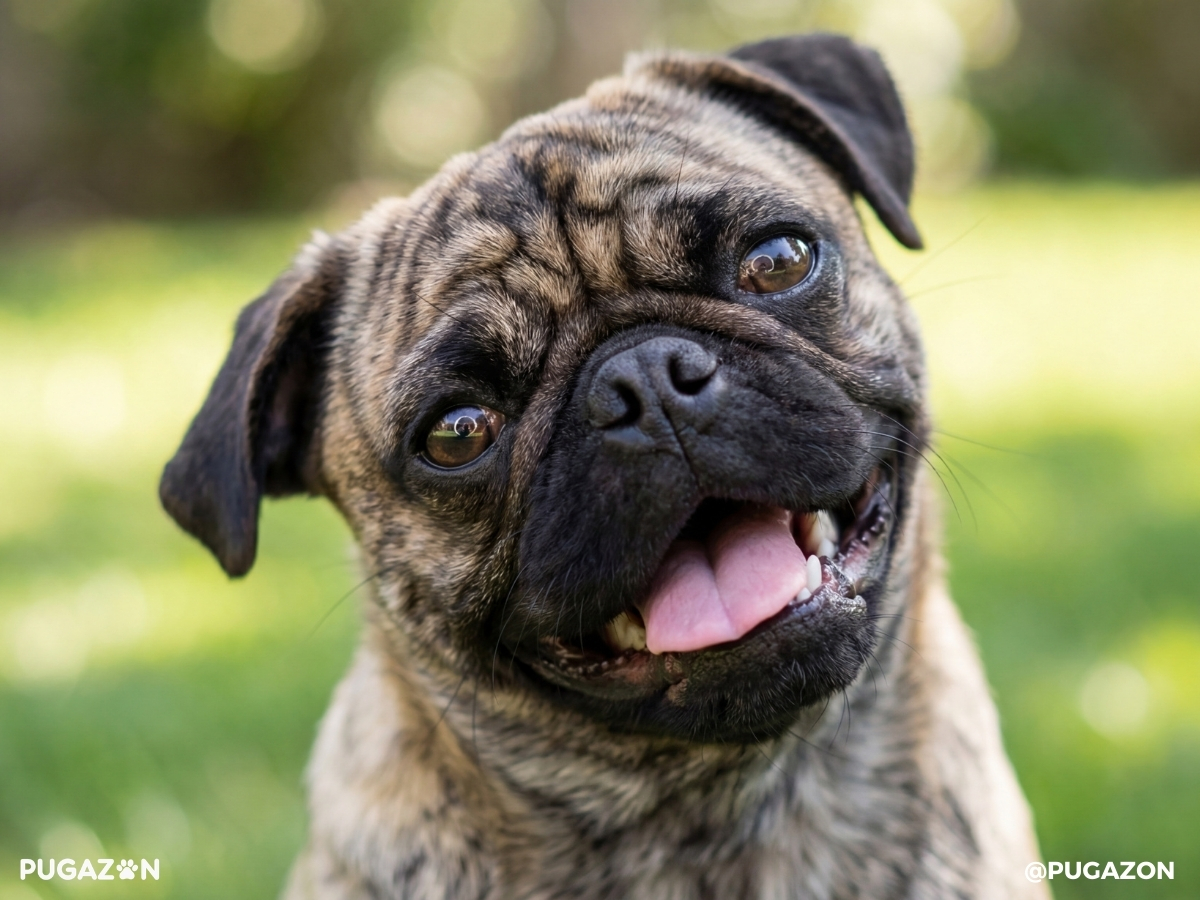
- Coat pattern consists of dark stripes or streaks over a lighter background, similar to tiger stripes.
- Pattern can be:
- Light brindle: Thin, subtle striping over tan or fawn base.
- Dark brindle: Heavy black or brown streaking with minimal light fur visible.
- Markings are unique to each dog, making no two brindle pugs identical.
Purebred vs. Crossbred Debate
- True purebred pugs rarely carry the brindle gene naturally.
- Many brindle pugs may have mixed ancestry, often involving French Bulldogs, Boston Terriers, or Staffordshire breeds.
Without verified lineage, there is no guarantee of meeting purebred health and temperament standards.
Physical Traits of the Brindle Mixed Pug
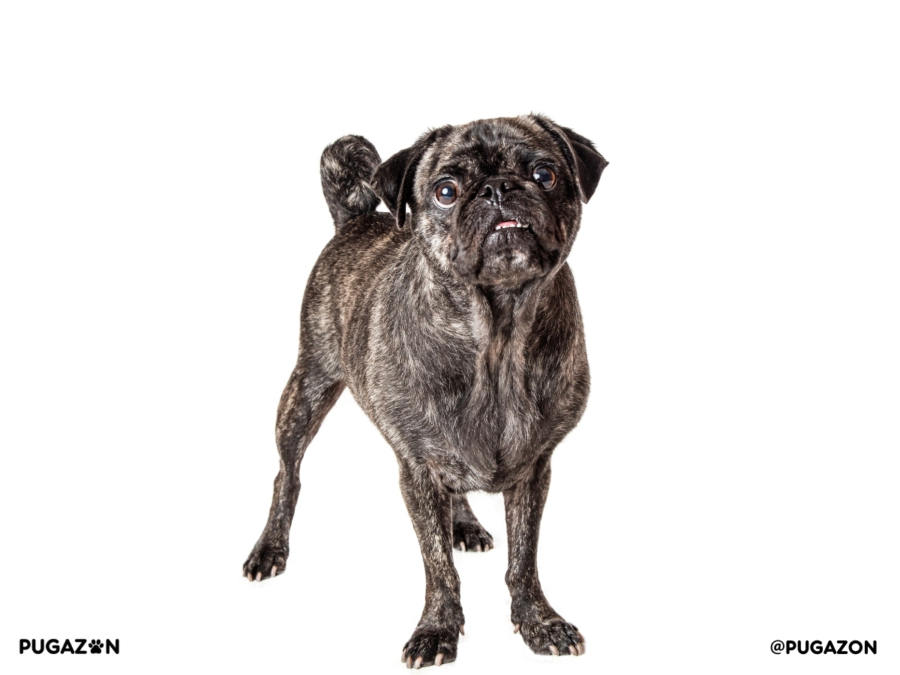
The Brindle pug dog breed typically have the same physical structure as standard pugs but may show slight variations depending on ancestry.
Size and Build
- Height: 10–13 inches (25–33 cm).
- Weight: 14–18 pounds (6.3–8.1 kg).
- Compact, square body with curled tail, short muzzle, and well-developed muscles.
Some brindle breed pugs with mixed ancestry may be:
- Slightly taller or broader-chested than standard pugs.
- Possess minor differences in ear shape or muzzle structure due to non-pug lineage.
Coat Pattern and Maintenance
- Brindle coat appears as striped or swirled dark and light fur, creating a unique pattern on each dog.
- Shedding is similar to other pugs, requiring brushing 3–4 times per week.
- Darker coats may hide dirt better than pale fawn but can still show dandruff and loose fur.
Grooming Needs
- Standard pug grooming routine applies: wrinkle cleaning, nail trimming, and ear checks.
- Regular brushing helps keep the brindle pattern vibrant and prevents matting.
- Bathing every 4–6 weeks maintains coat shine and skin health.
Key Physical Characteristics
- Compact pug physique, though mixed-lineage brindles may have subtle differences.
- Striped coat pattern ranging from light to dark brindle variations.
- Same basic grooming and care needs as other pugs.
Temperament & Personality of Brindle Pugs
The Brindle pug breed generally share the classic pug temperament—loving, loyal, and sociable—but variations in behavior may occur if crossbreeding introduced the brindle coat pattern. A brindle pug’s personality depends on its genetic background, early socialization, and upbringing.
Core Personality Traits in Purebred-Type Brindle Pugs
- Affectionate: Brindle pugs love being with their owners and often follow them from room to room.
- Playful: They enjoy short bursts of activity but, like all pugs, are not excessively energetic.
- Sociable: Usually friendly with strangers, children, and other pets.
- Companion-driven: Thrive on human interaction and dislike long periods alone.
Behavioral Considerations with Mixed-Lineage Brindle Pugs
- May inherit traits from other breeds (e.g., higher energy from terrier lines).
- Could display more independent behavior compared to the typical “velcro pug.”
- Trainability and temperament can vary widely without purebred predictability.
Training and Socialization
- Positive reinforcement is key, as pugs respond poorly to harsh methods.
- Consistent, short training sessions build confidence and good manners.
Socializing from puppyhood helps ensure even-tempered adult dogs, regardless of lineage.
Health, Risks & Longevity of The Brindle Pugs Breed

The Brindle pug breed face the same health challenges common to all pugs, with potential added risks if crossbreeding introduced non-pug genetic traits or poor breeding practices.
General Pug Health Concerns
- Brachycephalic airway syndrome, causing breathing difficulties.
- Eye issues such as ulcers, dryness, or injuries due to protruding eyes.
- Hip dysplasia or patellar luxation affecting mobility.
- Obesity, which worsens respiratory and joint problems.
Brindle-Specific Considerations
- Some brindle pugs are bred without proper pedigree tracking, increasing the risk of hereditary health conditions.
- Mixed ancestry may reduce or increase certain health risks, depending on the breeds involved.
- Lack of established breeding standards for brindle pugs makes health screening even more important before purchase.
Lifespan
With good care, a brindle mix pug will typically live 12–15 years, comparable to other pugs. However, poor breeding practices may lead to shorter lifespans due to genetic disorders or chronic health issues.

Last update on 2025-02-12 / * Affiliate links / Image source: Amazon Product Advertising API
Care, Diet & Grooming for the Brindle Pug Breed
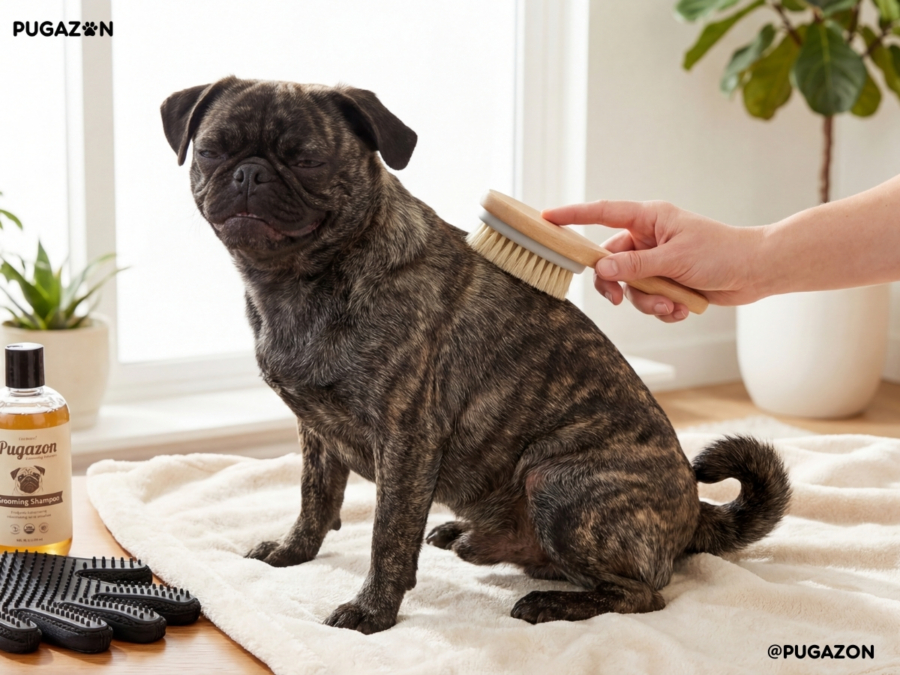
A rare mix Brindle pug requires similar care to standard pugs but with some coat-specific attention to maintain their unique pattern.
Grooming Routine
- Brush 3–4 times weekly to reduce shedding and highlight the brindle stripes.
- Bathe every 4–6 weeks using mild dog shampoo to keep the coat glossy.
- Clean wrinkles and facial folds daily to prevent infections and staining.
- Trim nails regularly and clean ears to avoid ear infections.
Diet Recommendations
- High-quality food with a balance of protein, fats, and omega fatty acids for coat health.
- Controlled portions to prevent obesity, a common pug issue.
- Occasional supplements like fish oil to maintain healthy skin and a shiny brindle coat.
Environmental Care
- Avoid high heat and humidity, as brindle pugs are prone to overheating due to their flat noses.
- Provide shaded, cool areas during outdoor play.
- Use harnesses instead of collars to protect the delicate airway during walks.
Ethical & Legal Considerations in Buying or Adopting Brindle Pugs

It’s common for a Brindle pug to be marketed as “rare” purebred dogs, leading to inflated prices and unethical breeding practices.
Potential Issues in the Brindle Market
- False advertising: Many brindle pugs are crossbreeds but sold as purebreds without documentation.
- Overbreeding: Some breeders focus on producing brindle coloring without prioritizing health or temperament.
- Lack of kennel club recognition: Buyers may pay for “rare status” without understanding that brindle is not an accepted standard color.
Choosing a Responsible Breeder
- Ask for pedigree documentation and health test results for both parents.
- Verify whether the puppy has purebred lineage or crossbreeding history.
- Avoid breeders who emphasize color rarity as the main selling point.
Adoption Opportunities
Many brindle-coated pugs or pug mixes end up in rescues due to owner circumstances or breeding fallout. Adoption offers:
- A chance to give a dog a loving home.
- Lower costs compared to breeders.
- Health screening and full disclosure of background from reputable rescues.
🔗 For verified breeders and ethical adoption listings, visit our Pugs for Sale page
Fun Facts & Trivia About The Brindle Pug

Brindle Is Not an Official Pug Color
Brindle patterns are not recognized by major kennel clubs like the AKC or The Kennel Club. Puppies with brindle coats cannot compete in official breed shows.
Unique “Tiger Stripe” Pattern
No two brindle pugs look alike—the dark streaks over a lighter base coat create a one-of-a-kind pattern for every dog.
Mixed-Lineage Possibility
Most brindle pug breeds trace their coloring back to historical crossbreeding, often involving French Bulldogs or Boston Terriers, though some breeders claim rare natural occurrences.
Popular on Social Media
Brindle mixed pugs often gain attention for their unusual coat patterns, making them popular on Instagram and other visual platforms.
“Rare” Does Not Mean Better
Brindle coloring does not make a pug healthier or more valuable than standard colors. Ethical breeders focus on health and temperament, not rarity marketing.
Adopting or Buying a Brindle Pug
Brindle pugs are charming and distinctive but often come with pedigree uncertainties. To avoid scams and unethical breeding practices:
- Always request proof of lineage and health tests.
- Be cautious of inflated “rare color” pricing.
- Consider adoption, where brindle pug mixes often need loving homes.
For reputable breeders and verified rescue listings, visit Pugs for Sale to make an informed, ethical decision when searching for a brindle pug puppy.
FAQs About Brindle Pugs
Most brindle pugs have mixed ancestry, often from French Bulldogs or other breeds. True purebred brindle pugs are extremely rare.
Yes, but rarity is usually due to non-standard coloring or crossbreeding, not a natural purebred trait.
No, brindle is not a standard pug color under AKC, The Kennel Club (UK), or other major registries.
Typically $800–$2,000, depending on breeder reputation and location. Be wary of inflated prices for “rare brindle” claims.
Health risks are the same as other pugs, though poor breeding practices to produce brindle coloring may lead to genetic issues.
No, they cannot participate in official breed standard competitions due to non-recognized coloring.
Shedding levels are similar to fawn and black pugs, but darker hairs may be less visible on certain fabrics.
Request full pedigree papers and DNA testing if necessary. Ethical breeders will provide transparency about lineage.
Yes, brindle-coated pugs or mixes often appear in rescue organizations, making adoption a great option.
Exercise caution. Many online listings exaggerate rarity, mislabel crossbreeds as purebred, or fail to test for health issues.