Last updated on March 31st, 2026
- What Makes a Reputable Pug Breeder?
- Health First – Beyond a Basic Vet Check
- A Puppyhood That Builds Confidence
- Honesty Over Hype
- A Home, Not a Puppy Factory
- The Relationship Lasts a Lifetime
- Did You Know?
- Quick Link:
- How to Vet Pug Breeders Before Buying a Puppy
- Start With a Clear Game Plan
- The First Email – Making a Strong Impression
- The First Call – Reading Between the Lines
- Document Review – Proof on Paper
- Photo & Video Tours – Virtual Transparency
- The Visit – In Person or Live
- Recognizing Green Flags and Red Flags
- Comparing Breeders – The Smart Buyer’s Table
- Preparing Yourself as a Buyer
- Registries & Breed Standards: What Papers Really Mean for Pug Breeders
- Registration Papers – A Record, Not a Health Certificate
- Understanding Major Registries and Clubs
- Show Breeders vs. Ethical Pet-Focused Breeders
- Pedigrees & COI – Why Lineage Data Matters
- Papers or Health – Which Comes First?
- Using Registry Directories Without Getting Lost
- Responsible Marketing – How Good Breeders Present Their Program
- Did You Know?
- Quick Link:
- Pug Breeder Pricing, Deposits & Contracts
- Why Good Breeders Charge More—and Why It’s Worth It
- Understanding the Range
- Deposits & Waitlists – How It Works With Professionals
- The Contract – Your Puppy’s Safety Net
- Health Guarantees – Realistic and Fair
- Refunds, Returns & Breeder Take-Back Policies
- Payment Methods & Receipts
- Pickup and Transport – Protecting a Heat-Sensitive Breed
- Buyer-Breeder Communication – Keeping It Friendly and Clear
- Avoiding Puppy Mills & Online Scams – Staying Safe While Finding a Pug Breeder
- What Exactly Is a Puppy Mill?
- Common Online Scam Tactics
- How Ethical Breeders Instantly Set Themselves Apart
- The “Green Flag vs. Red Flag” Table
- Safe Steps for Online Searches
- Reporting Scams or Unethical Sellers
- Why Ethical Breeders Are Your Best Protection
- Did You Know?
- Quick Link:
- Finding Pug Breeders Near You – Smart, Safe, and Successful Searches
- Start with Trusted Directories (and Skip the Guesswork)
- Use Local Vets and Pug Enthusiast Networks
- What to Ask Before Scheduling a Visit
- Travel Can Be Worth It
- Avoid “Backyard Sellers” and Parking Lot Meetups
- Finding Breeders Without Thin Location Pages
- Building Relationships Early
- Did You Know?
- Quick Link:
- Pug Mix Breeders – Making Responsible Choices
- The Truth About Pug Mixes
- Health Testing Is Non-Negotiable
- Ethical Reasons for Crossbreeding
- Spotting Designer Dog Hype
- How to Vet a Mix Breeder
- Pugalier Breeders – A Popular Mix with High Demand
- Adoption or Rescue – A Worthy Alternative
- The Bottom Line on Mix Breeders
- Did You Know?
- Quick Link:
- Preparing for Your Puppy – From Breeder to Forever Home
- Before Pickup – Setting the Stage
- The Puppy Pickup Experience
- The First 24 Hours at Home
- Establishing Early Routines
- Health, Hygiene, and First Vet Visits
- Socialization Starts Early – But Safely
- Essential Starter Products
- The Emotional Side – Adjusting Together
- Did You Know?
- Quick Link:
- Ready to Find Your Pug? Start with Expert Guidance
- Frequently Asked Questions About Pug Breeders
- What makes a pug breeder “reputable”?
- How do I find pug breeders near me?
- What should I ask a breeder before buying a pug puppy?
- Are “teacup” or “mini” pugs from breeders real?
- How much does a pug puppy cost from a good breeder?
- Do AKC papers mean my pug is healthy?
- What’s the difference between buying from a breeder and adopting?
- Are pug mix breeders reliable?
- Do good breeders offer health guarantees?
- How long is a typical breeder waitlist?
- What are the red flags of a puppy mill or scam?
- Should I visit the breeder in person?
- What age should pug puppies go to their new homes?
- What is included in the price besides the puppy?
- Are deposits normal when reserving a pug puppy?
- Paid only after reviewing contracts and documentation
- How can I prepare my home before bringing a puppy from a breeder?
- Do breeders stay in touch after pickup?
- Where can I find verified pug breeders and adoption options in one place?
- References
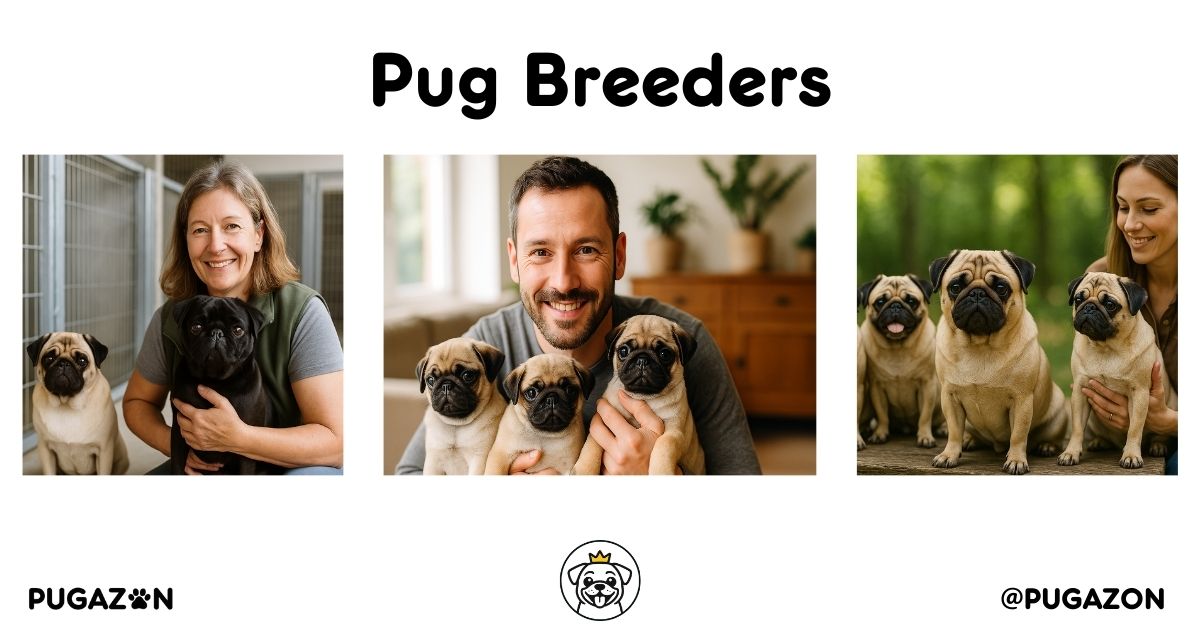
Finding trusted pug breeders is one of the most important steps before adding a pug puppy to your family. Responsible breeders dedicate their lives to improving the breed, ensuring every pug is healthy, well-socialized, and a perfect fit for the right home. Sadly, high demand has led to poor practices in some areas of the market, making it essential to know how to identify genuine, ethical breeders from those cutting corners.
This page is your complete guide to understanding what makes a reputable breeder, how to verify their practices, and where to start your search. We’ll also highlight the qualities of excellent breeders and connect you to trusted resources like Pugs for Sale and Pug Breeds Guide so you can make an informed choice.
What Makes a Reputable Pug Breeder?

Finding a good pug breeder can feel like navigating a maze of websites, promises, and puppy photos that all seem too good to be true. But a reputable breeder stands out the moment you start talking to them. They don’t just sell puppies; they’re protectors of the breed, carefully planning every litter to ensure health, temperament, and long-term wellbeing come first.
Below, you’ll discover how ethical breeders operate—and why their approach sets the gold standard for finding your perfect pug companion.
Health First – Beyond a Basic Vet Check
A great breeder’s dedication to health goes way deeper than a single vet visit. Imagine sitting down at their kitchen table and having them proudly open a folder of test results. Inside are:
- Breathing assessments for both parents, ensuring their noses and airways function well.
- Patella and hip evaluations, certified by a licensed vet, proving joint health.
- Detailed eye exam reports to prevent genetic vision issues common in pugs.
- DNA panels showing careful selection to avoid inherited diseases.
According to the American Kennel Club (AKC), breeders who invest in these screenings aren’t just doing their due diligence—they’re shaping the future of healthier pugs with every decision. A reputable breeder will gladly explain what each test means and how it improves the quality of their puppies.
A Puppyhood That Builds Confidence
Not all pug puppies grow up the same way. Some spend their first weeks in a noisy, loving home environment, learning that vacuums, TV chatter, and clinking dishes are nothing to fear. Others spend that time isolated in cramped, sterile spaces—and it shows later in shy or anxious behavior.
Ethical breeders take the time to shape confident, well-socialized little dogs. Expect to see:
- Puppies exploring clean, safe areas instead of staying in a pen 24/7.
- Age-appropriate toys and early problem-solving games.
- Gentle handling every day to build trust in human touch.
- A feeding routine that sets them up for a healthy weight.
As the Pug Dog Club of America notes, the first 8–10 weeks are crucial for a pug’s emotional development. A reputable breeder treats this period like an investment in your future bond with your dog.
Honesty Over Hype
Scroll through online listings, and you’ll find terms like “teacup pug,” “micro pug,” or “rare blue pug.” The reality? Most of these labels are marketing gimmicks. True professionals don’t breed for trends that compromise health or charge thousands more for coat colors that may come from questionable pairings.
A reputable breeder will happily explain:
- Which colors are natural and recognized by kennel clubs.
- Why “mini” pugs often come with health trade-offs.
- That temperament and sound structure always outweigh fads in responsible breeding.
This honesty builds trust. You know you’re dealing with someone whose focus is producing healthy, happy pugs—not chasing quick sales.
A Home, Not a Puppy Factory
The environment tells you everything. Ethical breeders raise litters where they can monitor, play with, and care for each pup individually. Expect to see:
- Clean spaces with fresh water, soft bedding, and proper ventilation.
- Calm, confident mothers nursing their pups without stress.
- Visitors welcomed at set times or offered live tours if distance is an issue.
Contrast this with setups where you’re asked to meet in a parking lot or view puppies only in photos. A good breeder takes pride in showing where their pups thrive before they meet their new families.
The Relationship Lasts a Lifetime
One of the clearest signs you’ve found a reputable breeder? They’re not done with you after the sale.
Great breeders become your guide for years to come, offering:
- First-week transition advice, from feeding to crate training.
- Recommendations for trusted vets, trainers, and even pug insurance.
- Take-back policies, ensuring their dogs never end up in shelters or unsafe homes.
- Ongoing support for questions about diet, wrinkles, eyes, and pug-specific quirks.
These breeders measure success not in sales but in happy, healthy pugs and lifelong connections with their owners.
Did You Know?
The AKC’s Responsible Breeder Program requires breeders to sign a code of ethics that puts welfare, health, and transparency first. Many of the best pug breeders go beyond this baseline—offering extra guarantees, enriched environments, and open-door policies for buyers to visit and learn.
Quick Link:
Once you know what a good breeder looks like, the next step is learning how to confirm those standards before you commit. Head to Section 3 – How to Vet Pug Breeders for step-by-step guidance, respectful questions to ask, and sample emails you can use.
How to Vet Pug Breeders Before Buying a Puppy

You’ve spotted adorable pug puppies online. The photos look perfect, the descriptions sound promising, but you’ve heard enough horror stories about scams and puppy mills to know you can’t rely on first impressions alone. The good news? Vetting a breeder isn’t about confrontation—it’s about conversation.
This section gives you a step-by-step roadmap to find trustworthy breeders and build a great relationship with them along the way.
Start With a Clear Game Plan
Before you send your first email, think about what you really want in a breeder and a puppy. It’ll make the search more focused and prevent impulsive choices.
Ask yourself:
- Is this puppy meant to be a family companion or do I want potential for shows or sports?
- Am I ready to wait on a list for the right breeder or do I need a puppy soon?
- Do I understand the total cost of ownership, not just the puppy price?
- Am I open to a mixed breed pug (like a Pugalier) if it fits my family better?
Breeder’s Tip: Serious breeders appreciate buyers who know what they want and are prepared for the commitment.
The First Email – Making a Strong Impression
Your opening message sets the tone. Ethical breeders prefer informed, respectful buyers. A clear, friendly email gets you noticed for the right reasons.
Example:
Hello [Breeder Name],
We’re researching reputable pug breeders because we want a healthy, well-socialized companion. We’re happy to wait for the right litter. Could you share:
• Parent health testing summaries (airway, patella, hips, eyes, DNA)
• A sample contract and health guarantee
• Your vaccination/deworming protocol and clinic details
• How your waitlist and puppy matching process works
Thank you for your time—we’d love to learn more about your program.
[Your Name] – [City, State]
A good breeder will welcome this email. They’ve invested in health testing and structured rearing and are proud to show it.
The First Call – Reading Between the Lines
Once you’ve exchanged emails, hop on a quick call. This is where tone and attitude matter. A reputable breeder won’t sound defensive or rushed. They’ll happily explain how they:
- Plan litters based on health results and temperament.
- Socialize puppies from day one with structured routines.
- Place pups thoughtfully rather than on a first-come, first-served basis.
- Prepare families with feeding, training, and health advice.
Red flag: Vague answers, reluctance to talk about testing or contracts, or a push for immediate deposits.
Document Review – Proof on Paper
Health and care standards live in Section 2, but here’s how to verify them politely:
- Ask for copies of parent health test results (with dates and clinic names).
- Request a sample contract—you should never pay a deposit before reading terms.
- Confirm vaccination and deworming schedules for the litter.
- For purebreds, check registration papers; for mixes, ask for full parent history.
Reputable breeders are transparent. If they hesitate to share documents, proceed cautiously—you’re not accusing, just ensuring clarity.
Photo & Video Tours – Virtual Transparency
Long-distance buyers can still vet breeders effectively:
- Ask for a short video of pups playing naturally, not staged photos.
- See the dam interacting with her litter—this reveals both temperament and environment quality.
- Check for clean areas, proper barriers, and age-appropriate enrichment.
Ethical breeders often offer live video tours, so you can ask questions in real time.
The Visit – In Person or Live
Whether you visit in person or virtually, the goal is the same: see the environment and meet the puppies.
Look for:
- Clean bedding, fresh water, and happy, healthy pups.
- Puppies that are curious but calm when handled.
- A breeder who confidently walks you through care routines, feeding schedules, and transition advice.
Good breeders may have biosecurity rules (e.g., handwashing, limited contact), showing they prioritize puppy health.
Recognizing Green Flags and Red Flags
Instead of focusing on what to avoid, pay attention to what good breeders do right:
- Provide documents upfront without hesitation.
- Explain breeding goals beyond appearance.
- Offer realistic timelines and set clear expectations.
- Provide ongoing support and a safety net for rehoming.
Be cautious if:
- Communication feels rushed or defensive.
- Deposits are requested before contracts.
- Multiple litters are constantly “ready now” with no discussion of planning or care.
Comparing Breeders – The Smart Buyer’s Table
After talking to several breeders, make it objective. Use a simple table to score each on:
Criteria | Breeder A | Breeder B |
Health tests provided | ✅ | ❌ |
Socialization plan shared | ✅ | ✅ |
Transparent contract | ✅ | ❌ |
Ongoing support offered | ✅ | ❌ |
Price fairness | ✅ | ✅ |
Rapport & communication | ✅ | ❌ |
Choosing a breeder shouldn’t be about urgency—it’s about fit, trust, and long-term support.
Preparing Yourself as a Buyer
The best breeders will ask questions too. Be ready to show you’re serious:
- Have a vet appointment lined up within 72 hours of pickup.
- Purchase essentials early (see Pug Grooming Products and Pug Training Products).
- Arrange safe transport, especially avoiding hot-weather risks.
- Discuss family rules and training consistency in advance.
Expert Note: According to the ASPCA, responsible breeders value long-term commitment. They want to know their pups are joining stable, loving homes.
Next Step: Once you’ve found a breeder who meets your standards, move on to Section 5 – Pricing, Deposits & Contracts to learn how to finalize the agreement safely and fairly.
Registries & Breed Standards: What Papers Really Mean for Pug Breeders
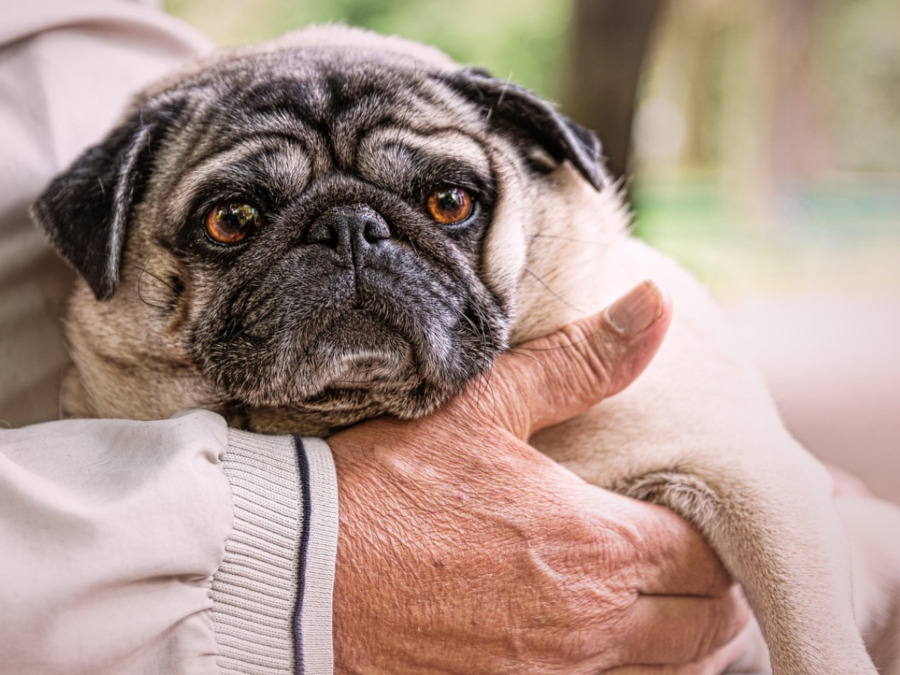
If you’ve been researching pug breeders, you’ve likely seen phrases like “AKC registered” or “pedigree champions.” It sounds impressive—but what does it really tell you about your future puppy? And just as importantly, what doesn’t it guarantee?
This section cuts through the jargon, explaining how registries, pedigree papers, and breed standards work in the real world—and how responsible breeders use them to support transparency and quality, not just as a sales hook.
Registration Papers – A Record, Not a Health Certificate
Picture this scenario:
You’re visiting a breeder who proudly hands you a document stamped with “AKC Registered.” It lists the puppy’s parents, their lineage, and breeder details. That’s great—it confirms the pup is recorded as a purebred pug with a recognized registry.
But here’s the catch: registration alone doesn’t prove the puppy is healthy, ethically bred, or well-socialized. It simply means the puppy comes from parents registered with the same organization.
What it DOES give you:
- Traceable lineage and ancestry.
- Eligibility for kennel club events (shows, companion sports, etc.).
- Transparency about breeding program history.
What it DOESN’T guarantee:
- Health testing for genetic issues.
- Responsible rearing practices.
- Temperament suitability for family life.
Expert Insight (AKC Responsible Breeding Program): “Registration documents are a starting point—not an end point—for understanding a breeder’s commitment to the breed.”
Understanding Major Registries and Clubs
AKC (American Kennel Club) – The largest U.S. purebred registry with strict rules on record-keeping and event eligibility.
PDCA (Pug Dog Club of America) – A pug-specific organization focused on breed health, education, and ethical breeding codes.
The Kennel Club (UK) – The UK’s main registry, with similar pedigree tracking and show standards.
Good breeders often:
- Register litters to document lineage.
- Participate in club events for feedback on structure and temperament.
- Follow codes of ethics for welfare and health.
But they don’t stop there. They pair registration with:
- Documented health tests (see Section 2).
- Thoughtful, planned pairings for temperament and soundness.
- Enriched environments for proper socialization.
Show Breeders vs. Ethical Pet-Focused Breeders
Not every ethical breeder shows dogs, and not every show breeder is automatically right for you. Here’s the difference:
Breeder Type | Focus Areas | What to Ask |
Show-Active Breeder | Conformation to breed standard, structure, sometimes titles. | “How do you balance show goals with health and temperament?” |
Pet-Focused Breeder | Companion homes first, temperament, welfare above ribbons. | “Which traits are you most proud of in your breeding program?” |
The best breeders in either category follow the same core pillars: health tests, transparent records, ethical rearing, and lifetime support. Ask them how they apply breed standards to create balanced, healthy pugs—not just how many trophies their dogs have.
Pedigrees & COI – Why Lineage Data Matters
Pedigrees show more than names—they reveal how breeders manage diversity and risk in their lines.
- COI (Coefficient of Inbreeding): Lower COI generally means greater genetic diversity, reducing the likelihood of inherited issues.
- Titles in lineage: May reflect structure, temperament, or working ability, but are not substitutes for testing or ethics.
- Longevity and health notes: Good breeders know family history beyond paper—stories of grandparents, behavior, and health patterns.
A responsible breeder will explain:
- Why they chose this pairing (balancing structure, health, and personality).
- How pedigree data guides decisions, not just registration rules.
Papers or Health – Which Comes First?
If you have to choose, health and welfare always outweigh registration.
- Registration is a record-keeping tool.
- Health tests, responsible pairing, and enriched rearing directly impact your pug’s life.
The ideal breeder offers both: a well-documented, traceable lineage and a commitment to improving pug health generation by generation.
Using Registry Directories Without Getting Lost
Searching “pug breeders near me” can feel like opening a firehose of results. Instead of relying on unverified ads:
- Start with national club breeder directories (AKC, PDCA).
- Use them to find local breeders, then apply the vetting steps in Section 3.
- If traveling far, ask about safe transport or owner-present flights. Reputable breeders will have protocols to keep puppies safe on the journey home.
Responsible Marketing – How Good Breeders Present Their Program
Ethical breeders rarely rely on flashy ads. Instead, you’ll notice:
- Detailed information on health tests, socialization, and parent temperament.
- Honest explanations of coat colors and physical traits.
- Clear pricing with what’s included, from microchip to early training.
- A focus on matching families, not selling the “last puppy left.”
These breeders attract buyers through reputation and referrals, not gimmicks.
Did You Know?
The PDCA’s Breeder Code of Ethics states that breeders must place dogs only with approved homes, disclose known conditions, and take back dogs if needed. These values are often shared across reputable clubs worldwide, showing that papers mean more when paired with true accountability.
Quick Link:
Registration and pedigree are helpful tools, but they’re not the whole story. Once you’ve found a breeder who checks these boxes, move to Section 5 – Pricing, Deposits & Contracts to understand fair agreements and what should always be in writing.
Pug Breeder Pricing, Deposits & Contracts

Money talk can be uncomfortable—but when it comes to buying a pug puppy, transparency is a sign of professionalism. A great breeder knows their worth and isn’t afraid to explain exactly where your investment goes. A poor breeder? They’ll dodge questions, change numbers midstream, or make you feel rushed to pay before you’re comfortable.
This section breaks down what fair pricing looks like, how deposits and waitlists really work, and what you should expect in a written contract that protects both you and your puppy.
Why Good Breeders Charge More—and Why It’s Worth It
If you’ve seen puppies advertised for vastly different prices, you’re not alone. Here’s the truth: responsible breeding costs a lot.
Every puppy from a reputable breeder comes with months (even years) of investment before you ever meet them. This includes:
- Comprehensive health tests for parents (see Section 2).
- Multiple vet checks, vaccinations, and parasite prevention.
- High-quality food for mom and pups.
- Time spent on socialization, handling, and early training.
- Microchipping, registration paperwork, and starter supplies.
Ethical breeders aren’t selling puppies—they’re building families and safeguarding a breed’s future. Expect realistic pricing that reflects this effort, not bargain-bin deals or inflated “rare color” markups.
Buyer Tip: A price that seems “too good to be true” often is. Cheap pups usually mean corners were cut on health, care, or ethics.
Understanding the Range
In most regions, purebred pugs from a health-tested, responsible breeder will cost more than unverified online listings. While numbers vary by country and breeder reputation, transparent pricing comes with clear inclusions:
- Vaccinations and deworming records with vet clinic info.
- A signed health guarantee and written contract.
- Microchip registration.
- Support before and after pickup.
- A starter pack (food, familiar blanket, care guide).
Ask for a price breakdown if you’re unsure. Great breeders won’t mind explaining how your investment supports the puppy’s health and future.
Deposits & Waitlists – How It Works With Professionals
Most ethical breeders operate on a waitlist. Puppies are not a “buy now” item; they’re carefully planned and matched to families. Here’s what to expect:
- A modest deposit (often refundable under specific conditions) to reserve your spot.
- A clear explanation of selection order and timing.
- The ability to review contracts and health results before paying anything.
What good breeders won’t do:
- Demand full payment before you’ve seen documentation or met the puppies.
- Add surprise fees later.
- Pressure you with “this puppy will be gone if you don’t send money now.”
Deposits are meant to secure your place, not make you feel trapped.
The Contract – Your Puppy’s Safety Net
A contract isn’t just legal jargon—it’s a promise between breeder and buyer. It should outline:
- Health guarantees and what they cover.
- Your responsibility to have a vet exam within a set timeframe.
- A return or rehoming policy if life circumstances change.
- Spay/neuter expectations or breeding rights agreements.
- Registration or pedigree information for purebreds (or parent history for mixes).
- Disclosure of any known medical conditions or special care needs.
Good breeders give you time to read the contract and answer every question. If terms are vague, pushy, or missing entirely, proceed with caution.
Breeder’s Tip: “Contracts protect my puppies, not just me. They set expectations and make sure every pug gets the care it deserves.”
Health Guarantees – Realistic and Fair
A strong guarantee focuses on congenital and hereditary conditions, with remedies clearly stated. For example:
- Contribution to veterinary costs if an issue is diagnosed early.
- Option for a replacement puppy in future, under agreed terms.
- Refund in specific circumstances (outlined in writing).
Beware of empty promises: Guarantees that sound amazing but have loopholes are no guarantee at all. Look for specifics—diseases named, timeframes set, and process explained.
Refunds, Returns & Breeder Take-Back Policies
Life can change unexpectedly. Reputable breeders include a take-back clause or offer to help rehome your pug if needed. It’s not about money—it’s about ensuring no dog from their program ends up abandoned or in a shelter.
Refunds usually apply only in defined health cases, documented by a licensed vet. This is normal and fair.
Payment Methods & Receipts
Ethical breeders:
- Accept traceable payments (bank transfer, secure processor).
- Provide receipts for deposit and final balance.
- Outline the payment schedule in writing before you commit.
If you’re asked for cash only with no documentation or pressured into using unprotected payment methods, pause the process until you have clarity.
Pickup and Transport – Protecting a Heat-Sensitive Breed
Pugs can’t tolerate heat well, especially during stressful travel. Responsible breeders will:
- Encourage in-person pickup when possible.
- If flying, insist on owner-present cabin travel, not cargo.
- Avoid high-temperature travel windows.
- Provide a detailed travel plan, including feeding, water, and emergency contacts.
Expert Note: The ASPCA recommends avoiding unaccompanied flights for brachycephalic breeds due to increased respiratory risk.
Buyer-Breeder Communication – Keeping It Friendly and Clear
Money conversations don’t have to feel awkward. Keep language polite, professional, and open-ended:
- “Could you send me the sample contract and deposit details so I can review before sending payment?”
- “I appreciate the transparency on costs. Could you confirm what’s included in the price?”
- “We’d like to plan safe pickup and have insurance ready—could you outline your preferred payment schedule?”
Good breeders appreciate informed, respectful buyers. It makes the partnership stronger from day one.
Quick Link: Once you’re comfortable with pricing and the contract, the next step is choosing your puppy and planning the big day. Head to Section 6 – Avoiding Puppy Mills & Online Scams to learn how to protect yourself from unethical sellers and recognize trustworthy breeders instantly.
Avoiding Puppy Mills & Online Scams – Staying Safe While Finding a Pug Breeder

The rise in online puppy ads has made it easier than ever to find pugs for sale—but it’s also opened the door for scammers and unethical breeders to take advantage of eager buyers. The good news? Once you know the signs, it’s surprisingly easy to tell the difference between a reputable breeder dedicated to pugs and a bad actor looking to make a quick profit.
This section gives you real-world examples, red flags to watch for, and the “green flag” behaviors you’ll see from trustworthy breeders, so you can move forward with confidence.
What Exactly Is a Puppy Mill?
Puppy mills aren’t just large-scale breeding operations—they’re any setup where profit trumps welfare. This can mean:
- Overbreeding mothers with little recovery time.
- Minimal or no health testing.
- Puppies raised in overcrowded, stressful, or unsanitary conditions.
- Selling to anyone, no questions asked, often with no contract or guarantees.
Dogs from mills often face long-term health and behavior issues, costing families thousands in vet bills and heartbreak.
Reputable breeders, by contrast:
- Plan each litter carefully.
- Limit numbers for proper care.
- Invest heavily in health, socialization, and support.
Expert Note (Humane Society): “Puppy mills exist at all scales. A reputable breeder’s hallmark is transparency and proof of care—not just a pretty website.”
Common Online Scam Tactics
Scammers know how to tug at your heartstrings and wallet. Watch out for:
- Suspiciously low prices or “free pug, just pay shipping.”
- Stock photos that appear on multiple sites or reverse image search results.
- No phone calls or video chats allowed, only text/email.
- Pressure for instant deposits via untraceable methods like gift cards or wire transfers.
- Promises of unrealistic traits (micro-teacup, hypoallergenic pugs, extremely rare colors) without health documentation.
Scammers prey on urgency and emotion. If something feels off, slow down. Legitimate breeders won’t rush you.
How Ethical Breeders Instantly Set Themselves Apart
It’s not just about avoiding bad breeders—it’s about recognizing good ones quickly:
- They welcome questions and provide health test results freely.
- They offer live video tours or in-person visits to see puppies and parents.
- They have a contract ready for review before any payment is made.
- They explain pricing, deposits, and waitlists calmly and clearly.
- They share care tips for pugs even before you commit, showing genuine passion for the breed.
These are the breeders you want to build a long-term relationship with—the ones who see every puppy as a lifetime responsibility, not a transaction.
The “Green Flag vs. Red Flag” Table
Scenario | Green Flag (Trusted Breeder) | Red Flag (Mill or Scam) |
Communication | Prompt, open, respectful dialogue. Phone/video chats welcome. | Limited to text, no calls or live proof offered. |
Documentation | Health tests, vet records, contract shared upfront. | Excuses for missing paperwork or “we’ll give it later.” |
Environment | Puppies seen with dam, clean and enriched spaces. | Meetups in parking lots or “can’t visit the home.” |
Pricing | Transparent, includes vet care, microchip, guarantees. | Lowball offers or big price hikes mid-process. |
Deposit | Small, refundable under clear terms. | Immediate full payment demanded via untraceable methods. |
Marketing | Focus on health, temperament, proper matching. | Overemphasis on “rare color,” “mini,” or “designer” hype. |
Use this table to guide questions. When in doubt, ask politely for clarity. Good breeders won’t mind—bad ones usually disappear.
Safe Steps for Online Searches
If you’re starting online:
- Stick to national club breeder directories (AKC, PDCA) for verified programs.
- Join local pug clubs or forums where members share trusted contacts.
- Use Google Maps and reviews to verify breeder locations.
- Request a live video walkthrough before paying anything.
- Always have a written contract before sending deposits.
Reporting Scams or Unethical Sellers
You can help protect other buyers:
- Report online scams to the platform (Facebook Marketplace, Craigslist, etc.).
- Contact the AKC or PDCA if a breeder misuses their name or claims false affiliation.
- Alert local animal control or humane organizations for welfare concerns.
Reputable breeders welcome regulation because it drives out bad actors and raises standards for everyone.
Why Ethical Breeders Are Your Best Protection
When you partner with a trusted breeder:
- You know where your puppy came from and can meet the dam (and sometimes sire).
- You get health-tested parents, early care records, and lifetime support.
- You avoid heartbreaking medical issues caused by poor practices.
- You build a relationship with someone who shares your passion for pugs and will guide you for years to come.
Good breeders are proud of their work and want you to feel 100% confident. They’ll never make you feel guilty for asking questions—they expect it.
Did You Know?
Many top pug breeders will turn away buyers they don’t feel are a good fit—not because they don’t want to sell, but because they value placing puppies in the right home above making a sale. That’s the kind of care you’re looking for.
Quick Link:
Once you know how to spot scams and mills, you’re ready to move forward safely. Head to Section 7 – Finding Pug Breeders Near You for practical ways to search locally without endless “thin” location pages.

Last update on 2025-02-12 / * Affiliate links / Image source: Amazon Product Advertising API
Finding Pug Breeders Near You – Smart, Safe, and Successful Searches
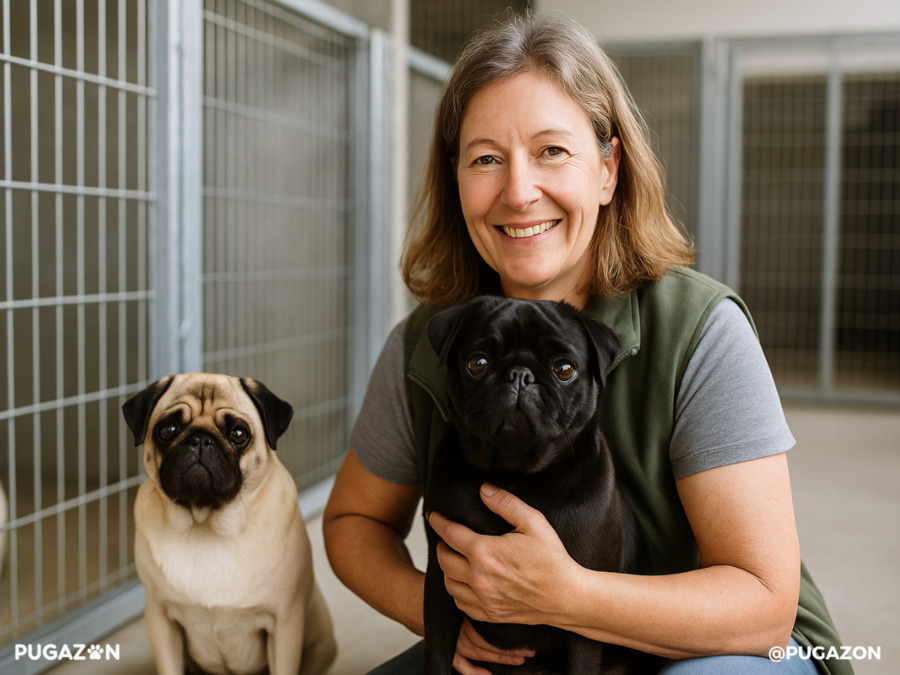
Typing “pug breeders near me” into Google can feel like opening Pandora’s box. You’ll find everything from polished websites to vague Facebook posts—and it’s hard to tell what’s genuine. The goal isn’t just to find a breeder nearby, but to connect with a breeder who values their dogs, supports owners, and is transparent about their practices.
Here’s how to search locally like a pro, avoid dead-end leads, and make the process smoother for everyone involved.
Start with Trusted Directories (and Skip the Guesswork)
The fastest way to filter out questionable listings is to begin with established registries and clubs, such as:
- AKC Marketplace – lists breeders who have registered litters with the AKC.
- Pug Dog Club of America (PDCA) breeder directory – includes breeders who have agreed to a code of ethics.
- Regional pug clubs (search “pug club [your state]”) often maintain up-to-date breeder lists and upcoming litter announcements.
These platforms don’t guarantee perfection, but they raise the bar compared to random online ads. Each listing usually links to contact details and sometimes outlines the breeder’s health testing and socialization standards.
Use Local Vets and Pug Enthusiast Networks
Sometimes the best recommendations don’t come from Google at all. Try:
- Calling local veterinarians and asking if they know any breeders they’d personally trust.
- Joining pug meetups or breed-specific Facebook groups in your area to see which breeders are consistently praised by actual owners.
- Checking with local rescues; while they focus on adoption, they often know reputable breeders through referrals.
Word-of-mouth can connect you to breeders who don’t advertise heavily because they already have waiting lists from repeat families.
What to Ask Before Scheduling a Visit
Once you’ve found potential breeders near you, screen them briefly before committing to a drive. A quick message or call can save time:
- “Could you tell me about your health testing for parents?”
- “Do you have a waitlist, and when is your next planned litter?”
- “Do you offer in-person visits or live video tours?”
- “What’s included in your puppy contract and health guarantee?”
Ethical breeders appreciate prepared buyers and often prioritize families who ask thoughtful questions, even if they’re not first on the list.
Travel Can Be Worth It
Don’t limit yourself to breeders within a few miles if local options seem questionable. Expanding your search radius gives you access to:
- Highly respected breeders with proven health programs.
- Puppies raised in ideal conditions, even if it means a short flight or road trip.
- Breeders who allow owner-present cabin travel to safely bring your puppy home.
Good breeders help with logistics, recommending pet-friendly accommodations, safe travel times, and post-pickup vet visits nearby.
Buyer Tip: A trusted breeder a few hours away is far better than settling for a nearby breeder who can’t meet health or welfare standards.
Avoid “Backyard Sellers” and Parking Lot Meetups
Red flag setups often:
- Refuse home visits or even video calls.
- Offer multiple “ready now” litters with no background info.
- Suggest public meetups instead of showing you where puppies were raised.
- Give no paperwork or vague answers about parent health.
Responsible breeders take pride in showing you their setup (with biosecurity measures as needed). If you’re asked to meet in a parking lot or someone’s car, politely decline and keep searching.
Finding Breeders Without Thin Location Pages
You don’t need dozens of “pug breeders [city name]” web pages to find local options. Instead:
- Use state or regional directories and apply Section 3’s vetting steps.
- Search for pug clubs and breeder events in your area.
- Attend dog shows or pug meetups to meet breeders in person and ask questions.
- Bookmark Pugazon’s Pugs for Sale hub—we consolidate vetted breeder leads and adoption links without “thin” duplicate pages.
Building Relationships Early
Ethical breeders rarely have puppies “on the shelf.” They plan ahead, keep waitlists, and prefer to know families before litters are born. Starting the relationship early:
- Gives you time to learn their process and expectations.
- Lets you ask about upcoming pairings to choose the right fit.
- Helps breeders match you with a puppy’s temperament, not just appearance.
Patience pays off—you’ll get a healthy, well-matched pug and a breeder who’s there for you for life.
Did You Know?
Many top breeders only produce one or two litters a year, sometimes less. This ensures maximum care, proper socialization, and time to support every family. If you find a breeder with constant litters ready for sale, it’s a sign to dig deeper before committing.
Quick Link:
Once you’ve found a local breeder who meets your standards, use Section 3 – How to Vet Pug Breeders to guide your questions, and head to Pugs for Sale for vetted breeder and adoption resources.
Pug Mix Breeders – Making Responsible Choices

Designer dogs. Crossbreeds. “The best of both worlds.”
You’ve probably heard it all when it comes to pug mixes like the Pugalier (Pug × Cavalier) or Pugador (Pug × Labrador). And while many of these combinations can make wonderful companions, the same breeding rules apply—sometimes even more strictly.
A mix isn’t automatically healthier or better behaved than a purebred pug. A responsible mix breeder takes every bit as much care with health testing, planning, and placement—and sadly, not all breeders do. Here’s how to find the ethical ones and avoid the hype.
The Truth About Pug Mixes
Some online ads suggest that a pug mix is a “healthier version” of a pug or a quick fix for common breed issues. The reality is more nuanced:
- Mixing breeds can add genetic diversity, but only if both parents are well-screened for hereditary conditions.
- Poorly planned crosses may double up on health problems instead of solving them (e.g., combining two breeds with breathing issues).
- Ethical breeders of mixes follow the same standards as purebred programs—sometimes even going further to manage hybrid-specific risks.
Expert Note (PetMD): “A crossbreed’s health is only as good as the health of its parents. Responsible breeders screen for problems on both sides, not just one.”
Health Testing Is Non-Negotiable
When it comes to mix breeding, cutting corners on health testing is risky. Here’s what to expect from reputable breeders:
- Full panels for both breeds, not just pug tests.
- Breed-specific screenings (e.g., Cavalier parents in a Pugalier cross need clear heart exams to prevent congenital issues).
- Documented BOAS assessments to reduce respiratory challenges.
- Orthopedic checks for hips, knees, and joints, which can be affected in many breeds.
- Transparent vet reports with clinic names, dates, and genetic results for both parents.
If a mix breeder can’t provide this information for both parents, treat it as a serious red flag.
Ethical Reasons for Crossbreeding
Good breeders don’t create mixes just because they’re trendy. They usually have:
- A clear temperament goal (e.g., adding the Cavalier’s gentle nature to the pug’s playful charm).
- A health-driven pairing (avoiding overlapping risks, improving structure or breathing).
- A responsible placement plan to ensure every puppy has a vetted, prepared home.
- Limited, planned litters, not frequent “designer dogs” for fast sales.
They can explain why they made this pairing and what they’re aiming to improve—not just “because it’s cute.”
Spotting Designer Dog Hype
Some “breeders” lean on buzzwords instead of welfare:
- “Rare color” or “micro mini” pugs or mixes sold at inflated prices.
- Promises of “non-shedding” or “hypoallergenic” pugs (there’s no such thing).
- Mass online listings with multiple mix types from the same seller.
- No health paperwork, no contract, no waitlist, but “ready now” puppies in bulk.
These are puppy mill signals dressed up as designer dog ads. Run, don’t walk.
How to Vet a Mix Breeder
The process is the same as with purebred breeders (see Section 3), but with extra questions:
- What health conditions were tested for both breeds?
- How do you manage potential size or breathing mismatches?
- What’s your experience raising this specific mix, and what’s the temperament track record of past litters?
- Do you provide long-term support for mix-specific training or health advice?
Ethical breeders love these questions. They want you to understand the complexities of their program.
Pugalier Breeders – A Popular Mix with High Demand
Pug × Cavalier King Charles Spaniel crosses have become incredibly sought after for their gentle, affectionate temperaments. But popularity attracts inexperienced breeders too. A reputable Pugalier breeder will:
- Conduct heart health testing on Cavalier parents (mitral valve disease is common).
- Perform BOAS checks on pugs to improve breathing quality in the mix.
- Focus on balanced personalities, avoiding anxious or overly stubborn traits.
- Provide transparent contracts, records, and aftercare support.
When done responsibly, a Pugalier can be a fantastic family dog. Without careful breeding, you may inherit both breeds’ worst issues combined.
Adoption or Rescue – A Worthy Alternative
Many pug mixes end up in rescue organizations due to poor initial placements or backyard breeding. If you’re open to adoption:
- Check local pug rescues or mixed-breed rescues for available pups.
- Work with reputable organizations that provide health checks and foster notes about temperament.
- Consider adoption if you’re not particular about pedigree or puppy stage.
Ethical breeders support rescue efforts—they want every pug, mix or purebred, to end up in a safe, loving home.
The Bottom Line on Mix Breeders
- Health testing and transparency are even more critical with mixes.
- A good breeder has a specific, thoughtful reason for crossbreeding, not just demand.
- Avoid sellers using “designer” hype without proper documentation.
- Whether purebred or mix, responsible breeding looks the same: welfare first, puppies carefully placed, lifetime support provided.
Did You Know?
Many unethical breeders market mixes as healthier without evidence. A 2019 veterinary study found that crossbreeds inherit just as many genetic diseases as purebreds unless both parents are properly tested. Health testing isn’t optional—it’s the foundation of good breeding.
Quick Link:
Interested in a Pugalier? Visit our dedicated page on Pugalier Breeders for in-depth guidance and vetted resources. For other pug mixes, use our Pug Breeds Guide to learn the unique considerations before choosing a breeder.
Preparing for Your Puppy – From Breeder to Forever Home

Bringing home a pug puppy isn’t just exciting—it’s life-changing. But even with the best breeder support, those first few days and weeks can feel overwhelming if you’re not ready. Preparation is the difference between a smooth transition and a stressful one, for both you and your new four-legged family member.
This section walks you through what to expect, how to prepare, and the breeder-approved tips that make those first moments magical instead of messy.
Before Pickup – Setting the Stage
Most reputable breeders will give you a countdown plan before pickup day. Use this time wisely:
- Vet appointment booked: Schedule your pup’s first check-up within 48–72 hours of arrival. Ethical breeders often require this as part of the contract.
- Insurance lined up: Many breeders recommend starting coverage the day you bring your pug home, since vet bills can appear unexpectedly.
- Space prepared: A crate or pen in a quiet corner, food and water bowls, soft bedding, and safe toys ready to go.
- Family meeting: Agree on rules for feeding times, potty training cues, and sleeping arrangements so the puppy gets consistent guidance.
Breeder’s Tip: “Your home should feel safe and calm from the moment your puppy arrives. Chaos in the first days can create lasting stress.”
The Puppy Pickup Experience
Reputable breeders usually arrange a pickup appointment, not a rushed handoff. Expect:
- A calm environment where you can meet the dam, handle your puppy, and ask final questions.
- A folder of documents: health records, vaccination schedule, microchip info, and a copy of the signed contract.
- Feeding instructions, including brand, portion sizes, and transition advice if you want to switch foods later.
- A familiar-scent blanket or toy from the breeder’s home to ease the puppy’s journey.
If you’re traveling far, discuss heat-safe transport ahead of time. Pugs are brachycephalic (short-nosed) dogs, meaning they’re prone to overheating and breathing stress during long trips. Many breeders help plan frequent breaks, cool car setups, or owner-present flights for longer journeys.
The First 24 Hours at Home
Think of day one as your pug’s “soft landing.” They’ve just left everything familiar—their mom, littermates, smells, and sounds. Expect:
- Tiredness and confusion: They may nap more or explore cautiously.
- Accidents: New spaces mean new potty rules; be patient.
- Clinginess: Sleeping close to you or crying at night is normal during the first few days.
Keep the environment quiet and predictable. Limit visitors, loud noises, and overwhelming handling. Your goal is to build trust and security.
Establishing Early Routines
Pugs thrive on consistency. Within the first week:
- Set a feeding schedule (same times daily).
- Take frequent potty breaks, especially after meals, naps, or play sessions.
- Begin crate training gently—short periods with comfort items and positive reinforcement.
- Introduce basic commands (“sit,” “come”) using tiny treats and praise.
- Create a safe space where the puppy can retreat if overstimulated.
Expert Note (ASPCA): “Structured routines help puppies feel safe, reduce anxiety, and speed up housetraining.”
Health, Hygiene, and First Vet Visits
Your breeder’s vet work is just the starting point. Within the first week:
- Have a full puppy check-up, bringing all breeder-provided records.
- Discuss vaccination schedules, deworming, and future spay/neuter timing.
- Learn how to clean pug wrinkles and eyes, as these areas are prone to infections.
- Ask about early weight management to avoid obesity, a common pug issue.
Stock up on essentials like pug-safe wipes, nail clippers, and a gentle puppy shampoo (see Pug Grooming Products).
Socialization Starts Early – But Safely
Between 8–16 weeks, puppies experience a critical learning window:
- Gradually expose your pug to household sounds, gentle visitors, car rides, and leash walks.
- Avoid dog parks or unknown dogs until vaccinations are complete.
- Pair every new experience with treats and praise, building positive associations.
Ethical breeders often provide a “socialization checklist”—keep following their plan to raise a confident, happy pug.
Essential Starter Products
Before bringing your pug home, have these ready:
- Harness and leash: Avoid collars for walks due to pug’s sensitive airways.
- Crate or puppy pen: For safety and potty training.
- Slow-feeder bowls: Helps prevent gulping food and choking.
- Cooling mat or fan: Critical for hot days, as pugs overheat easily.
- Training treats: Small, soft, and pug-friendly.
Check our curated lists of Training Products and Grooming Products for breeder-approved recommendations.
The Emotional Side – Adjusting Together
Bringing home a puppy is exciting, but also emotional for both sides:
- Expect a bonding period where your pug learns to trust you.
- Keep in touch with your breeder—they often love getting updates and can offer tips if things feel overwhelming.
- Remember that early struggles (crying at night, potty mistakes) are normal and pass with time, patience, and routine.
A great breeder doesn’t just hand you a puppy—they give you a support system for life. Lean on it whenever you need guidance.
Did You Know?
Studies show that puppies who transition gradually, with clear routines and breeder guidance, have fewer behavioral issues as adults. Preparation is one of the best investments you can make in your pug’s lifelong happiness.
Quick Link:
For a smooth adoption journey, start by choosing the right breeder. See Section 3 – How to Vet Pug Breeders, and when ready, visit Pugs for Sale for vetted breeder and adoption listings.
Ready to Find Your Pug? Start with Expert Guidance
Finding the right pug isn’t about rushing to the first ad you see—it’s about making an informed decision that sets you and your future companion up for success. Now that you know how to identify a reputable breeder, the next step is to explore your options safely and confidently.
That’s where our Pugs for Sale guide comes in—not a list of random sellers, but a comprehensive resource to help you navigate the process of buying or adopting a pug the right way.
What You’ll Learn in Our Pugs for Sale Guide
- Where to start your search: Reputable breeder directories, pug clubs, and adoption networks that value welfare over profit.
- How to compare breeders and rescues: Practical, fact-based tips to help you spot genuine care programs vs. flashy ads.
- Costs and contracts explained: Realistic price ranges, what’s included, and how fair deposits and guarantees work.
- Regional and travel considerations: Finding the right breeder near you or planning a safe journey for your pug puppy.
- Adoption as an alternative: How reputable rescues work, what to expect from their process, and how to prepare for a rescue pug.
This guide will act as your roadmap, cutting through noise, scams, and unethical sellers while giving you direct access to fact-checked resources and expert advice.
Why Start Here, Not Elsewhere?
- No thin listings: We don’t spam you with “pug breeders [city]” pages. Instead, we consolidate credible sources and expert recommendations.
- Education first: We teach you how to vet breeders and rescues yourself, empowering you to make safe, ethical choices.
- Trusted connections: We highlight organizations and breeder networks that meet the standards outlined in this guide.
Your Next Step
👉 Head over to Pugs for Sale and explore our upcoming long-form guide.
It’s designed to equip you with knowledge, not just names, so when you finally meet your future pug, you’ll know you’ve made the right choice—for you, and for the puppy.
Frequently Asked Questions About Pug Breeders
A reputable breeder focuses on health, temperament, and welfare over profit. They conduct full health testing on parents, raise puppies in enriched home environments, and provide transparent records, contracts, and lifetime support. See Section 2 for the gold-standard checklist.
Start with trusted directories like AKC Marketplace and Pug Dog Club of America listings, or ask local vets and pug owner networks for referrals. Avoid random classified ads. Use Section 7 for step-by-step search strategies.
Key questions include:
- What health testing was done on both parents?
- Can I see medical records and a sample contract?
- How do you socialize puppies before they go home?
What support do you provide after adoption?
Find more polite, professional scripts in Section 3.
No. These terms are marketing gimmicks, often tied to unhealthy breeding practices like underfeeding or irresponsible pairing. True pugs are a single recognized size, though weight varies slightly. Ethical breeders never advertise “teacup pugs.”
Prices vary by region but usually reflect:
- Health tests for parents
- Veterinary care, microchipping, and early socialization
Proper nutrition and enrichment
Expect higher prices from breeders who invest in welfare, with full transparency on what’s included (see Section 5).
Not necessarily. Registration documents confirm lineage, not health. A registered pug can still have inherited issues if parents weren’t screened. Health testing and welfare standards are far more important (see Section 4).
Breeders give you more predictability on genetics and early socialization, especially when you want a puppy. Adoption saves a dog in need and can be an excellent option for families flexible on age or background. Ethical breeders support both paths, and we link to adoption options in Pugs for Sale
Some are—but the same rules apply. Both parent breeds need full health screening, thoughtful pairing, and responsible placement. Beware of “designer dog” hype with no documentation. See Section 8 for details on vetting mix breeders.
Yes. A fair contract typically includes:
- A short-window vet exam requirement
- Defined remedies for congenital/hereditary conditions
A take-back policy if rehoming is ever needed
Avoid breeders who refuse contracts or offer vague promises
Anywhere from a few weeks to over a year for high-quality breeders with limited, carefully planned litters. Good breeders won’t rush you—they focus on placing puppies in the right homes, not selling fast
Watch for:
- No health records or contract
- Refusal to allow visits or video tours
- Multiple “ready now” litters
- Pushy sales tactics and instant payment demands
See Section 6 for a red flag vs. green flag comparison table.
If possible, yes. Seeing the environment where puppies are raised tells you more than any ad. For long-distance breeders, request a live video tour. Ethical breeders are happy to provide transparency (see Section 3).
Most reputable breeders release puppies at 8–10 weeks, once they’ve had initial vaccines, weaning, and crucial social development with their litter and mother. Avoid sellers offering very young pups
A fair price often covers:
- Vet checks and vaccinations
- Microchip and registration paperwork (if purebred)
- Starter food, blanket, and care instructions
A written contract and health guarantee
Always ask for a detailed breakdown (see Section 5).
Yes, small deposits are common to secure your place on a waitlist. They should be:
- Modest in size
- Clearly refundable under specific conditions
Paid only after reviewing contracts and documentation
Have the essentials ready:
- Crate or puppy pen
- Harness, leash, slow-feeder bowls
- Pug-safe wipes and grooming supplies
- A quiet corner for naps and downtime
For a full transition guide, see Section 9.
The best ones do. They offer lifetime support, rehoming help, and guidance on diet, training, and health. If a breeder disappears after the sale, it’s a sign they were never fully invested in their puppies’ welfare.
Start with our Pugs for Sale hub. We connect you to reputable breeders, rescues, and adoption organizations, cutting through low-quality listings and helping you start your journey with confidence.
🔗 Planning to adopt a fawn pug? Check out our Pugs for Sale Guide for advice on finding well-socialized puppies from reputable sources.
References
We’ve built this guide using verified, expert-backed information from leading organizations in canine health, responsible breeding and pug welfare. Use these references to dive deeper, verify facts, or explore further reading on finding ethical pug breeders.
Pug Breed Clubs & Organisations
- Pug Dog Club of America (PDCA) – Breeder Referral
https://www.pugdogclubofamerica.com/breeders
Veterinary & Health Resources
- American College of Veterinary Surgeons (ACVS) – Brachycephalic Airway Syndrome
https://www.acvs.org/small-animal/brachycephalic-syndrome/ - Orthopedic Foundation for Animals (OFA) – Health Testing & Certifications
https://ofa.org - Canine Health Information Center (CHIC) – Breed-Specific Health Screening Guidelines
https://ofa.org/chic-programs/
Ethical Breeding & Buyer Guidance
- Humane Society of the United States – How to Find a Responsible Dog Breeder – https://www.humaneworld.org/sites/default/files/docs/find-responsible-dog-breeder.pdf
- ASPCA – Puppy Mill FAQs & Responsible Breeder Checklist
https://www.aspca.org/barred-from-love/puppy-mills - Better Business Bureau – Avoiding Online Pet Scams
https://www.bbb.org/all/petscams
Disclaimer:
Pugazon provides informational resources only and does not endorse individual breeders or have ties to any oprganisation promoted. Always apply vigorous vetting steps and seek advice from licensed veterinarians or certified canine professionals before purchasing or adopting a pug.