Last updated on February 12th, 2026
- Intro
- History & Origins of The Chug Breed
- Recognition & Breed Status
- Physical Traits of Chugs
- Temperament & Personality of Chugs
- Health, Risks & Longevity of Chugs
- Care, Diet & Grooming for Chugs
- Ethical Buying & Adoption Considerations
- Fun Trivia About Chugs
- Tiny Dog, Big Attitude
- Unpredictable Looks
- Lap Dogs with Energy Bursts
- Travel-Friendly Companions
- Popular in Urban Areas
- Adopting or Buying a Chug
- FAQs About Chugs
Intro

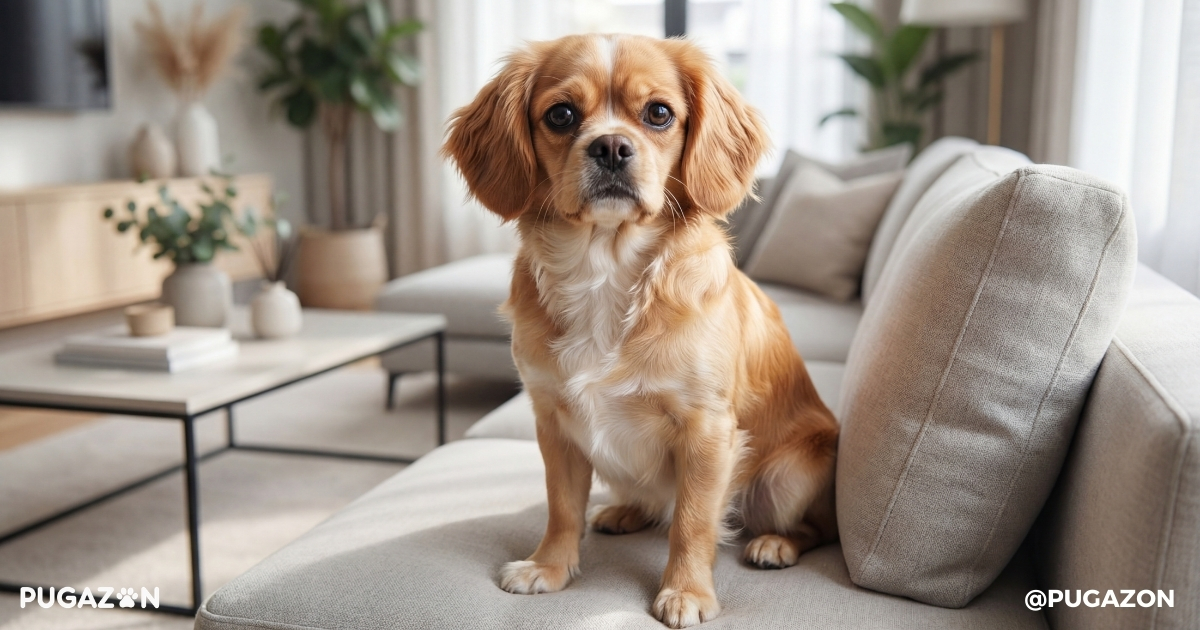
Chugs, the delightful crossbreed between the pug and the chihuahua, is a small dog with a big personality. Known for its spirited charm, loving nature, and adaptability, the Chug is a popular choice for city dwellers and families seeking a compact, affectionate companion. Often described as a “designer dog,” this hybrid can inherit a fascinating mix of traits from both parent breeds, resulting in a one-of-a-kind pet that’s equal parts cuddly lap dog and lively explorer.
But owning a Chug isn’t just about enjoying its cute looks and playful energy. As a mixed breed, Chugs can vary widely in size, coat type, temperament, and health needs, depending on their genetic makeup. Some favor the pug’s affectionate, laid-back demeanor, while others inherit the chihuahua’s feisty independence and alertness. Understanding these possibilities is crucial before bringing a Chug into your home.
This guide covers everything you need to know about the chug breed—from their history and appearance to their temperament, health considerations, and care requirements. We’ll also discuss how to find a reputable breeder or adoption option, avoiding the pitfalls of unethical breeding and scams.
For vetted breeders and trustworthy adoption listings, visit Pugs for Sale.
History & Origins of The Chug Breed
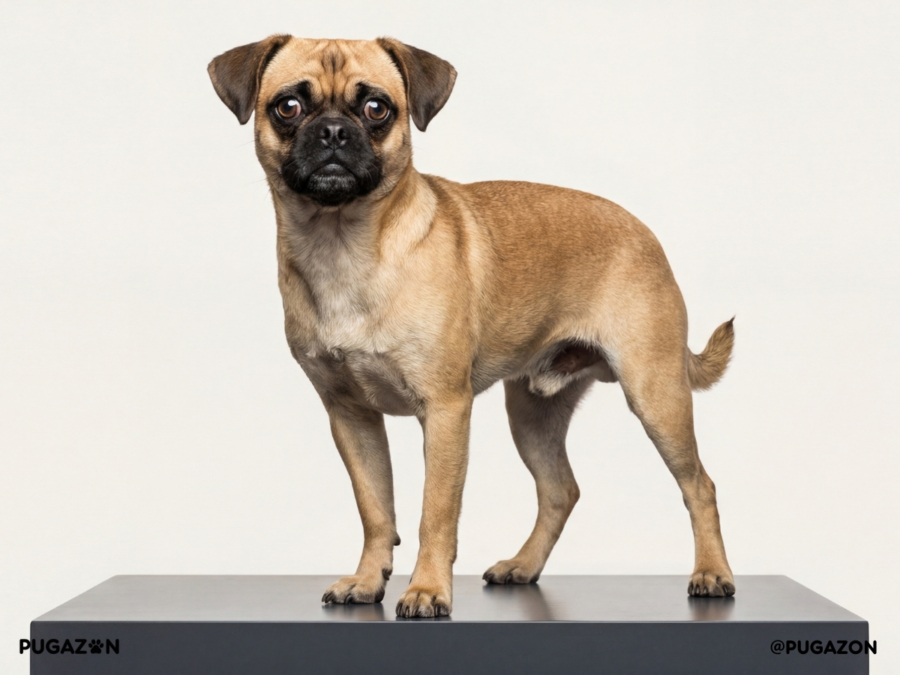
The pug and chihuahua mix is a relatively recent hybrid, intentionally bred to combine the playful, affectionate pug with the bold, lively chihuahua.
Early Crossbreeding
- Unintentional pug-chihuahua mixes likely appeared long before the term “Chug” gained popularity.
- Intentional breeding started in the late 20th century to create a small companion dog that’s affectionate, spirited, and adaptable to various living spaces.
Rise in Popularity
- Chugs gained traction as part of the designer dog trend in the 2000s, following in the footsteps of other popular hybrids like puggles.
- Their small size, suitability for apartments, and unique personalities have made them a favorite among first-time dog owners.
Recognition
- The chug dog is not recognized as a breed by major kennel clubs like the AKC.
- Hybrid registries may list them if both parents are purebred, but there is no established breed standard.
Recognition & Breed Status
While the pug and chihuahua mix have grown in popularity, they remain a crossbreed, meaning:
- No official breed standard exists.
- Appearance and temperament vary widely between litters.
- Cannot compete in conformation shows, though they can participate in agility, obedience, and mixed-breed events.
Designer Dog Debate
- Advocates love Chugs for combining the best of two beloved small breeds.
- Critics highlight the unpredictability of mixed genetics and the risk of unethical breeding for novelty rather than health.
Physical Traits of Chugs
Chugs can look vastly different even within the same litter. Their appearance depends on which parent breed’s traits dominate.
Size and Build
- Height: 6–12 inches (15–30 cm).
- Weight: 8–20 pounds (3.6–9 kg).
- Small, compact frame, ideal for apartments or small homes.
Coat and Coloring
- Coat type varies: can be short and smooth like a pug, or slightly longer and fine like a chihuahua’s.
- Colors include fawn, black, tan, cream, chocolate, and mixed patterns.
Facial Features
- Some Chugs inherit the pug’s short muzzle, while others have a longer snout, which can reduce breathing problems.
- Ears can be floppy (pug-like) or erect (chihuahua-like), sometimes one of each, adding to their unique charm.
- Round, expressive eyes, often with a cheeky, intelligent look.
Grooming Needs
- Weekly brushing to control shedding.
- Regular cleaning of facial folds if they inherit pug-like wrinkles.
- Routine nail trimming, ear cleaning, and dental care are crucial for this small hybrid.
Temperament & Personality of Chugs

The pug and chihuahua breed are small dogs with big, dynamic personalities. Their temperament varies based on which parent breed they take after more strongly, but most Chugs are affectionate, playful, and alert companions.
Key Traits
- Affectionate: Inherit the pug’s loving, people-oriented nature. Chugs thrive on companionship and often follow their owners everywhere.
- Energetic: Chihuahua genetics add spunk, curiosity, and bursts of high energy. Chugs enjoy short walks and lively play sessions.
- Alert Watchdogs: Despite their size, Chugs are often vocal, alerting owners to strangers or unusual sounds.
- Loyal but Independent: They bond closely with family yet may display stubborn, chihuahua-like independence.
Potential Behavioral Challenges
- Separation Anxiety: Chugs dislike long hours alone and may bark or become destructive without company.
- Training Stubbornness: Both parent breeds can be strong-willed, making early socialization and positive reinforcement essential.
- Fragile Around Small Children: Due to their tiny size, rough handling from young kids can easily injure them.
Health, Risks & Longevity of Chugs
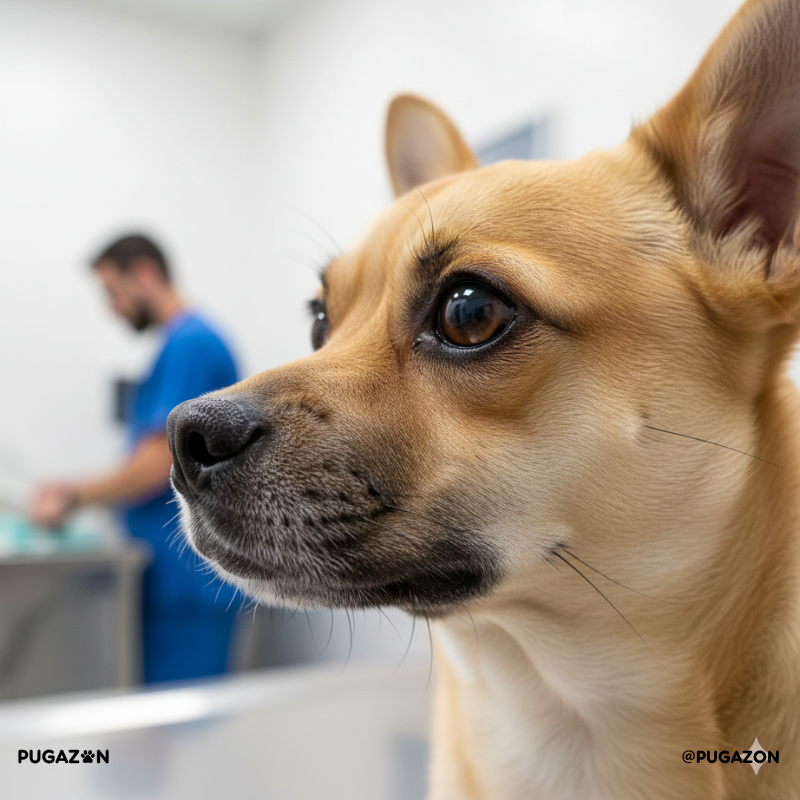
Chugs can inherit health concerns from either parent breed. Their small size adds specific risks requiring careful attention.
Common Health Issues
- Respiratory Problems: Flat-faced Chugs may have brachycephalic airway syndrome, leading to snoring or breathing difficulties.
- Dental Problems: Small mouths mean crowded teeth, increasing risk of decay and gum disease.
- Patellar Luxation: Common in small breeds, causing knee instability.
- Eye Issues: Prominent pug-like eyes can be prone to scratches or ulcers.
- Hypoglycemia: Low blood sugar can affect small Chug puppies, requiring frequent feeding schedules.
Lifespan
With proper care, Chugs typically live 12–15 years, similar to both parent breeds. Healthier first-generation crosses (pure pug and pure chihuahua) often fare better than multi-generation mixes from irresponsible breeders.
Care, Diet & Grooming for Chugs

Chugs are relatively low-maintenance but need consistent care tailored to their small size and potential health sensitivities.
Grooming
- Brushing: 2–3 times weekly to reduce shedding.
- Wrinkle Care: If pug-like folds are present, clean daily to prevent irritation or infection.
- Dental Hygiene: Daily teeth brushing or dental chews are critical to prevent periodontal disease.
- Bathing: Every 4–6 weeks using gentle shampoo formulated for small dogs.
Diet & Feeding
- Small-Breed Food: Nutrient-rich, high-protein kibble sized for small mouths.
- Portion Control: Prone to obesity, especially if pug genes dominate.
- Frequent Meals: Puppies may require 3–4 small meals daily to avoid hypoglycemia.
Exercise
- Short walks and indoor play are sufficient for most Chugs.
- Avoid overexertion in hot weather due to potential breathing issues.
Mental stimulation (puzzle toys, light training) keeps their intelligent minds engaged.
Ethical Buying & Adoption Considerations
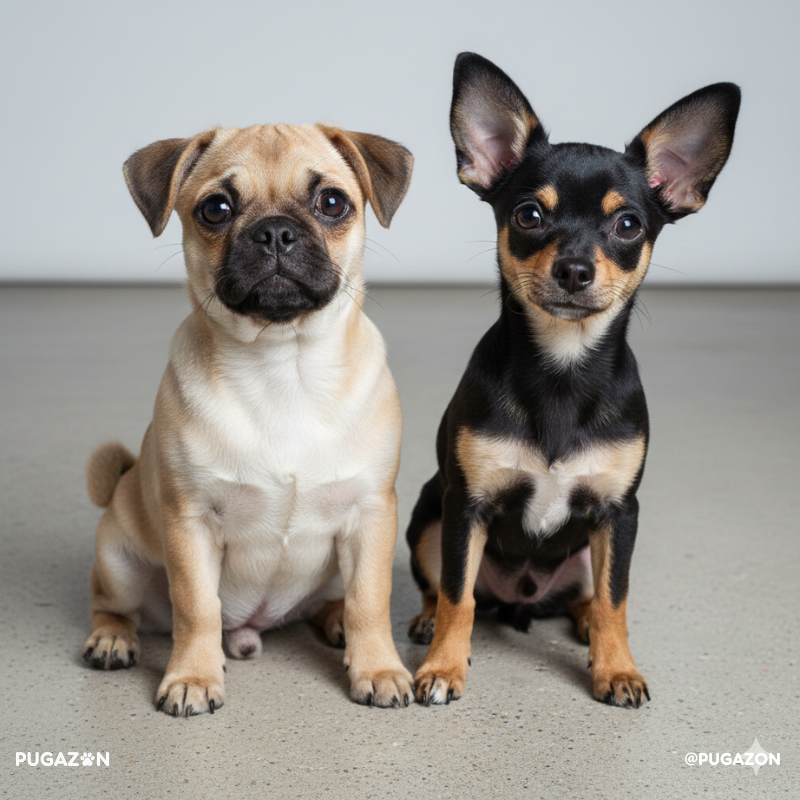
The growing popularity of Chugs has unfortunately attracted unethical breeders prioritizing profit over welfare.
Risks in the Market
- Puppy Mills: Overbred Chugs often have poor health and no socialization.
- False Advertising: Some “Chugs” are mislabeled small pug mixes without true chihuahua lineage.
- Excessive Pricing: Inflated costs due to “designer dog” marketing hype.
How to Choose Responsibly
- Ask for Parent Proof: Meet both parents to confirm genuine pug and chihuahua lineage.
- Request Health Testing: Reputable breeders screen for patellar issues, respiratory problems, and genetic diseases.
- Avoid “Ready Tomorrow” Ads: Ethical breeders do not rush or mass-produce litters.
Adoption Opportunities
Many Chugs and small pug mixes end up in rescues due to their high energy or inexperienced owners. Adoption offers:
- Lower cost compared to breeders.
- Full health and behavior assessment from the rescue organization.
- A chance to give a loving home to a dog in need.
For verified breeders and legitimate adoption listings, visit Pugs for Sale before making a decision.
Fun Trivia About Chugs

Tiny Dog, Big Attitude
Despite their small size, many Chugs inherit the chihuahua’s bold and fearless personality, making them confident watchdogs.
Unpredictable Looks
Within the same litter, one puppy might resemble a mini pug, while another has a slim, chihuahua-like frame.
Lap Dogs with Energy Bursts
Chugs love curling up on your lap but are also known for short “zoomie” sessions around the house.
Travel-Friendly Companions
Their compact size makes Chugs ideal for apartment living and easy to take on trips.
Popular in Urban Areas
Small size, low exercise needs, and adaptable temperament make Chugs a top choice for city dwellers looking for a small companion dog.
Adopting or Buying a Chug

Chugs are affectionate, spirited companions perfect for many households, but their rising popularity has led to irresponsible breeding. Avoid rushed purchases or overpriced “designer dog” hype.
For verified breeders, trustworthy adoption listings, and tips to avoid puppy mills, visit Pugs for Sale to make an informed, ethical choice for your future furry friend.
No, Chugs are a crossbreed between a purebred pug and a purebred chihuahua, making them a designer mix, not a recognized breed
They can be vocal, especially if they inherit the chihuahua’s alertness. Proper training can help reduce excessive barking.
Typically 6–12 inches tall and weigh 8–20 pounds, depending on which parent traits dominate.
Yes, but due to their small size, interactions with very young children should be supervised to prevent injury.
Most Chugs shed moderately year-round. Weekly brushing helps control shedding.
Some do, especially those with flat pug-like faces. Longer snouts inherited from the chihuahua can reduce these issues.
With good care, Chugs typically live 12–15 years.
Prices range from $800–$1,800, depending on breeder reputation and lineage. Adoption is often cheaper.
Yes, many Chugs or small pug mixes are available in rescues and shelters due to owner mismatches or overbreeding.
No, Chugs are not considered hypoallergenic and may trigger allergies in sensitive individuals.