Last updated on February 12th, 2026
- Intro
- History & Origins of Apricot Pugs
- Recognition & Breed Standard for Apricot Pugs
- Physical Traits of Apricot Pugs
- Temperament & Personality of Apricot Pugs
- Health, Risks & Longevity of Apricot Pugs
- Care, Diet & Grooming for Apricot Pugs
- Ethical & Legal Considerations in Buying or Adopting Apricot Pugs
- Fun Facts & Trivia About Apricot Pugs
- The Warmest Coat in the Breed
- A Victorian Favorite
- Color Can Change Over Time
- Rare but Not Separate
- Photogenic Companions
- Adopting or Buying an Apricot Pug
- FAQs About Apricot Pugs
- Are apricot pugs purebred?
- Are apricot pugs rare?
- How much do apricot pug puppies cost?
- Do apricot pugs have unique health issues?
- Does the apricot color change over time?
- Do apricot pugs shed less?
- Are apricot pugs good for families?
- Are apricot pugs recognized by kennel clubs?
- How can I avoid scams when buying an apricot pug?
- Can I adopt an apricot pug?
Intro
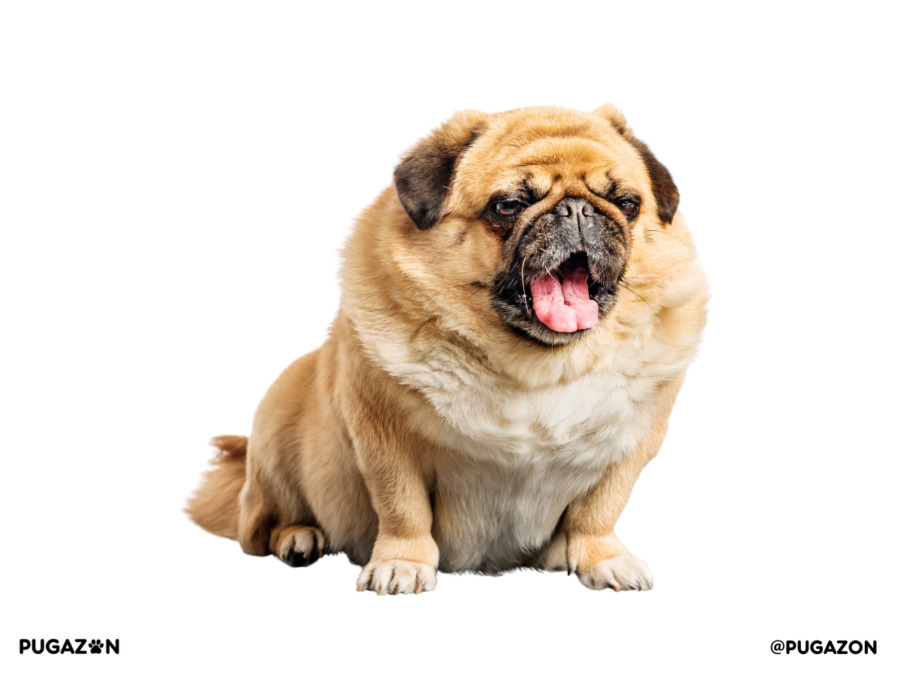
Apricot pugs are a stunning and sought-after variation of the pug breed, recognized for their warm, golden coat that sets them apart from the more common fawn and black pugs. Often described as “sun-kissed” or “deep golden-fawn,” apricot pugs combine the classic charm of the breed with a unique, rich coloration that has fascinated breeders and owners worldwide.
Despite their growing popularity, apricot pugs are often surrounded by myths and marketing hype. Some breeders advertise them as “rare” or “premium,” charging inflated prices, even though apricot falls under the accepted fawn category in major kennel clubs. Understanding the facts about this color variation—from its history and genetics to its care needs—helps prospective owners make informed choices and avoid unethical breeders.
This guide will explore everything you need to know about apricot pugs, including their origins, recognition by kennel clubs, physical characteristics, temperament, health risks, and coat care. We’ll also discuss responsible buying and adoption practices to ensure you bring home a happy, healthy pug from a reputable source. For verified breeder lists and trusted adoption options, visit Pugs for Sale.
History & Origins of Apricot Pugs
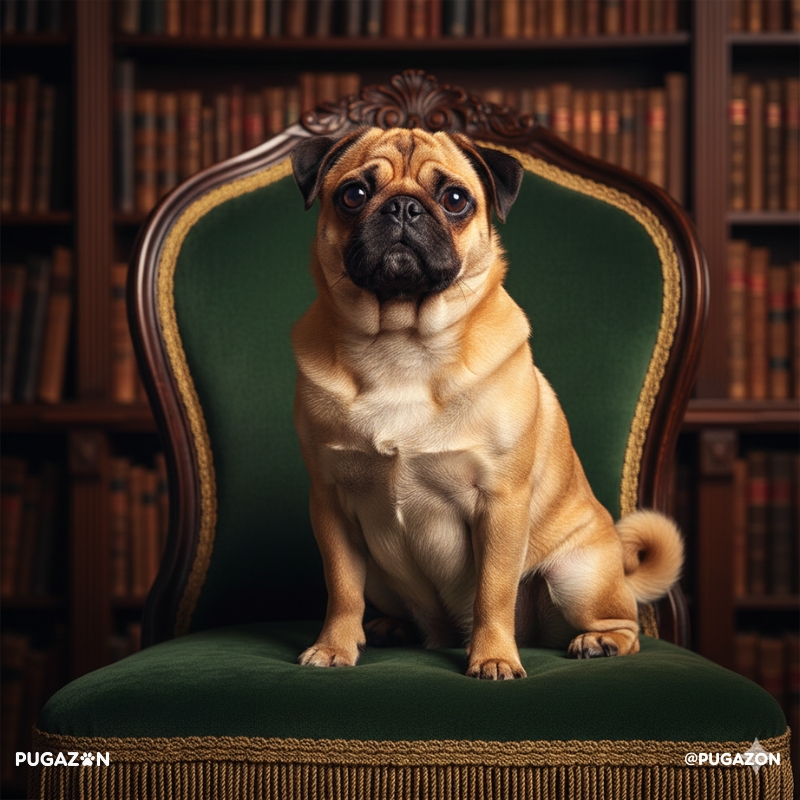
Apricot pugs share the same rich ancestry as all pugs, tracing back over 2,000 years to ancient China. Early records describe palace dogs with short muzzles and curled tails, often painted in pale fawn tones, but some were likely closer to today’s apricot shade—a deeper, reddish-golden variation of fawn.
Emergence in Europe
When pugs arrived in Europe during the 16th and 17th centuries, most were light fawn. However, certain bloodlines naturally produced warmer, richer tones, eventually recognized as apricot. Victorian breeders, particularly in England, favored these deeper shades for their striking appearance under candlelight and early photography, which often muted paler coats.
Modern Breeding
Today, apricot pugs are accepted within the fawn category by all major kennel clubs, including:
- The American Kennel Club (AKC)
- The Kennel Club (UK)
- The Pug Dog Club of America (PDCA)
They remain less common than classic fawn, as the gene for deep golden coloring is recessive. Producing consistent apricot tones requires careful, ethical breeding practices.
Recognition & Breed Standard for Apricot Pugs
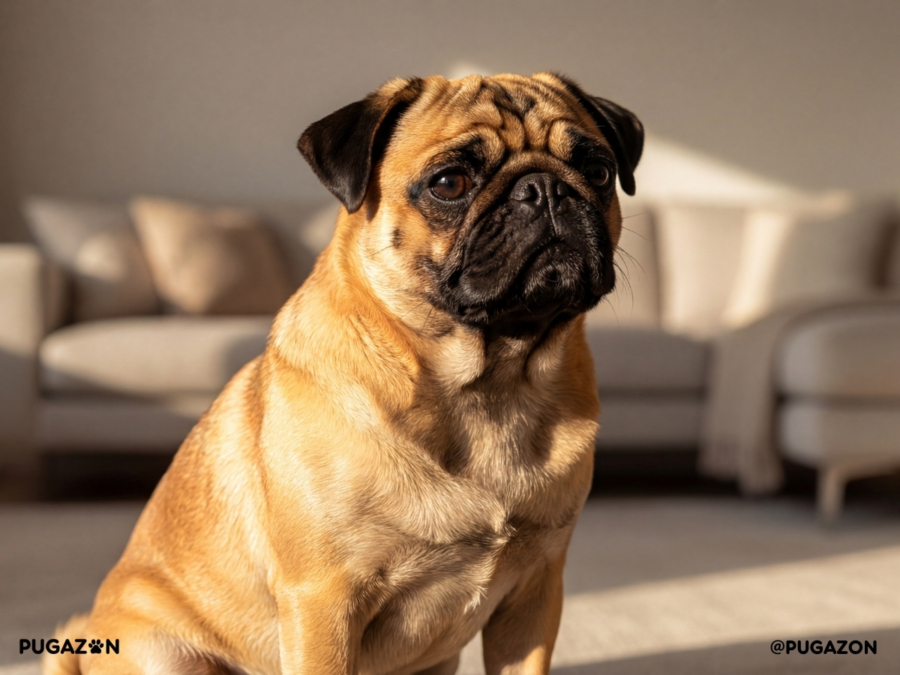
Apricot pugs meet the same structural and temperament standards as other pugs, with the main difference being coat tone.
Kennel Club Recognition
- Classified as fawn with a warm, golden or reddish tint.
- Coat must be smooth, short, and glossy.
- Strong black mask, ears, and facial markings required for contrast.
- A dark trace line along the spine is desirable and often more visible in apricot coats compared to pale fawn.
Show Considerations
Apricot pugs often stand out in the show ring for their rich, vibrant coats. Judges look for:
- Even, deep coloration across the body.
- No patchiness, dullness, or washed-out pigment.
- Strong black points to balance the golden hue.
While recognized, apricot pugs are sometimes less commonly entered in shows simply due to lower availability in litters
Physical Traits of Apricot Pugs
Size and Build
Apricot pugs match the standard pug size:
- Height: 10–13 inches (25–33 cm)
- Weight: 14–18 pounds (6.3–8.1 kg)
- Square, muscular frame with a curled tail and sturdy stance.
Coat Appearance
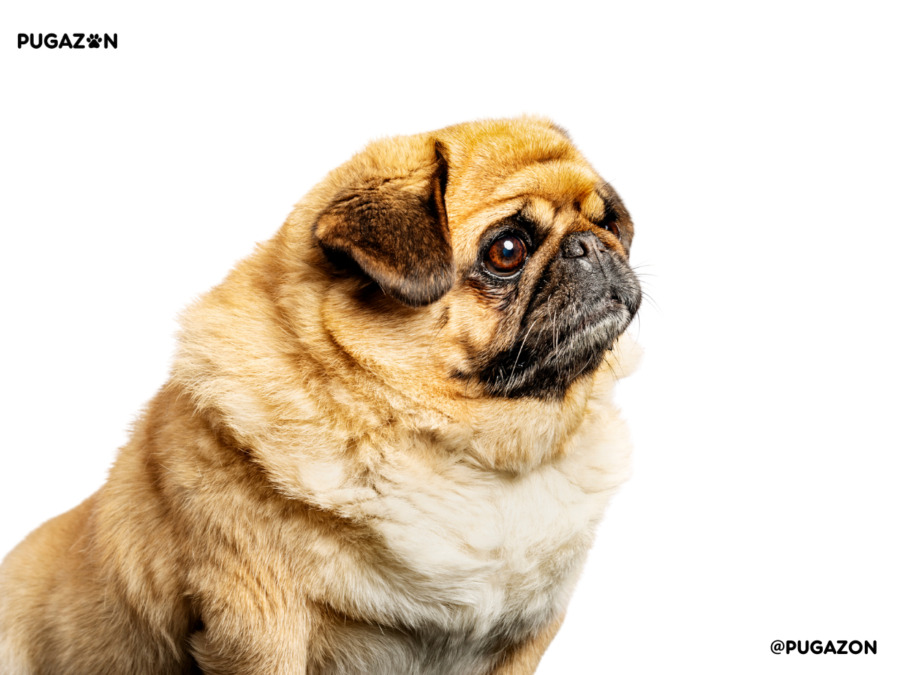
- Warm, golden-orange tone with deeper pigmentation than silver or pale fawn.
- Glossy, smooth texture when well-maintained.
- Black mask, ears, and nails provide striking contrast.
Genetic variability means some apricot coats are light gold, while others approach a rich copper hue.
Shedding and Staining
- Apricot hair shows moderately on light and dark fabrics, more visible than black but less than pale fawn.
- Tear staining and dirt may create reddish-brown marks, blending slightly with coat color but still requiring frequent cleaning.
- Shedding is year-round and heavy like all pugs, needing brushing 3–5 times per week.
Skin and Sun Sensitivity
Apricot coats, being darker than silver or light fawn, absorb sunlight more than pale coats but less than black pugs. This:
- Offers slightly better natural UV protection than silver.
- Still requires careful sun exposure management to avoid overheating.
Key Physical Features
- Warm, rich coat tone that stands out among pug variations.
- Strong pigmentation needed for show standards.
Similar size, structure, and shedding to all pugs, with moderate sun sensitivity.
Temperament & Personality of Apricot Pugs
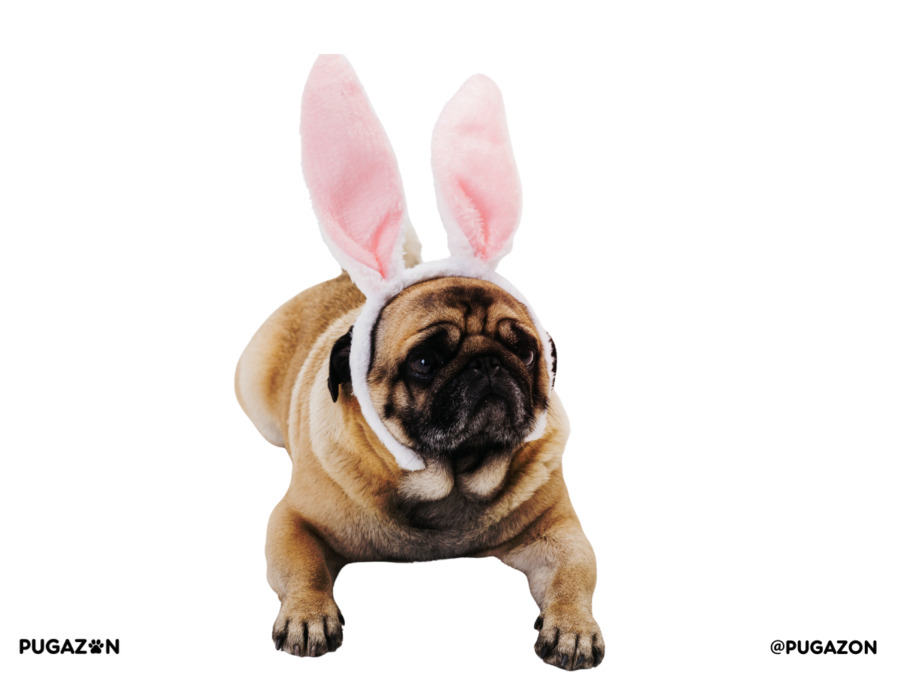
Apricot pugs share the same core personality traits as all pugs—loving, playful, and devoted—but some owners describe them as having a slightly warmer, more outgoing demeanor compared to lighter fawn or silver pugs. These differences are anecdotal rather than genetic, yet repeated observations suggest subtle trends.
General Personality
- Gentle and affectionate, thriving on close contact with family members.
- Naturally sociable, often quick to approach strangers with curiosity and friendliness.
- Playful but not excessively energetic, making them ideal for small living spaces.
- Loyal and people-oriented, often following owners from room to room.
Social Behavior
Apricot pugs are generally:
- Great with children due to their patience and tolerance.
- Friendly with other dogs and pets when introduced properly.
- Adaptable to various living situations, including apartments, provided they receive enough attention and short daily walks.
Training Characteristics
Like other pugs:
- Food-motivated and eager to please but prone to stubborn moments.
- Best trained using positive reinforcement, patience, and consistency.
- Thrive in environments where they receive mental stimulation through short, fun sessions.
Emotional Needs
Apricot pugs do not cope well with long periods of isolation:
- May develop separation anxiety if left alone frequently.
- Benefit from a stable routine, frequent affection, and companionship.
- Often form very strong bonds with their primary caregiver, making them ideal one-to-one companions.
Health, Risks & Longevity of Apricot Pugs
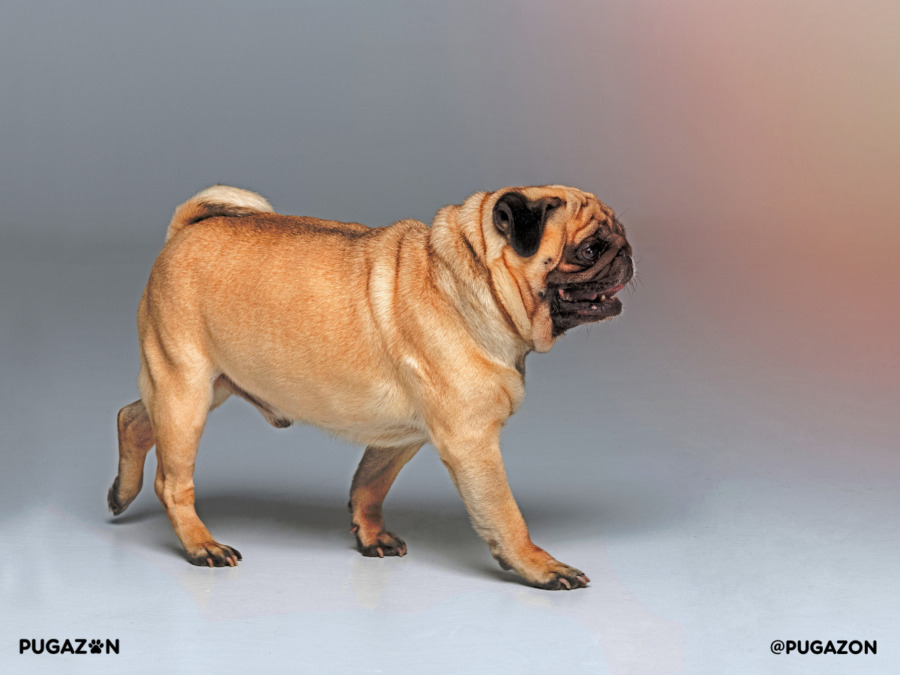
Apricot pugs share the same breed-related health challenges common to pugs, with no scientific evidence suggesting their coat color affects their health. However, unethical breeding to meet demand for “rare” apricot puppies can introduce genetic risks.
Common Health Concerns
- Brachycephalic airway syndrome (breathing difficulties due to short muzzle).
- Eye problems, including ulcers, dryness, or injury.
- Hip dysplasia or patellar luxation due to compact body structure.
- Obesity, which worsens breathing and joint issues.
Color-Related Considerations
- Some apricot coats result from selective breeding within limited lines, increasing the risk of hereditary conditions if breeders prioritize color over health.
- Tear stains and skin irritation may be more visible on lighter apricot coats, requiring consistent cleaning.
Lifespan
Apricot pugs typically live 12–15 years, matching the average for healthy pugs. Dogs bred from robust bloodlines with genetic health testing may reach the higher end of this range.
Preventive Health Care
- Maintain a lean weight with portion-controlled feeding.
- Regular veterinary exams, especially for breathing and joint health.
- Clean wrinkles and ears daily to prevent infections.
- Moderate exercise to avoid respiratory strain.

Last update on 2025-02-12 / * Affiliate links / Image source: Amazon Product Advertising API
Care, Diet & Grooming for Apricot Pugs
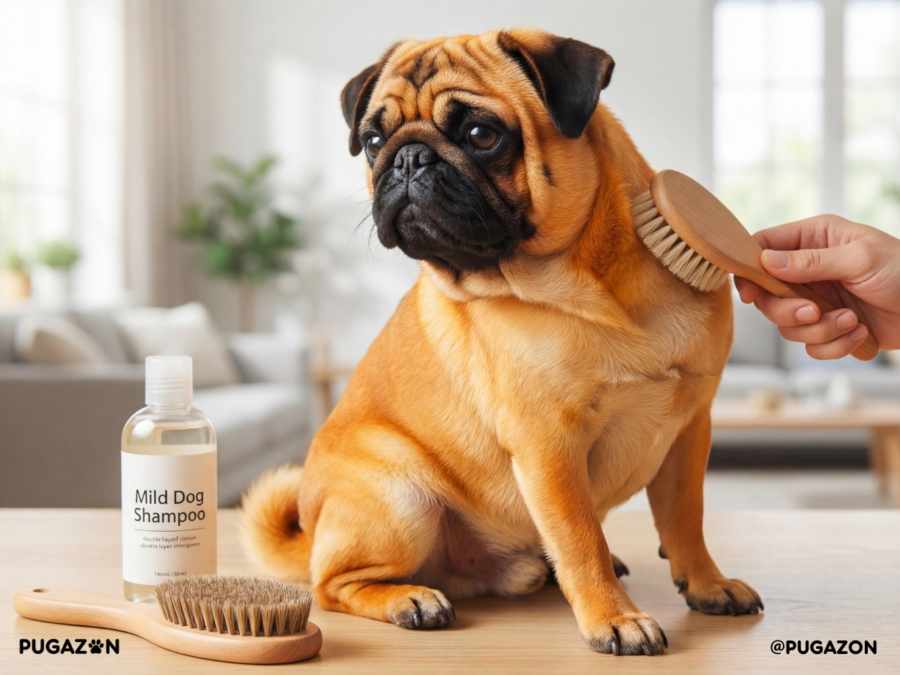
Apricot pugs need consistent grooming to keep their rich coat healthy and free of stains or dirt buildup.
Grooming Routine
- Brush 3–5 times weekly to manage shedding and maintain coat shine.
- Use a mild, color-enhancing shampoo every 4–6 weeks to keep the warm tone vibrant.
- Clean wrinkles, especially around eyes and muzzle, daily to avoid staining and bacteria buildup.
- Trim nails regularly and clean ears to prevent infections.
Diet Considerations
- Balanced diet rich in omega fatty acids to support skin and coat health.
- Avoid high-calorie treats; use small, healthy rewards during training.
- Supplements like fish oil or flaxseed can improve coat sheen and reduce shedding.
Environmental Care
- Apricot coats absorb moderate sunlight, meaning they are less prone to heat issues than black pugs but still at risk in high temperatures.
- Avoid long walks during hot weather and provide shaded areas outdoors.
Use dog-safe sunscreen for extended sun exposure, especially on ears and thin-furred areas.
🔗 Planning to buy or adopt a fawn pug puppy? Visit our Pugs for Sale Guide for tips on spotting healthy litters, certified breeders, and adoption options near you.
Ethical & Legal Considerations in Buying or Adopting Apricot Pugs

The high demand for apricot pugs has led to unethical breeding practices, with some sellers falsely advertising them as “rare” and charging inflated prices.
Identifying a Responsible Breeder
Look for breeders who:
- Are registered with major kennel clubs and provide pedigree documentation.
- Conduct genetic health testing on parent dogs.
- Avoid overbreeding or using limited lines solely for coat color.
- Offer transparent contracts with return clauses and health guarantees.
Avoiding Color-Driven Scams
- Be cautious of breeders labeling apricot puppies as “rare” and doubling prices.
- True apricot coloring occurs naturally in fawn litters; it is not a separate breed.
- Reputable breeders focus on health and temperament first, not just coat color.
Adoption Options
Many pugs, including apricot variations, need rehoming due to changes in owners’ circumstances. Reputable rescues:
- Provide health checks, vaccinations, and microchipping before adoption.
- Offer lower costs compared to breeders.
- Ensure ethical rehoming and help reduce demand for overbred puppies.
For trusted listings and breeder resources, visit Pugs for Sale to make an informed, ethical choice when adding an apricot pug to your family.
Fun Facts & Trivia About Apricot Pugs

The Warmest Coat in the Breed
Apricot pugs have a deeper, richer tone than standard fawn, sometimes described as “sunset gold.” This makes them stand out even in large pug gatherings where most coats are pale fawn or black.
A Victorian Favorite
Historical records from 19th-century England show that wealthy families often favored darker-toned fawns, giving rise to the apricot variation that was particularly popular in royal households and early European dog shows.
Color Can Change Over Time
Some apricot puppies are born with pale coats that deepen as they age, while others lighten slightly. Final coloring usually settles between 12–18 months of age.
Rare but Not Separate
Although less common, apricot is part of the standard fawn category. Claims of “exclusive apricot breeds” are marketing tactics, not official classifications.
Photogenic Companions
Their golden tone reflects sunlight beautifully, making apricot pugs especially photogenic outdoors, often capturing richer detail compared to lighter fawns.
Adopting or Buying an Apricot Pug
Apricot pugs are delightful companions, but prospective owners must navigate carefully to avoid overpaying or supporting unethical breeders.
To find reputable breeders, adoption organizations, and reliable buying guides, visit Pugs for Sale. This resource will help you locate healthy, well-bred apricot pugs while avoiding scams and poor breeding practices.
FAQs About Apricot Pugs
Yes. Apricot pugs are purebred and fall under the fawn color classification recognized by major kennel clubs.
Less common than pale fawn, but not a separate rare breed. Rarity claims are often exaggerated for higher prices.
Typically $1,200–$2,500 depending on breeder reputation and location. Pricing should not be based on coat color alone.
No, health risks are the same as other pugs. Only unethical color-focused breeding increases genetic problems.
Yes. Puppies may deepen or lighten as they grow, with final coloring visible by 12–18 months.
No. Shedding is similar across all pugs, though apricot hair is moderately visible on both light and dark fabrics.
Yes. They are affectionate, patient, and adaptable, making them great for children and multi-pet households.
Yes, but listed as a shade of fawn. Only fawn and black are standard categories globally.
Seek breeders with kennel club registration, health-tested parents, and transparent practices. Avoid inflated “rare” color pricing.
Yes, though less common in rescues, apricot pugs do occasionally need rehoming. Adoption is an ethical option over commercial breeding.