Last updated on February 12th, 2026
- Introduction to Fawn Pugs
- History & Origins of Fawn Pugs
- Recognition & Breed Standard for Fawn Pugs
- Global Standards and Judging Criteria
- Physical Traits of Fawn Pugs – Size, Build, and Unique Features
- The Iconic Look of Fawn Pugs
- Average Size and Build
- Coat Shades Unique to Fawn Pugs
- Black Markings and Breed Definition
- Shedding Visibility and Coat Maintenance
- Temperature Sensitivity
- Pigmentation Quality and Genetic Health Indicators
- Key Fawn-Specific Physical Traits Recap:
- Temperament & Personality of Fawn Pugs – What Sets Them Apart
- The “Classic Pug Personality” in a Fawn Coat
- Why Fawn Pugs Seem More Sociable
- Adaptability to Different Homes
- Training Characteristics
- Behavioral Trends from Popularity
- Potential Behavioral Challenges
- The “Velcro Dog” Effect
- ✅ Key Fawn-Specific Personality Insights:
- Health, Risks & Longevity of Fawn Pugs
- General Health Overview
- Color-Linked Genetic Factors
- Common Health Risks in Fawn Pugs
- Average Lifespan of Fawn Pugs
- Preventive Health Recommendations
- Key Fawn-Specific Health Insights:
- Care, Diet & Grooming for Fawn Pugs
- Tailored Care Needs for Fawn Pugs
- Coat Care: Managing Shedding and Stains
- Skin and Sun Protection
- Diet Considerations for Coat and Weight
- Wrinkle Care for Light Coats
- Nail and Paw Care
- Seasonal Care Adjustments
- Ethical & Legal Considerations in Buying or Adopting Fawn Pugs
- The High Demand for Fawn Pugs
- Identifying Reputable Fawn Pug Breeders
- The “Rare Fawn” and “Exotic Color” Scam
- Legal Aspects of Buying a Fawn Pug Puppy
- Adoption as an Ethical Alternative
- Connecting to Trusted Listings
- Key Buyer Takeaways
- Fun Facts & Trivia About Fawn Pugs
- The Color of Royalty
- The Pompey Effect
- The Show Ring Dominator
- The Trace Line Mystery
- Variations in Shade Are More Common in Fawn Pugs
- The Global Standard Setter
- More Likely to Have Show Breeding Lineage
- Easier to Photograph for Pet Media
- Key Takeaway
- Adopting or Buying Fawn Pugs
- FAQs About Fawn Pugs
- Are fawn pugs purebred?
- What is the difference between fawn and apricot pugs?
- Are silver fawn pugs rare?
- How much do fawn pug puppies cost?
- Are fawn pugs healthier than other colors?
- Do fawn pugs shed more than black pugs?
- Can fawn pugs change color as they grow?
- Are fawn pugs more common in shows?
- Do fawn pugs need special grooming?
- What is the typical lifespan of a fawn pug?
- Are fawn pugs good for first-time dog owners?
- Are fawn pugs more expensive than black pugs?
- Do fawn pugs have more health issues?
- Can I adopt a fawn pug instead of buying?
- What should I avoid when buying a fawn pug puppy?
Introduction to Fawn Pugs

When most people picture a pug, they imagine a plump, happy little dog with a creamy coat, dark face mask, and big soulful eyes—that’s a fawn pug, the most recognized and beloved color variation of the breed. Accounting for nearly 80% of registered pugs worldwide, fawn pugs have captured hearts for centuries with their adorable looks and famously affectionate personalities.
But this classic pug color is more than just a pretty coat. Fawn pugs have a rich history, dating back over 2,000 years, with their popularity rooted in ancient Chinese royalty and European aristocracy. Today, they’re household favorites, known for their ability to adapt to almost any environment while keeping families entertained with their comical, “velcro-dog” charm.
In this guide, we’ll explore everything you need to know about fawn pugs, from their royal origins to modern-day care requirements. We’ll break down their appearance, personality, health considerations, and special grooming needs to keep their cream-to-apricot coats in top condition. We’ll also cover ethical breeding practices, fun facts you might not know, and detailed FAQs based on real search queries to help you decide if a fawn pug is right for you.
If you’re curious about adopting or buying a fawn pug puppy, you’ll find mentions throughout this guide pointing you toward our dedicated Pugs for Sale resource page, which is being developed to help you find responsible breeders and verified adoption options.
History & Origins of Fawn Pugs
The story of the fawn pug is inseparable from the history of the pug breed itself, as this light-colored coat has been the most dominant and sought-after for centuries.
Ancient Beginnings in China
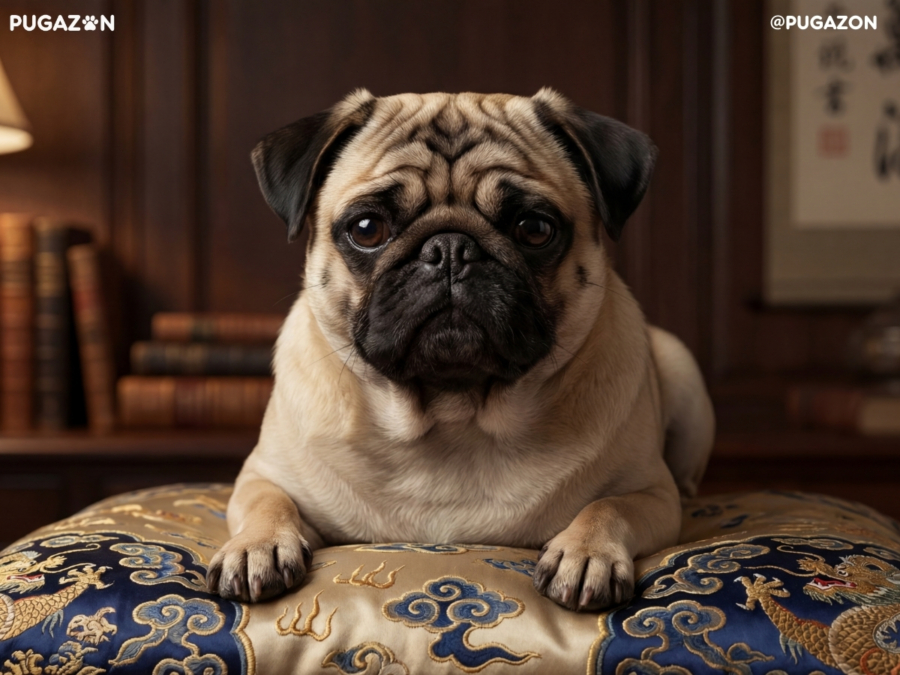
Pugs trace their roots back to ancient China over 2,000 years ago, where they were bred as companions for emperors and members of the imperial court. Known as “Lo-Sze,” these early pugs were cherished for their small size, curled tails, and wrinkled faces. Fawn coats were particularly prized because they were associated with purity, prosperity, and high status in Chinese culture. Historical art and scrolls from the Han Dynasty often depict dogs resembling modern pugs in this classic light tan shade.
Arrival in Europe
By the 16th century, Chinese traders introduced pugs to European merchants and explorers. Fawn pugs quickly became favorites among European nobility, including the royal House of Orange in the Netherlands, where a fawn pug named Pompey famously saved Prince William of Orange from an assassination attempt. This act elevated the fawn pug to a symbol of loyalty and protection, further boosting its popularity among European aristocrats.
From the Netherlands, fawn pugs spread to France, England, and eventually worldwide, becoming a status symbol for high society families. Paintings from the Victorian era frequently showcase fawn pugs lounging beside queens and noble ladies, solidifying the color as the classic pug look.
Modern Recognition
Today, fawn remains the most registered pug color in major kennel clubs, accounting for about 70–80% of global pug registrations according to AKC data. Variations include light cream, apricot fawn, and silver fawn, each with a distinctive undertone but all officially falling under the “fawn” category in breed standards.
While modern breeding has refined the flat-faced pug look, many breeders strive to preserve the health, playful spirit, and loyal temperament that made fawn pugs beloved companions for centuries.
🔗 If you’re researching how to responsibly buy or adopt a fawn pug puppy, bookmark our upcoming Pugs for Sale Guide for detailed breeder and adoption recommendations.
Recognition & Breed Standard for Fawn Pugs
How Kennel Clubs Recognize Fawn Pugs
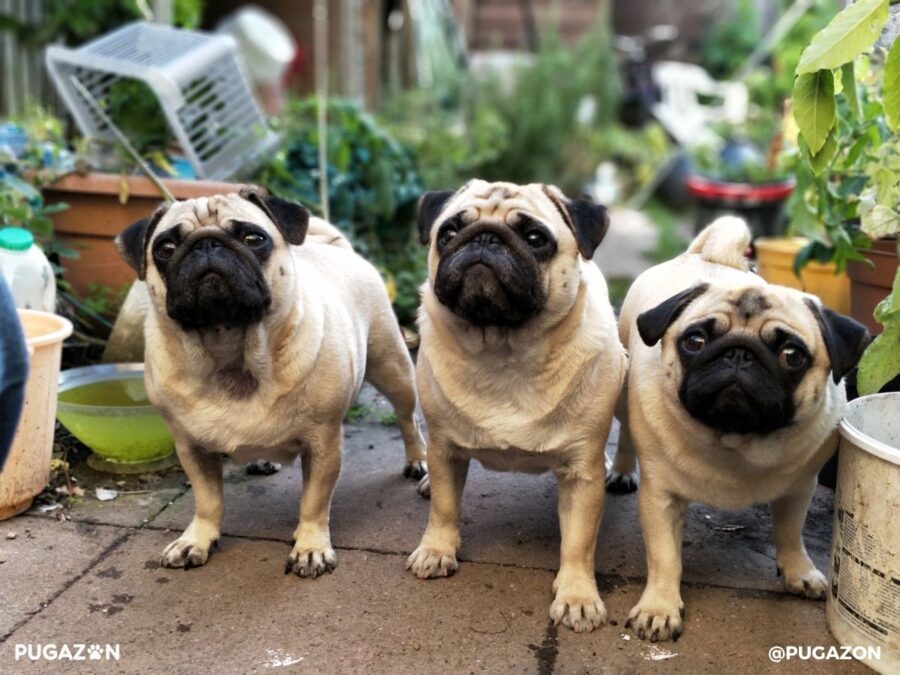
Fawn is one of only two officially recognized pug colors globally, the other being black. The American Kennel Club (AKC), The Kennel Club (UK), and Pug Dog Club of America (PDCA) all classify fawn as a standard color for the breed. This categorization encompasses a range of shades, from pale cream to warm apricot or even silver-tinted tones, but all fall under the same “fawn” umbrella.
Official standards emphasize that a fawn pug must have:
- A clear, even coat color, free of blotches or uneven patches.
- Distinct black markings, including a black muzzle (mask), black ears, and black thumb marks or a dark “trace” line along the spine (though the trace isn’t mandatory).
- A short, glossy, smooth coat that lies close to the body.
Any deviation from these markings or excessive lightening/dilution (e.g., washed-out mask or pink nose) is considered undesirable in the show ring, though it does not affect the dog’s companionship or health.
Fawn Shade Variations in Standards
While officially recognized as “fawn,” breeders and enthusiasts often distinguish subtones:
- Light Fawn: A pale cream, often preferred for conformation shows due to its clean, uniform look.
- Apricot Fawn: A deeper, golden tint popular with some breeders in the U.S. and Europe.
- Silver Fawn: A rare, metallic shade with gray undertones, accepted under fawn by the AKC and UK Kennel Club.
- Dark Fawn: A richer beige or tan with more pronounced shading along the back or ears.
These variations do not impact breed classification as long as the mask, ears, and facial features are clearly defined in black.
Global Standards and Judging Criteria
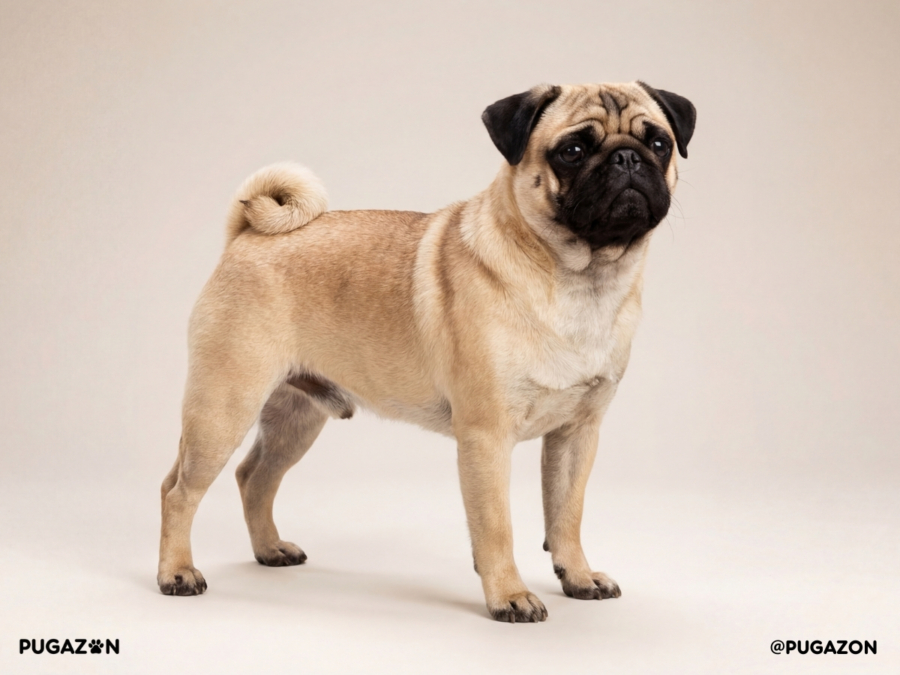
In dog shows, judges evaluate fawn pugs based on:
- Coat consistency: Shade should be even without patches of differing tones.
- Black mask definition: The mask must be solid, extending around the muzzle, with clear contrast against the lighter coat.
- Markings: Black ear tips and, ideally, a spine trace.
- Coat texture: Smooth, fine, and glossy, not wiry or coarse.
- Proportions and balance: A well-built, symmetrical dog that meets all pug standard requirements for structure and appearance.
Any deviation, such as weak pigment around the eyes or nose or missing markings, may count as a show fault, though it doesn’t diminish the dog as a pet.
Health and Ethical Considerations in Color Breeding
Reputable breeders prioritize health over cosmetic appeal. While fawn is the most desired and common color, unethical breeders sometimes:
- Overbreed for a specific shade (e.g., silver fawn) without genetic diversity.
- Market pale coats as “rare” to inflate prices.
- Ignore essential health checks to meet color demand.
Prospective owners should always request health certificates, pedigree documentation, and information on breeding practices before purchasing. Avoid sellers that emphasize “rare fawn” without providing proof of responsible, registered breeding.
🔗 For safe purchasing advice, reputable breeder lists, and adoption resources, visit our upcoming Pugs for Sale Guide.
Physical Traits of Fawn Pugs – Size, Build, and Unique Features

The Iconic Look of Fawn Pugs
When people imagine a pug, it’s almost always a fawn pug that comes to mind—a light cream or warm apricot coat, a velvety black face mask, and those big, round eyes full of affection. This color variant has defined the breed’s public image for centuries and continues to be the most registered coat color globally, representing around 70–80% of all purebred pugs.
But while their core structure matches the pug standard, fawn pugs bring unique shade variations, coat maintenance quirks, and visibility factors that distinguish them from their black-coated cousins.
Average Size and Build
Fawn pugs, like all pugs, fall under the toy breed category, but their sturdy, muscular build gives them surprising resilience for a small dog. The main size attributes are:
- Height: 10–13 inches (25–33 cm) at the shoulder.
- Weight: 14–18 pounds (6.3–8.1 kg) for both males and females.
- Body Shape: Square and compact, with a wide chest, strong forelegs, and balanced proportions.
- Tail: High-set and tightly curled, often double-curled—a desirable trait in show pugs.
While these measurements are consistent across all pug colors, fawn pugs are more commonly bred for show standards, meaning reputable breeders often prioritize ideal size and conformation in fawn litters more than in rarer colors. This contributes to a more uniform size profile among fawn pugs.
Coat Shades Unique to Fawn Pugs
The fawn spectrum is exclusive to this color category and can vary from dog to dog:
- Light Cream: Almost ivory, preferred in many conformation shows.
- Classic Beige Fawn: The standard color most people associate with pugs.
- Apricot Fawn: Rich, golden tones with deeper warmth in sunlight.
- Silver Fawn: A pale coat with a cool, metallic sheen, rarer but accepted by major kennel clubs.
- Dark Fawn: A deeper tan with slight shading across the spine or ears.
These coat tones are genetically influenced, with the interplay of melanin levels determining richness and depth. Two fawn parents can produce puppies in slightly different shades, making each dog’s coat unique.
Black Markings and Breed Definition
One of the most striking features of a fawn pug is the bold black contrast:
- Black mask: Covers the muzzle and must be well-defined.
- Black ears: Often called “black points,” required in breed standards.
- Spinal trace: A thin black line running down the back, common but not mandatory.
- Thumb marks: Small dark patches on the forehead, sometimes visible.
These markings are critical for show dogs, as weak pigment or missing contrast can be penalized in competition. As a result, fawn puppies with well-defined black points are highly sought after by breeders and prospective owners.
Shedding Visibility and Coat Maintenance
All pugs are notorious shedders, but fawn pugs make shedding more visible, especially on dark clothing and furniture. Their short, dense double coat consists of:
- A soft undercoat that sheds heavily during seasonal changes.
- A smooth outer coat that provides a glossy finish but still leaves loose hairs daily.
Fawn pug owners often:
- Brush 3–4 times a week to reduce loose fur.
- Use deshedding gloves during seasonal coat blows.
- Bathe every 4–6 weeks to maintain coat health and prevent oil buildup.
The light color also shows dirt and staining more readily than black coats, meaning owners may need to clean paws and underbellies more frequently after outdoor play.
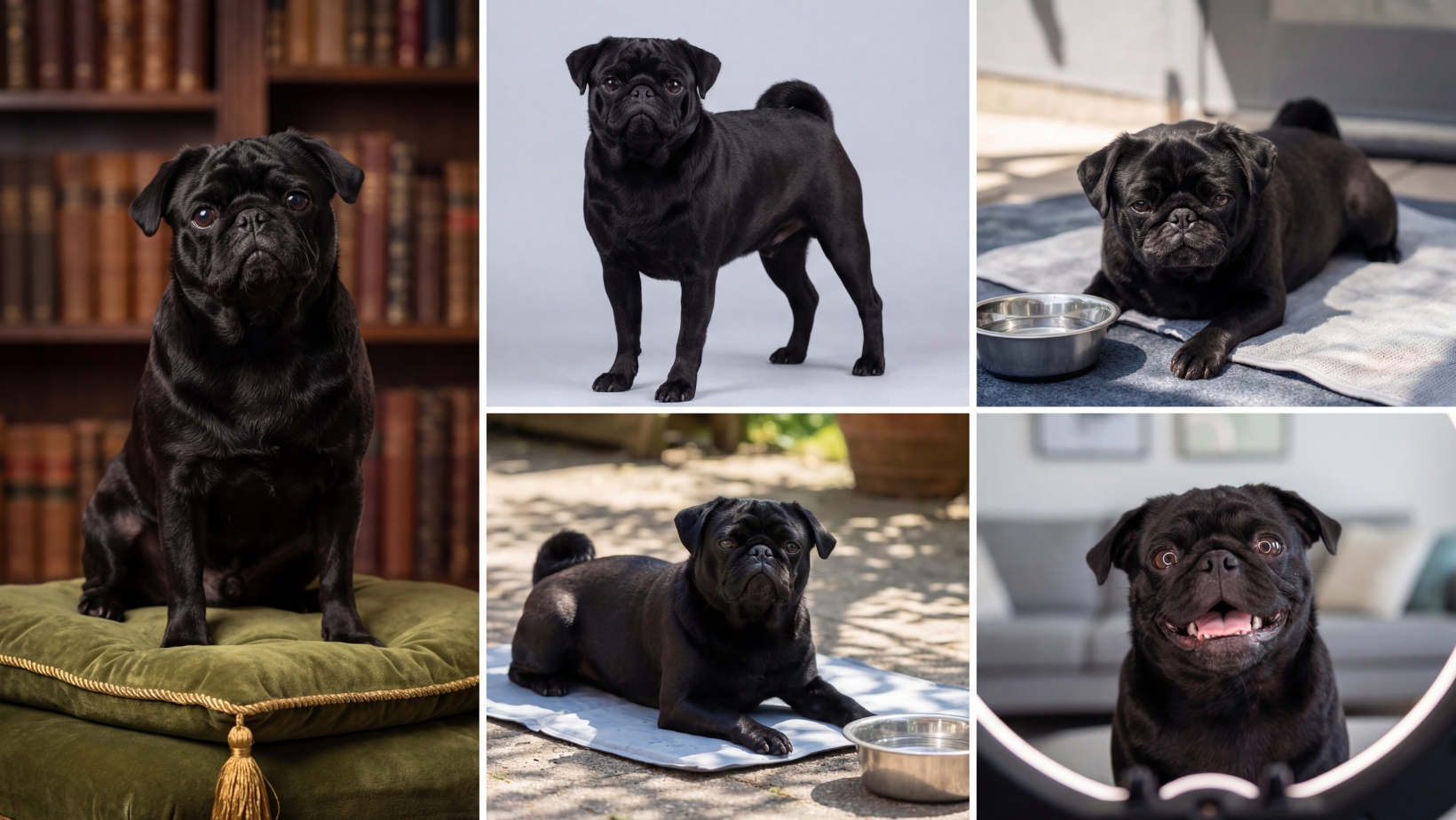
Temperature Sensitivity
Fawn coats offer moderate sun protection compared to black pugs, who overheat faster due to dark fur absorbing heat. However:
- The dense undercoat of fawn pugs can trap warmth, making them prone to overheating in humid weather.
- Light-colored skin under the coat can be susceptible to mild sunburn, particularly on thin-furred areas like ears and bellies.
- Owners should avoid peak sun exposure and always provide shade and water.
Pigmentation Quality and Genetic Health Indicators
Healthy fawn pugs have:
- Deep black noses without pink spotting.
- Dark brown or black eyes, free from dilution.
- A solid black mask, not faded or patchy.
Dilution in these areas may indicate weaker pigment genes, sometimes resulting from poor breeding practices. Ethical breeders aim to preserve strong color contrast without compromising health, avoiding excessive inbreeding for show-preferred tones.
Key Fawn-Specific Physical Traits Recap:
- Standard toy breed size, with fawn pugs often bred closer to show ideal measurements.
- A range of unique shades, from cream to silver, not seen in black pugs.
- Bold black points on the face, ears, and sometimes spine trace—hallmarks of the color standard.
- Shedding is highly visible, requiring diligent grooming routines.
- Heat and sun sensitivity need to be managed year-round.
Looking for a healthy fawn pug puppy with strong markings and proper size standards? See our Pugs for Sale Guide for breeder tips and adoption recommendations.
Temperament & Personality of Fawn Pugs – What Sets Them Apart

The “Classic Pug Personality” in a Fawn Coat
While all pugs are known for their affectionate, clownish, and sociable nature, fawn pugs dominate households worldwide, shaping much of what people expect from the breed’s personality. Their sheer popularity means behavioral data, adoption statistics, and training success rates are better documented for fawn pugs than for any other color variant.
Studies by the Pug Dog Club of America (PDCA) suggest that fawn pugs make up over 70% of pug adoptions, meaning many owners report similar experiences:
- Extremely people-oriented – often called “velcro dogs,” they prefer constant companionship.
- Playful but not hyperactive – short bursts of energy followed by long naps.
- Comical charmers – known for entertaining their families with quirky antics and silly facial expressions.
While these are shared pug traits, the higher volume of fawn pug ownership allows for better socialization statisticsand more robust temperament data, making it easier for prospective owners to know what to expect.
Why Fawn Pugs Seem More Sociable
Owners and trainers often describe fawn pugs as:
- Outgoing and social butterflies, readily approaching strangers and other dogs.
- Eager to please, making them more responsive to basic obedience training.
- Calm around children, especially compared to smaller breeds known for nervousness.
While these traits exist across all pug colors, fawn pugs benefit from generations of selective breeding for temperament. Because they have historically been the most in-demand, breeders often chose friendly, affectionate parents, gradually enhancing these social traits over centuries.
Adaptability to Different Homes
Fawn pugs are widely considered one of the most adaptable companion dogs, thriving in:
- Small apartments: Their compact size and moderate exercise needs fit urban living.
- Large homes with children: They’re patient and love playtime with kids.
- Multi-pet households: Generally friendly with cats and other dogs if properly introduced.
The only scenario that doesn’t suit a fawn pug is a home where they’re left alone for long hours, as they are prone to separation anxiety and may become vocal or destructive if neglected.
Training Characteristics
Fawn pugs typically score high for trainability compared to some other toy breeds:
- They respond well to positive reinforcement and treat-based training.
- Their food motivation makes them quick learners but also prone to overeating if rewards aren’t managed properly.
- They enjoy short, fun training sessions, thriving on praise and human interaction.
Consistency is key, as pugs can be stubborn at times. Early obedience classes or structured home training help avoid bad habits, such as jumping up, begging at the table, or excessive barking for attention.
Behavioral Trends from Popularity
Because fawn pugs make up most of the breed’s population:
- They’re well-studied in temperament testing, showing low aggression levels compared to other small breeds.
- Socialization success rates are higher simply due to frequent exposure to humans, other pets, and diverse environments.
- More experienced breeders and trainers have refined temperament expectations, making behavioral surprises rare.
This doesn’t mean every fawn pug is perfectly behaved, but prospective owners have a clearer picture of likely traits, reducing the unpredictability that sometimes comes with rarer colors or mixed genetics.
Potential Behavioral Challenges
Even with their friendly disposition, fawn pugs can display:
- Separation anxiety if left alone too often.
- Stubborn streaks, making recall and leash training slow without consistency.
- Excessive barking or whining for attention if unintentionally reinforced.
Behavioral issues are typically mild and manageable with positive, reward-based training and plenty of companionship.
The “Velcro Dog” Effect
Fawn pugs thrive on constant human contact. They:
- Prefer to follow their owners from room to room.
- Curl up on laps, beds, or couches at every opportunity.
- Struggle with prolonged solitude, requiring crate training or pet-sitters if left alone.
This makes them ideal for families, retirees, or work-from-home owners, but less suited for those away 8–10 hours daily.
✅ Key Fawn-Specific Personality Insights:
- Documented temperament makes them the most predictable pug variant behaviorally.
- Centuries of selective breeding enhanced sociability and trainability.
- High adaptability to various living environments.
- Potential for separation anxiety, requiring dedicated companionship.
Strong food motivation – good for training but needs portion control.
🔗 Planning to adopt a fawn pug? Check out our Pugs for Sale Guide for advice on finding well-socialized puppies from reputable sources.

Last update on 2025-02-12 / * Affiliate links / Image source: Amazon Product Advertising API
Health, Risks & Longevity of Fawn Pugs

General Health Overview
Like all pugs, fawn pugs are brachycephalic dogs, meaning their short muzzles can predispose them to certain respiratory and eye conditions. However, because fawn is the most common color, we have the most comprehensive data on their health and lifespan compared to other variants. This allows owners and breeders to make more informed decisions about preventive care.
On average, a well-bred fawn pug can live 12–15 years, with proper veterinary care, weight management, and an active, balanced lifestyle.
Color-Linked Genetic Factors
While coat color itself rarely causes major health problems, certain breeding trends linked to fawn pugs can have indirect impacts:
- Overbreeding for popularity: As the most in-demand color, fawn pugs are sometimes produced by high-volume breeders prioritizing quantity over quality, increasing the risk of inherited conditions.
- Dilution genes in silver or very light fawns: Extremely pale or silver-fawn pugs may carry weaker pigmentation genes, sometimes associated with skin sensitivity or higher risk of sunburn and dermatitis.
- Show-standard exaggerations: Breeders focusing heavily on flat faces and wrinkle depth in fawn pugs can increase the likelihood of brachycephalic obstructive airway syndrome (BOAS) compared to pugs bred with moderate muzzle length.
Ethical breeders work to balance color and conformation without sacrificing health, producing fawn pugs that meet breed standards while reducing known risks.
Common Health Risks in Fawn Pugs
Respiratory Problems
- Cause: Short muzzle and narrow nostrils, sometimes more pronounced in show-bred fawn lines.
- Impact: Noisy breathing, snoring, heat intolerance, or severe BOAS requiring surgery.
- Prevention: Choose breeders who prioritize functional nostrils and less extreme flatness, maintain healthy weight, and avoid overexertion in heat.
Eye Injuries & Conditions
- Cause: Prominent, protruding eyes with less protection from brow ridges.
- Impact: Scratches, ulcers, or “dry eye” (keratoconjunctivitis sicca).
- Note: High adoption numbers mean most pug eye health studies are based on fawn populations, making monitoring guidelines well-established.
Skin Sensitivities
- Cause: Light-colored coats, especially pale fawns, may allow more UV exposure.
- Impact: Sunburn on ears, dermatitis in skin folds.
- Prevention: Use dog-safe sunscreen for sensitive areas, keep wrinkles clean and dry.
Allergies & Shedding Issues
- Fawn pugs are high shedders, which can indicate skin imbalances if excessive.
- Allergies to food, pollen, or grooming products may show more visibly on light coats (redness, hair thinning).
Weight-Related Concerns
- Their high food motivation can lead to obesity, which worsens breathing problems and joint stress.
- Veterinary nutritionists recommend portion-controlled diets, especially for neutered/spayed pugs prone to weight gain.
Average Lifespan of Fawn Pugs
With responsible breeding and good care:
- Average lifespan: 12–15 years.
- Long-lived cases: Some fawn pugs live beyond 16–17 years when kept lean, active, and regularly monitored for respiratory or cardiac issues.
Retro-bred fawn pugs (slightly longer muzzles) show improved breathing and exercise tolerance, potentially enhancing longevity by 1–2 years compared to extreme flat-faced lines.
Preventive Health Recommendations
To maximize a fawn pug’s quality of life:
- Breeder selection: Insist on health-tested parents, particularly for BOAS, eye, and joint screenings.
- Weight control: Keep body condition lean to reduce airway and mobility issues.
- Environmental care: Avoid overexertion in heat, protect light skin from sunburn.
- Regular vet visits: Twice-yearly checkups, early BOAS screening, and eye exams.
- Wrinkle cleaning: Daily wipe-downs to avoid skin infections.
Key Fawn-Specific Health Insights:
- Most studied pug population, meaning best-documented health data.
- Popularity-driven overbreeding can increase genetic risk if breeders cut corners.
- Light-colored coats may require extra skin and sun care.
- Responsible breeding & proactive care lead to long, healthy lives comparable or superior to other pug colors.
🔗 Planning to buy or adopt a fawn pug puppy? Check out our Pugs for Sale Guide for tips on spotting healthy litters, certified breeders, and adoption options near you.
Care, Diet & Grooming for Fawn Pugs
Tailored Care Needs for Fawn Pugs
While pugs in general have similar care requirements, fawn pugs present unique considerations because of their light-colored coats, high shedding visibility, and sun sensitivity. Proper maintenance not only keeps them looking their best but also prevents common coat and skin issues associated with lighter fur pigmentation.
Coat Care: Managing Shedding and Stains
Fawn pugs have short, double-layered fur that sheds heavily year-round. Unlike black pugs, their hair is highly visible on clothing and furniture, requiring extra diligence in grooming.
Key fawn-specific coat tips:
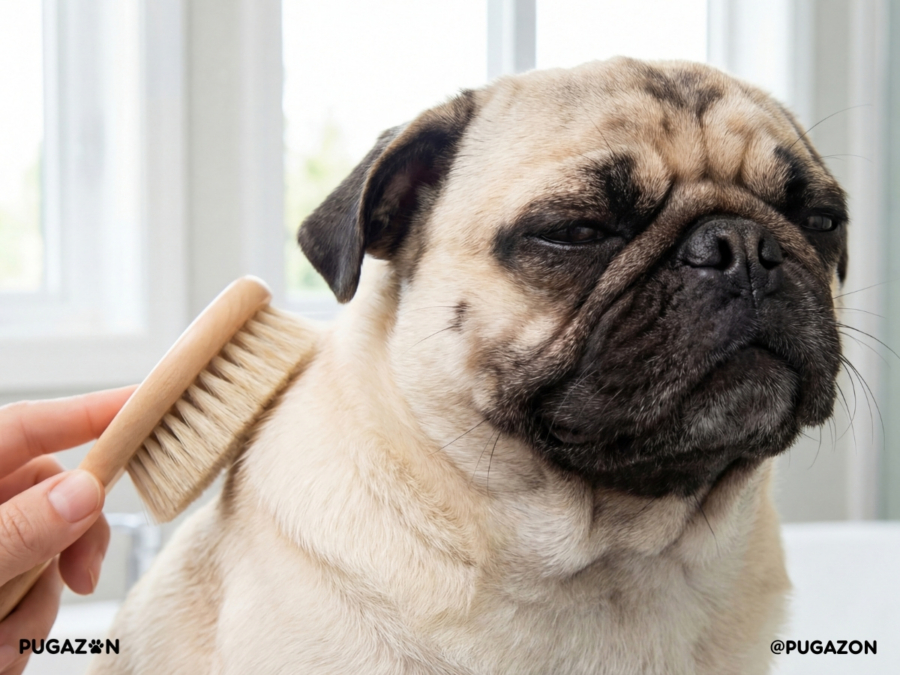
- Frequent brushing: Aim for 4–5 times per week using a rubber curry brush or grooming glove to capture loose fur and spread natural oils for a healthy shine.
- Lint and fur removal: Owners often keep lint rollers or pet vacuums handy due to the visibility of light fur on dark fabrics.
- Stain prevention: The light coat shows tear stains and dirt marks more easily than darker pugs. Use a gentle, tear-stain remover around eyes and wipe paws after outdoor walks.
Bathing frequency: Every 4–6 weeks, but more often for outdoor dogs prone to staining on legs and belly fur.
Skin and Sun Protection
Light-colored coats provide less UV protection:
- Use dog-safe sunscreen on ears, nose, and belly when outdoors for long periods.
- Avoid prolonged sun exposure during peak heat to prevent sunburn or overheating.
- Light fawn pugs may have more visible skin irritation or redness, making early detection of allergies or dermatitis easier but requiring quicker treatment.
Diet Considerations for Coat and Weight
Fawn pugs benefit from a balanced diet rich in omega-3 fatty acids to maintain:
- A healthy, glossy coat, reducing dullness and excess shedding.
- Skin elasticity, which can help prevent irritation from sun exposure or dryness.
Feeding guidelines:
- High-quality kibble or wet food with fish oil or flaxseed supplements.
- Portion control is critical—fawn pugs are just as prone to obesity as others, but excess weight shows more clearly against a light coat, making it easier to track.
- Avoid overusing treats during training; opt for low-calorie rewards or portion treats from daily meals.
Wrinkle Care for Light Coats
Wrinkle hygiene is essential for all pugs, but light coats make tear and fold staining highly visible:
- Daily wrinkle cleaning with pet-safe wipes to prevent moisture buildup, bacteria, and discoloration of the fur around folds.
- Apply a vet-approved drying powder if folds remain damp to reduce infection risk.
- Regular cleaning also minimizes yeast odor and staining on light fur, which is more noticeable on fawn coats than black.
Nail and Paw Care
Because fawn pugs often have lighter nails, owners can more easily see the quick (blood vessel inside the nail). This can make trimming less risky than on black nails, but it still requires caution:
- Trim every 2–3 weeks to maintain proper paw posture.
- Clean paws after walks to avoid staining from mud or dirt, which shows more prominently on light fur and pads.
Seasonal Care Adjustments
- Spring/Summer: Fawn pugs may shed more heavily, requiring increased brushing sessions and vacuuming to keep loose hair under control. Their light coat provides some relief from heat compared to black pugs, but dense undercoats still trap warmth, so avoid midday walks.
- Autumn/Winter: Coat thickness increases; continue brushing to prevent tangles and matting in thicker patches of fur. Light fawn coats may need extra moisturizing shampoos to prevent dryness and dandruff in cold weather.
Fawn-Specific Care Checklist
- Brush 4–5 times weekly to manage visible shedding.
- Clean eyes, wrinkles, and paws daily to prevent staining on light fur.
- Protect from UV exposure with shade or dog sunscreen.
- Supplement diet with omega oils for coat health.
- Keep fur spotless to maintain the breed’s classic show-quality appearance.
Looking for the best grooming tools and coat-care products for fawn pugs? Explore our upcoming Pugs for Sale Guide for recommended brushes, wipes, and vet-approved supplements.
Ethical & Legal Considerations in Buying or Adopting Fawn Pugs

The High Demand for Fawn Pugs
Fawn pugs are by far the most sought-after color variant, making up roughly 70–80% of registered pug litters worldwide. This demand often leads to:
- Overbreeding: Some breeders prioritize producing large numbers of fawn puppies over maintaining genetic health.
- Inflated prices: “Show-quality” fawn pugs or “rare silver-fawn” puppies are frequently listed at higher prices, sometimes unjustifiably.
- Unethical breeding practices: Puppy mills and backyard breeders may exploit the popularity of this color to profit at the expense of the dogs’ welfare.
Understanding these risks helps prospective owners avoid scams and support responsible breeders or adoption centers.
Identifying Reputable Fawn Pug Breeders
A legitimate breeder will:
- Provide health certificates for parents and puppies (screened for common pug issues like BOAS, hip dysplasia, and eye conditions).
- Be registered with a recognized kennel club (AKC, UK Kennel Club, or PDCA).
- Allow you to visit the breeding facility or offer video calls to see living conditions.
- Never push “rare” color upsells (e.g., silver-fawn puppies at exorbitant prices) without pedigree documentation.
- Offer written contracts, including a return clause if you can no longer keep the dog.
Red flags include:
- No verifiable health testing records.
- Litters advertised as “rare” or “designer” fawn purely for inflated pricing.
- Multiple different breeds or colors sold indiscriminately by the same seller.
- Reluctance to answer questions or show where puppies are raised.
The “Rare Fawn” and “Exotic Color” Scam
Some sellers market certain fawn variations (e.g., “blue fawn,” “chocolate fawn,” “silver platinum fawn”) as exclusive or rare, charging thousands more. In many cases:
- These are simply normal fawn puppies with slight shade differences.
- “Rare” color claims can indicate crossbreeding with non-pug breeds, compromising breed purity and possibly health.
- No major kennel club recognizes these shades as separate from standard fawn.
Tip: Always verify pedigree papers and ask for independent confirmation of color classification from recognized clubs before paying a premium.
Legal Aspects of Buying a Fawn Pug Puppy
In most countries:
- Licensed breeders must meet specific welfare standards for living conditions, veterinary care, and litter frequency.
- Sales contracts should include health guarantees, return policies, and registration documents.
- Import/export laws may apply if buying internationally—unregulated imports often involve puppy farms or smuggling operations.
Failure to check legality can result in:
- Purchasing a dog from illegal puppy mills.
- Supporting unethical breeding networks.
- Owning an unregistered or sick puppy without recourse for veterinary costs.
Adoption as an Ethical Alternative
Due to their popularity, fawn pugs often end up in rescues through no fault of their own (owner relocation, medical bills, etc.). Reputable rescue organizations:
- Provide health checks, vaccinations, and microchipping before adoption.
- Offer behavioral assessments, matching you with the right temperament.
- Typically charge far less than breeders, with fees covering medical costs.
Adopting from a rescue is a highly ethical way to give a fawn pug a loving home while reducing demand for overbreeding.
Connecting to Trusted Listings
The upcoming Pugs for Sale Guide will:
- List verified, reputable breeders registered with kennel clubs.
- Highlight rescue and adoption options for fawn pugs across regions.
- Provide checklists for spotting scams, puppy mill conditions, and fake pedigree claims.
- Offer guidance on safe online purchasing, avoiding illegal imports or unethical sellers.
This ensures you can find a healthy, ethically bred fawn pug while discouraging irresponsible breeding practices.
Key Buyer Takeaways
- Never buy based on “rare” or “exclusive” color claims alone.
- Demand health certificates, pedigree, and breeder transparency.
- Consider rescue organizations as a compassionate alternative.
- Use verified breeder lists and resources (like our upcoming Pugs for Sale Page) to ensure safe, ethical purchasing.
Fun Facts & Trivia About Fawn Pugs
The Color of Royalty
Fawn pugs were historically considered a symbol of prestige and nobility. Ancient Chinese emperors often chose light-coated pugs for their palaces, associating the color with purity, prosperity, and divine favor. When pugs arrived in European courts during the 16th century, fawn dogs were favored by aristocrats, making them the default image of the breed’s royal heritage.
The Pompey Effect
One of the most famous fawn pugs in history, Pompey, became a legend in the Netherlands during the 1570s. He reportedly alerted Prince William of Orange to an assassination attempt, saving his life. This heroic act established the pug as a symbol of loyalty in Europe, with fawn pugs becoming especially popular among the Dutch royal family and later throughout Europe.
The Show Ring Dominator
Statistics from major kennel clubs show that fawn pugs win more show titles than any other color. Because fawn is the most common and most recognized color, breeders often focus on refining show-quality fawn lines. This has made them the gold standard in pug competitions, setting benchmarks for ideal structure, markings, and temperament.
The Trace Line Mystery
Many fawn pugs have a thin black stripe along their spine, known as the “trace.” This unique marking doesn’t appear on black pugs and is considered a desirable feature in the show ring. The trace is believed to be a genetic throwback to the early pug ancestors in China, though not all fawn pugs inherit it.
Variations in Shade Are More Common in Fawn Pugs
While black pugs are solid in color, fawn coats vary dramatically, even within the same litter. A single pair of fawn pug parents can produce light cream, apricot, and silver fawn puppies, making each dog visually unique despite sharing the same genetic color classification.
The Global Standard Setter
Because fawn pugs make up the majority of the breed’s population worldwide:
- Most health, behavior, and training studies are based on fawn pug data.
- Breed standards and competitions typically use fawn pugs as the reference model.
- When people imagine or draw a pug, they almost always depict a fawn-coated version.
More Likely to Have Show Breeding Lineage
Due to high demand and competition history, many fawn pugs descend from show-winning bloodlines. While this does not guarantee quality in every puppy, it means prospective owners often find better-documented pedigrees in fawn lines compared to rarer colors.
Easier to Photograph for Pet Media
A quirky fact noted by photographers: fawn pugs are easier to photograph than black pugs, as their lighter coats capture details and expressions better under studio or natural lighting. This is partly why most marketing and pop culture imagery of pugs features fawn dogs.
Key Takeaway
Fawn pugs are not just the most common pug color—they’re the historical, cultural, and visual benchmark for the entire breed, shaping how the world sees pugs to this day. Their dominance in history, shows, and media makes them a unique part of the pug’s enduring global legacy.
Adopting or Buying Fawn Pugs
Choosing a fawn pug is a long-term commitment, and finding a healthy, well-bred puppy or adopting from a reputable rescue is essential for both you and the dog’s welfare. Due to high demand, fawn pugs are commonly advertised online, but not all sources are trustworthy.
Key Steps Before You Buy or Adopt
Research registered breeders affiliated with recognized kennel clubs like the AKC, UK Kennel Club, or PDCA.
Verify health testing records for the puppy’s parents, particularly for breathing, eye, and joint conditions.
Be cautious of inflated prices for so-called “rare” fawn or silver-fawn puppies. These color variations are not separate breeds.
Consider reputable rescue organizations where fawn pugs often need rehoming.
For verified breeder lists, adoption resources, and tips to avoid scams, visit our upcoming Pugs for Sale Guide. This resource will help you make an informed, ethical decision when adding a fawn pug to your family.
FAQs About Fawn Pugs

Yes, fawn is one of the two officially recognized pug colors (fawn and black). As long as a puppy comes from registered, health-tested parents, it is considered purebred regardless of whether its shade is cream, apricot, or silver fawn.
Apricot pugs are a variation of the fawn color, showing a deeper, reddish-gold tone. Both are classified as fawn in official breed standards. Differences are purely cosmetic and have no impact on personality or health.
Silver fawn pugs are less common than cream or apricot tones, making them appear rare. However, they are not a separate color category and should not be sold for inflated prices. Always verify pedigree claims with kennel clubs before purchasing.
In the United States, fawn pug puppies typically range from $1,000–$2,500, depending on breeder reputation, location, and lineage. Show-quality puppies may cost more, while rescues are often available at significantly lower fees.
Color does not directly influence health, but overbreeding of fawn pugs due to high demand can increase the risk of genetic conditions. Choosing an ethical breeder who conducts health screenings is more important than coat color for long-term well-being.
Shedding levels are similar for all pugs, but fawn hair is more visible on dark clothing and furniture. Frequent brushing and proper nutrition can reduce loose fur and keep the coat healthy.
Yes, many fawn pug puppies darken or lighten slightly as they mature. Apricot tones may become more defined, while very light coats may deepen over time. Final color is typically established by 12–18 months of age.
Yes. Fawn pugs dominate dog shows because they are the most common color globally and align closely with traditional breed imagery and standards.
While general grooming needs are the same for all pugs, staining and dirt are more visible on fawn coats. Owners should clean wrinkles and paws daily, use tear-stain removers if necessary, and brush more frequently to manage shedding.
Fawn pugs generally live 12–15 years with proper care. Retro-bred fawn pugs, bred with slightly longer muzzles, may have improved breathing and potentially longer lifespans compared to flat-faced show lines.
Yes. Their predictable temperament, friendly personality, and adaptability make them excellent companions for beginners. Prospective owners should be prepared for grooming and health management responsibilities.
Prices are often similar, but some breeders charge more for fawn puppies because they are in higher demand or considered “classic.” Buyers should focus on health certifications over color when choosing a puppy.
No scientific evidence links coat color to increased health problems. However, irresponsible breeders producing large numbers of fawn pugs without health checks can increase the risk of inherited conditions.
Yes. Many fawn pugs enter rescue organizations due to owner changes in circumstances. Adopting is an ethical, cost-effective way to provide a loving home while avoiding unethical breeding networks.
Avoid breeders who:
- Offer “rare” color claims without pedigree proof.
- Refuse health testing documents or facility visits.
- Sell puppies under 8 weeks old or without vaccination records.
- Have multiple breeds for sale without clear breeding standards.
For detailed buyer checklists, see our Pugs for Sale page.