Last updated on February 12th, 2026
- Introduction
- History & Origins of the Porgi (Pug Corgi Mix)
- Recognition & Breed Status
- Physical Traits of Porgi
- Temperament & Personality of Porgis (Pug Corgi Mix)
- Health, Risks & Longevity of Porgis
- Care, Diet & Grooming for Porgis
- Ethical Buying & Adoption Considerations
- Fun Facts & Trivia About Porgis (Pug Corgi Mix)
- Adopting or Buying a Porgi (Pug Corgi Mix)
- FAQs About Porgis (Pug Corgi Mix)
Introduction
The Porgi, a charming crossbreed between a pug and a corgi, has been steadily growing in popularity thanks to its adorable looks, affectionate personality, and lively temperament. Often referred to as the pug corgi mix, this designer hybrid combines the best traits of both parent breeds—pugs known for their loving, people-oriented nature and corgis celebrated for their intelligence, playfulness, and working-dog roots.
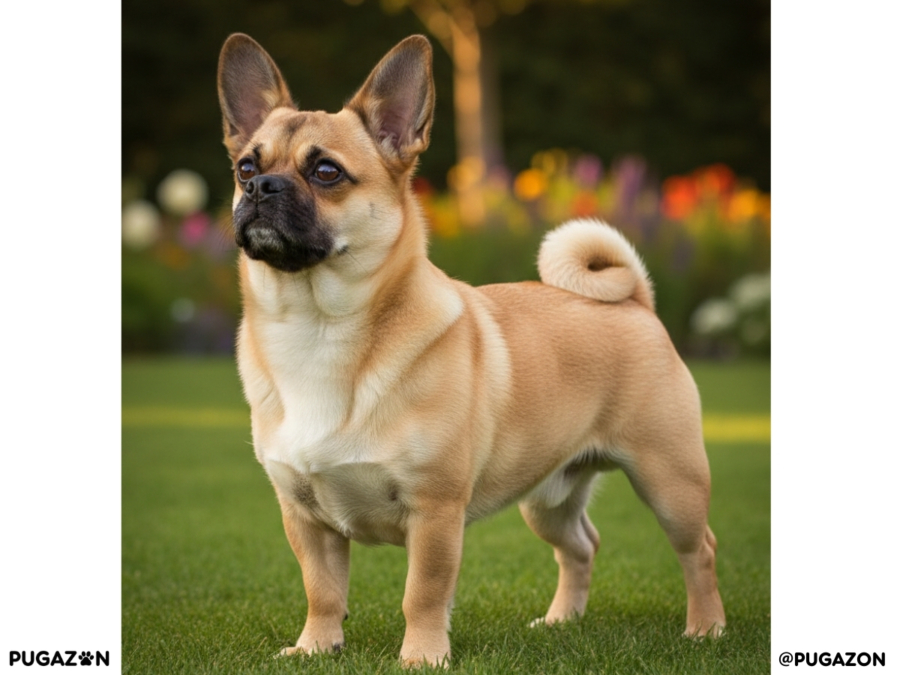
No two Porgis are alike. Some inherit the pug’s round face and calm demeanor, while others lean toward the corgi’s longer body, upright ears, and active personality. This variability makes the Porgi a truly unique companion but also means potential owners should understand the full range of possibilities before committing to this hybrid breed.
This guide provides a comprehensive look at the Porgi (pug corgi mix), covering its history, recognition status, physical traits, temperament, health considerations, and care needs. If you’re looking to adopt or purchase a Porgi, it’s essential to find ethical breeders or rescues. For verified listings and trusted adoption resources, visit Pugs for Sale.
History & Origins of the Porgi (Pug Corgi Mix)
The Porgi is a modern hybrid dog, intentionally bred to merge the affectionate, clownish pug with the energetic, smart, and agile corgi.
Purpose of the Cross
- To create a small-to-medium companion dog with a loving nature and lively spirit.
- Breeders aimed to combine the pug’s charming, family-oriented temperament with the corgi’s intelligence and stamina, producing a unique yet manageable pet for various households.
Popularity
- The Porgi has gained attention in North America and Europe over the past two decades as part of the designer dog trend.
- Its distinctive look—a blend of pug features and corgi proportions—has made it a favorite among hybrid enthusiasts seeking something different from traditional purebreds.
Recognition
- The American Kennel Club (AKC) and other major kennel clubs do not recognize the Porgi as a separate breed.
- Some hybrid registries accept pug corgi mixes if both parents are registered purebreds.
- Without an official standard, appearance and personality vary widely between litters.
Recognition & Breed Status

As a crossbreed:
- No official breed standard exists, so Porgis cannot participate in conformation dog shows.
- They can join mixed-breed events, such as agility, obedience, and trick competitions, where their intelligence often shines.
- Porgis are primarily bred as family companions, not working dogs, despite inheriting some of the corgi’s herding instincts.
Designer Dog Debate
Supporters: Love the combination of the pug’s affectionate personality with the corgi’s cleverness and stamina.
Critics: Point to genetic unpredictability and warn against unethical breeders who prioritize profits over health testing and responsible care.
Physical Traits of Porgi
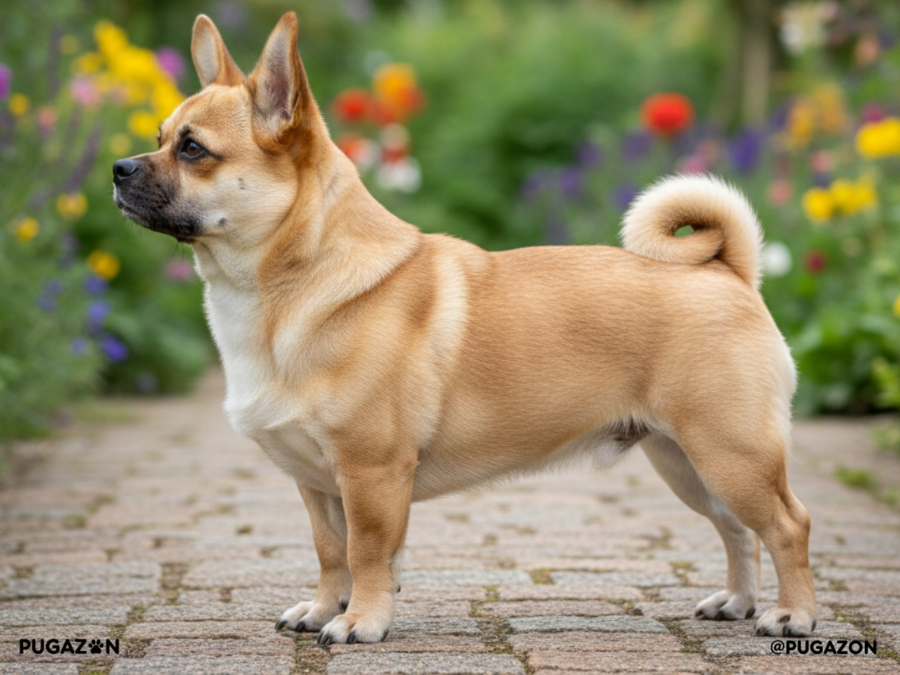
Porgis can inherit a unique blend of features from both parent breeds, leading to significant variation in appearance from one dog to another.
Size and Build
- Height: 10–13 inches (25–33 cm).
- Weight: 18–30 pounds (8–13.5 kg).
- Frame: Stocky and muscular like a pug or longer-bodied with short legs like a corgi.
Coat and Coloring
- Coat Type: Usually a short to medium double coat with seasonal shedding, more corgi-like than pug.
- Color Variants: Fawn, black, tan, brindle, or multi-colored patterns with possible white chest and paw markings.
Facial Features
- Muzzle: May range from flat-faced (pug) to moderately long (corgi).
- Ears: Floppy or erect, often a blend between both parent breeds.
- Tail: Often curls upward like a pug’s but can be straight like a corgi’s.
Grooming Needs
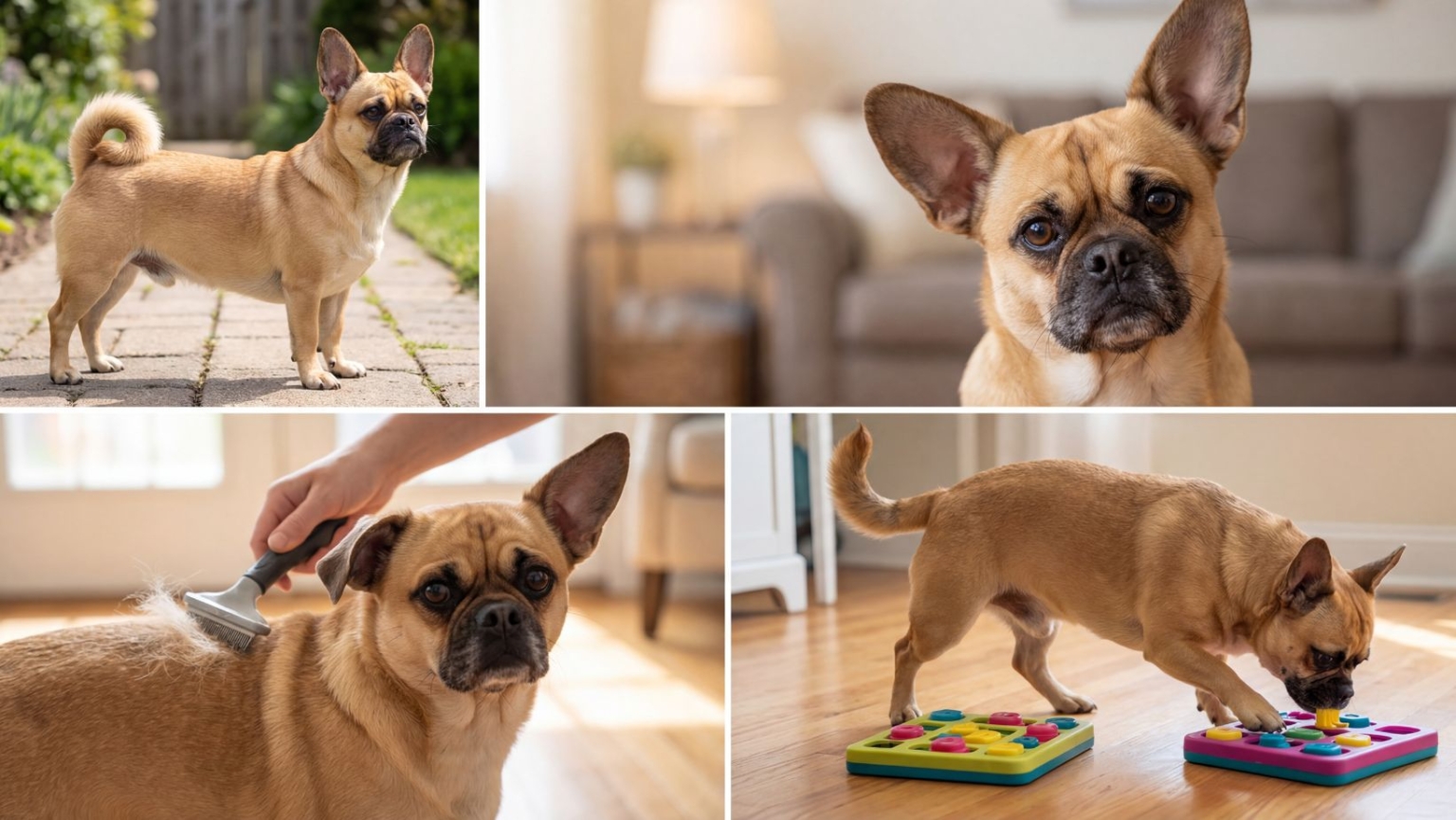
- Brushing: 2–3 times weekly, daily during shedding seasons.
- Bathing: Every 4–6 weeks with mild dog shampoo.
- Wrinkle Care: If pug-like folds are present, clean daily to prevent irritation.
- Nail and Dental Care: Regular trimming and brushing are essential.
Temperament & Personality of Porgis (Pug Corgi Mix)

Porgis are often described as friendly, intelligent, and affectionate companions with just the right amount of humor and mischief. Their temperament is influenced by both parent breeds, meaning no two Porgis are identical in personality.
Key Traits
- Affectionate: Pugs are well known for their devotion, and most Porgis inherit this trait, often forming strong bonds with their families.
- Intelligent & Alert: Thanks to their corgi lineage, Porgis are quick learners and attentive watchdogs.
- Playful & Energetic: They enjoy daily play sessions and moderate walks, thriving in interactive households.
- Social: With early socialization, they are generally good with children, other dogs, and even cats.
Potential Challenges
- Stubbornness: A mix of pug’s independent streak and corgi’s strong will can make training a test of patience.
- Vocal Tendencies: Some Porgis inherit corgi-level alertness, leading to frequent barking if not trained early.
- Herding Instincts: Corgi genetics may cause nipping or herding behaviors, especially around small children or other pets.
- Separation Anxiety: Like pugs, they don’t like being left alone for long hours
Health, Risks & Longevity of Porgis
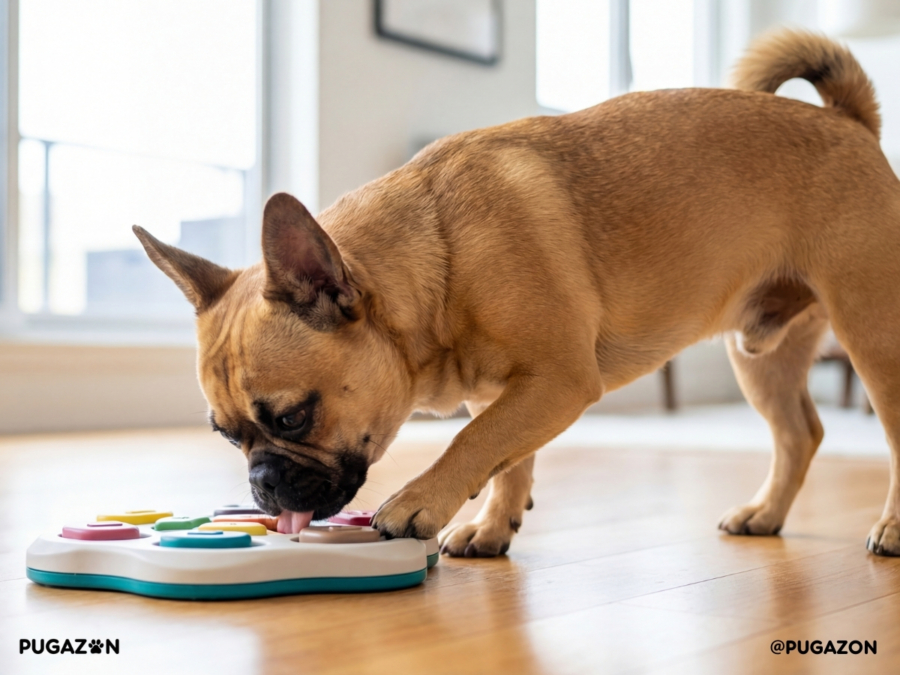
While hybrid vigor can improve genetic diversity, Porgis may still inherit health issues from either parent breed.
Common Health Concerns
- Respiratory Problems: Flat-faced Porgis may suffer from brachycephalic airway syndrome, leading to breathing difficulties.
- Joint Issues: Hip dysplasia and patellar luxation are common in both pugs and corgis.
- Back Problems: Long-bodied Porgis may develop intervertebral disc disease, similar to dachshund-like spinal issues.
- Obesity: Both parent breeds love food, making weight control essential for joint and heart health.
- Eye Conditions: Dry eye, ulcers, and proptosis can occur due to pug genetics.
Lifespan
With proper care, Porgis typically live 12–15 years, benefitting from a balanced diet, regular exercise, and preventive veterinary visits.

Last update on 2025-02-12 / * Affiliate links / Image source: Amazon Product Advertising API
Care, Diet & Grooming for Porgis
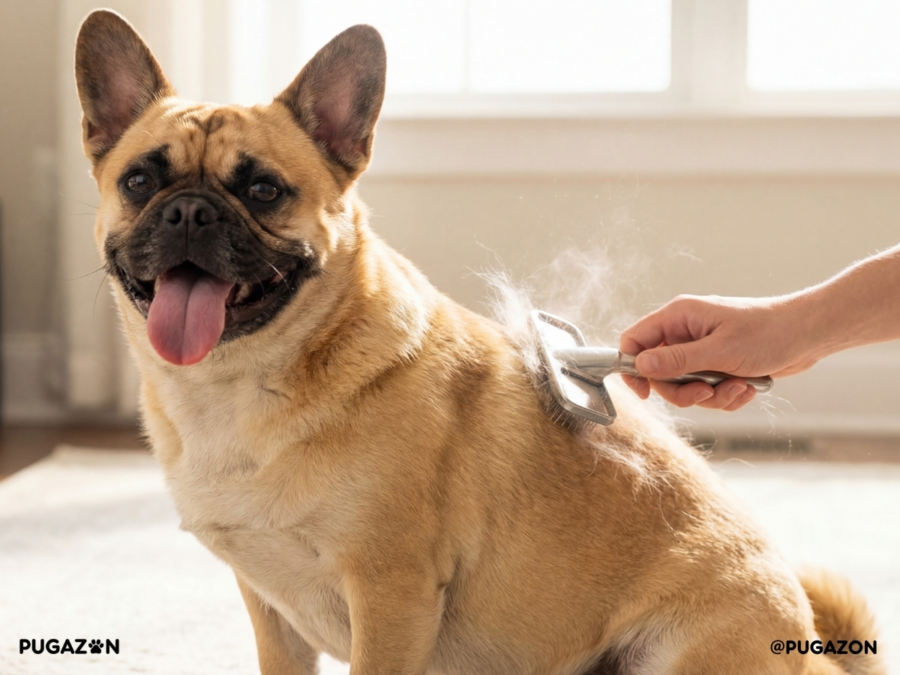
Porgis are relatively easy to care for, but their coat type and build determine specific grooming and exercise needs.
Grooming
- Brushing: 2–3 times weekly to control shedding; daily during seasonal changes.
- Wrinkle Cleaning: If pug-like folds are present, clean daily to prevent bacterial infections.
- Dental Care: Regular brushing to avoid plaque buildup.
- Nail Trimming: Every 3–4 weeks.
- Bathing: Every 4–6 weeks with gentle dog shampoo.
Diet
- Small-to-Medium Breed Formula: High-quality dry or wet food tailored to their size.
- Portion Control: Porgis are prone to overeating, making measured meals crucial to avoid obesity.
- Supplements: Fish oil and glucosamine may benefit joint health, especially for long-bodied Porgis.
Exercise
- Daily Walks: 30–45 minutes of light to moderate activity.
- Playtime: Interactive toys and mental stimulation (puzzle feeders) help burn energy and reduce boredom.
- Avoid Jumping: To protect their backs, discourage jumping off furniture if they have corgi-like build.
Ethical Buying & Adoption Considerations

Porgis have become increasingly popular, attracting both responsible breeders and unethical puppy mills focused on quick profits.
Risks in the Market
- Unscreened Breeding: Leads to joint issues, breathing problems, and unpredictable temperaments.
- False Claims: Some sellers market generic pug mixes as “rare porgis” to inflate prices.
- High Pricing: Designer breed hype has driven costs up without guaranteeing health or pedigree.
Choosing Responsibly
- Meet Both Parents: To verify pug and corgi lineage and observe temperament.
- Request Health Clearances: Screenings for hip dysplasia, eye issues, and respiratory conditions are essential.
- Avoid “Ready Tomorrow” Puppies: Ethical breeders plan litters carefully and prioritize the health of both pups and parents.
Adoption Opportunities
Many Porgis and pug corgi mixes are found in rescues due to mismatches in energy levels or improper early training. Adoption provides:
- Lower costs compared to breeders.
- Transparency on behavior and health status.
- A chance to offer a forever home to a dog in need.
For verified breeders, trusted adoption listings, and expert advice on making an ethical choice, visit Pugs for Sale
Fun Facts & Trivia About Porgis (Pug Corgi Mix)

Two Breeds, Many Looks
No two pug corgi mix dogs look alike. Some Porgis have a corgi’s long body and short legs, while others inherit a more compact pug frame.
Born Comedians
Porgis often combine the pug’s clownish antics with the corgi’s clever tricks, keeping their families entertained for hours.
A Natural Watchdog
Thanks to corgi genes, many pug corgi mix dogs are alert and protective despite their small size.
Seasonal Shedding Champs
While pugs shed year-round, Porgis may blow their coat seasonally like a corgi, meaning fur tumbleweeds are inevitable.
Rising in Popularity
Though still a relatively rare hybrid, the Porgi is gaining attention in designer dog circles, with growing interest in pug corgi mix puppies worldwide
Adopting or Buying a Porgi (Pug Corgi Mix)
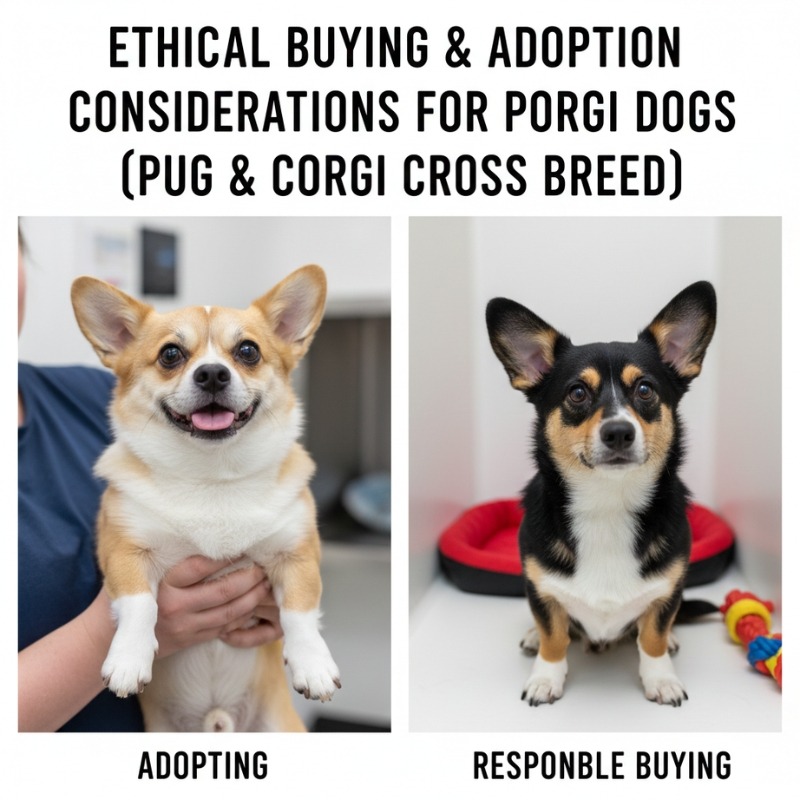
Porgis are lovable, intelligent, and unique dogs, but their increasing popularity has led to unverified breeders and puppy mills marketing pug corgi mix puppies at inflated prices or without proper health screening. Always prioritize health and responsible breeding over quick purchases or online ads.
For trusted breeder referrals and rescue listings, visit Pugs for Sale before making a decision.
FAQs About Porgis (Pug Corgi Mix)
A Porgi is a crossbreed between a pug and a corgi. Often called a pug corgi mix, this hybrid combines the pug’s affectionate, clown-like temperament with the corgi’s intelligence and playful energy.
Most Porgis grow to 10–13 inches tall and weigh 18–30 pounds, with build depending on parent genetics.
Yes, Porgis are typically friendly, loyal, and social. They do well with children and other pets, provided they’re socialized early.
They usually shed moderately to heavily, especially during seasonal changes, due to the corgi’s thick double coat.
Flat-faced Porgis may experience brachycephalic airway issues, while those with longer muzzles often breathe more easily
Potential issues include obesity, joint problems, back pain (for long-bodied Porgis), eye conditions, and respiratory concerns
With good care, pug corgi mix dogs generally live 12–15 years
Prices range from $800–$2,000, depending on breeder quality, location, and parent lineage. Always verify health screenings.
Yes, many rescues and shelters list pug corgi mix puppies and adults needing homes, often at a lower cost than breeders.
Porgis respond well to positive reinforcement. Their intelligence makes them quick learners, though stubbornness can appear, requiring patience and consistency.