


Last updated on January 21st, 2026
- Introduction
- What Is a Puginese Puppy? (Overview & Traits)
- Quick Facts About Puginese Puppies
- Growth & Weight Milestones (0–12 Months)
- Vet Care, Vaccinations & Preventatives
- Feeding Your Puginese Puppy
- Sleep, Toilet Training & Daily Routine
- Socialization & Early Training Foundations
- Grooming & Hygiene for Puginese Puppies
- Real Costs of Owning a Puginese Puppy
- Finding Ethical Puginese Puppy Sources
- Is a Puginese Puppy Right for You?
- FAQs – Puginese Puppies
- How much do Puginese puppies cost?
- How big will a Puginese puppy get?
- Are Puginese puppies good with kids?
- Do Puginese puppies shed?
- Are Puginese puppies hypoallergenic?
- How easy are Puginese puppies to train?
- What health issues do Puginese puppies face?
- How often should I feed my Puginese puppy?
- Can Puginese puppies be left alone?
- Where can I adopt or buy a Puginese puppy safely?
Introduction
Small, fluffy, and brimming with personality, Puginese puppies are a charming mix of Pug and Pekingese parent breeds. This designer hybrid combines the playful, clownish spirit of a Pug with the regal, devoted personality of a Pekingese, creating a loyal, affectionate companion ideal for families, singles, or seniors seeking a small, loving pup.
But raising a Puginese puppy goes beyond cute cuddles and wagging tails. They require the right nutrition, a structured routine, socialization, and consistent training to thrive. This guide covers everything you need to know during the first year of your Puginese puppy’s life—from growth milestones and feeding schedules to grooming needs, health care, and finding ethical breeders or safe adoption options.
🔗 Helpful links before we begin:
- Pugs for Sale – Verified listings for Puginese puppies for sale or adoption.
- Pug Breeders – How to find reputable breeders and avoid puppy mills.
- Puginese Breed Guide – Learn about adult traits and temperament.
What Is a Puginese Puppy? (Overview & Traits)
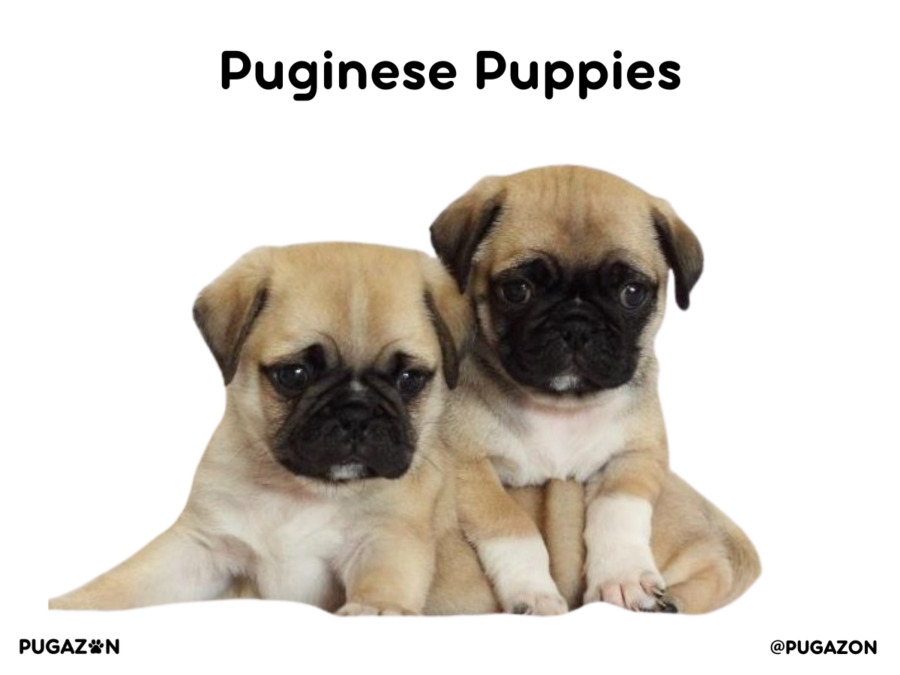
The Puginese puppy is a crossbreed combining the Pug’s affectionate, social nature with the Pekingese’s loyal, sometimes independent personality. Both parent breeds originated as companions to Chinese nobility, making the Puginese a true lapdog with a royal lineage.
Key Traits of Puginese Puppies
- Loyal and affectionate: Loves being close to their human family, often happiest on your lap.
- Alert and protective: May bark to alert you of visitors but usually warms up quickly.
- Low-to-moderate activity level: Enjoys playtime but doesn’t require long runs or intense exercise.
- Stubborn streak: Training requires patience and positive reinforcement.
- Compact size: Perfect for apartments or small homes, easy to travel with.
Appearance can vary: some Puginese puppies inherit the shorter muzzle of the Pug, while others have a slightly longer, flatter face like a Pekingese. Coat types also vary, from short and smooth to medium-length and fluffy, with colors including fawn, cream, black, or brindle
Quick Facts About Puginese Puppies
Trait | Details |
Parent Breeds | Pug × Pekingese |
Adult Size | 8–15 lbs (3.5–7 kg), 8–12 inches tall |
Energy Level | Low to moderate – enjoys daily walks, indoor play |
Temperament | Loyal, affectionate, slightly stubborn, playful |
Shedding Level | Moderate (depends on coat type) |
Grooming Needs | Weekly brushing, wrinkle cleaning, occasional trims |
Lifespan | 12–15 years |
Health Concerns | Breathing issues, eye problems, patella luxation, dental crowding |
Best For | Families with older children, singles, seniors seeking companion dogs |
Growth & Weight Milestones (0–12 Months)
Like most toy-to-small breed puppies, Puginese pups experience rapid growth in their first year. Their adult weight and size depend on which parent they take after more strongly.
Age | Average Weight | Growth Milestone |
8 weeks | 2–4 lbs | Settling into home, first vet visit, basic potty training |
3–4 months | 4–7 lbs | Teething phase, exploring environment, socializing |
5–6 months | 6–10 lbs | Adolescence begins, testing boundaries, higher energy |
7–12 months | 8–15 lbs | Nearing adult size, behavior patterns forming |
Tips for Healthy Growth
- Feed small-breed puppy food in measured portions to avoid excess weight gain.
- Avoid high-impact activities like jumping off furniture to protect developing joints.
- Schedule regular vet visits to monitor weight and growth patterns.
- Begin dental care early, as small breeds often suffer from crowded teeth.
🔗 See our Pug Health Care – Common Issues & Preventative Tips for more growth advice.
Vet Care, Vaccinations & Preventatives
Puginese puppies, like all small breeds, need consistent veterinary care in their first year to set them up for a long, healthy life.
Suggested Vet Schedule
Age | Care Recommendations |
8–10 weeks | First exam, DHPP vaccine, deworming, microchip |
12–16 weeks | Vaccine boosters, rabies shot, start flea, tick, and heartworm prevention |
5–6 months | Spay/neuter consultation, early dental evaluation, patella and breathing checks |
6–12 months | Annual wellness exam, boosters as needed, ongoing parasite prevention |
Potential Health Concerns
- Brachycephalic breathing issues: Short muzzles can make breathing in hot weather difficult.
- Eye injuries: Prominent eyes may be prone to scratches or infections.
- Patella luxation: Small breeds often have kneecap alignment issues.
- Dental problems: Crowded teeth require regular brushing or professional cleaning.
💉 Choosing a responsible breeder who tests parents for these conditions significantly reduces risks. Learn what to ask on our Pug Breeders page.
Feeding Your Puginese Puppy
Nutrition is critical for healthy growth and preventing obesity, a common issue in Pug mixes.
Feeding Schedule
- 8–12 weeks: 4 small meals/day.
- 3–6 months: 3 meals/day.
- 6–12 months: 2 meals/day once growth stabilizes.
Recommended Diet
- High-quality small-breed puppy formula with lean protein, healthy fats, and DHA for brain development.
- Avoid table scraps and excess treats, which can lead to weight problems.
- Use slow-feeder bowls or puzzle toys to stop gulping food too quickly.
Age | Meals per Day | Approx. Daily Amount |
8–12 weeks | 4 | ¼–½ cup split across meals |
4–6 months | 3 | ½–1 cup split across meals |
6–12 months | 2 | 1–1¼ cups depending on weight and activity level |
🐾 Browse recommended feeding tools on our Pug Training Products page.

Last update on 2025-02-12 / * Affiliate links / Image source: Amazon Product Advertising API
Sleep, Toilet Training & Daily Routine
Consistency is essential when raising a Puginese puppy. These little companions thrive on routine and gentle guidance.
Sleep Needs
- Expect 14–18 hours/day, including naps.
- Provide a crate or soft bed in a quiet area for uninterrupted rest.
- Calm pre-bedtime routines (short potty break, quiet cuddle time) encourage longer sleep at night.
Potty Training
- Take your puppy out every 2–3 hours, especially after meals or naps.
- Use positive reinforcement immediately after success.
- Crate training prevents accidents and speeds up housebreaking.
Sample Daily Routine
Time | Activity |
Morning | Potty break → breakfast → short training session → nap |
Midday | Socialization walk → snack → rest |
Evening | Dinner → playtime → quiet cuddles → bedtime routine |
A structured schedule builds confidence, reduces accidents, and helps your Puginese puppy grow into a well-adjusted adult.
Socialization & Early Training Foundations
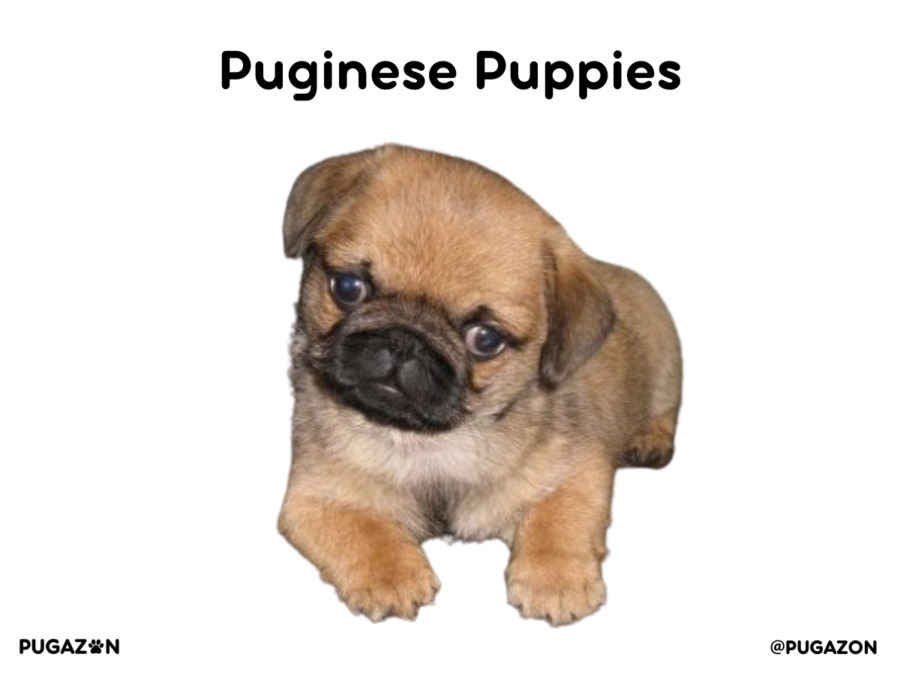
A Puginese puppy can inherit two distinct temperaments: the friendly, eager-to-please Pug personality or the independent, sometimes reserved Pekingese streak. Early socialization and structured training are crucial to nurturing a well-behaved, confident companion.
Why Early Socialization Matters
Between 8–16 weeks, puppies form lifelong impressions of the world. Without proper exposure, a Puginese puppy may become overly timid or bark excessively when facing new experiences later.
Goal | Activities |
Meet different people | Invite guests with varied appearances (hats, glasses, beards) |
Encounter new environments | Walk on different surfaces (grass, tiles, gravel), visit parks |
Get used to sounds | Play recordings of traffic, fireworks, vacuum cleaners |
Play with other dogs | Arrange supervised puppy playdates with vaccinated, gentle dogs |
Handling practice | Touch paws, ears, tail gently to prepare for grooming and vet exams |
Keep sessions short, positive, and reward-based to build confidence without overwhelming your puppy.
Training a Puginese Puppy
Both parent breeds are intelligent but can be stubborn, meaning training requires consistency, patience, and positive reinforcement.
- Start with name recall: Reward immediate responses with small treats.
- Potty cues: Use a consistent word or phrase when taking them outside.
- Basic commands: Teach “sit,” “stay,” and “come” using rewards and praise.
- Leash manners: Begin early to prevent pulling, using a comfortable harness.
- No punishment: Harsh corrections can lead to fear or defiance; gentle redirection works best.
🐾 Explore our Pug Training Products for clickers, chew toys, and harnesses that make training sessions enjoyable.
Grooming & Hygiene for Puginese Puppies
The Puginese coat varies significantly—some puppies inherit a short, smooth coat like a Pug, while others have the longer, flowing fur of a Pekingese. Regardless of coat type, regular grooming is vital for skin health, odor prevention, and bonding.
Coat Care
- Short coat: Brush 1–2 times/week to reduce shedding.
- Longer coat: Brush 3–4 times/week to prevent tangles and mats.
- Professional trims every 6–8 weeks keep long coats manageable.
Bathing
- Bathe every 4–6 weeks, or sooner if dirty.
- Use a gentle puppy shampoo, avoiding products with strong fragrances.
- Dry thoroughly, especially in wrinkles or skin folds, to prevent irritation.
Eye & Wrinkle Care
- Pugs and Pekingese have prominent eyes, making them prone to injuries and tear staining.
- If your puppy inherits facial folds, gently clean daily with a damp cloth or vet-approved wipes.
Nail & Dental Care
- Trim nails every 2–3 weeks to avoid discomfort and mobility issues.
- Begin tooth brushing early to prevent tartar buildup and bad breath.
Grooming Task | Frequency |
Brushing | 1–4x/week |
Bathing | Every 4–6 weeks |
Nail trimming | Every 2–3 weeks |
Ear cleaning | Weekly |
Tooth brushing | Daily |
Professional trim | Every 6–8 weeks (long coats) |
🧴 Find recommended brushes, shampoos, and clippers on our Pug Grooming Products page.
Real Costs of Owning a Puginese Puppy
Owning a Puginese puppy comes with one-time expenses for initial setup and ongoing monthly costs for care and health. Being financially prepared ensures you can provide the best possible home for your new companion.
One-Time Costs
- Breeder purchase or adoption fee: $800–$2,000+ depending on breeder reputation and location.
- Initial supplies: Crate, bedding, toys, food bowls, microchip ($250–$500).
- First vet visits: Vaccinations, exams, deworming ($200–$400).
Monthly/Annual Costs
- Food and treats: $30–$80/month.
- Preventative meds: $20–$50/month.
- Pet insurance: $25–$50/month for small breeds.
- Grooming: $30–$80 every 6–8 weeks (longer coats cost more).
- Training classes: $100–$300 per course (optional but recommended).
Expense Type | Estimated Year 1 Cost |
Purchase/adoption | $800–$2,000+ |
Supplies | $250–$500 |
Veterinary care | $600–$1,000 |
Food & treats | $400–$800 |
$300–$500 | |
Insurance | $300–$600 |
Training | $100–$300 |
💡 Tip: Browse safe listings on our Pugs for Sale page and use our Pug Breeders guide to avoid scams or low-quality breeders that may lead to high vet costs later.
Finding Ethical Puginese Puppy Sources
Designer breeds like the Puginese are popular, but unfortunately, that popularity attracts puppy mills and backyard breeders. Choosing a responsible source ensures a healthier, happier puppy.
Signs of a Reputable Breeder
- Health tests for both parents (hips, patellas, breathing, eyes).
- Puppies raised indoors in a family environment, not cages.
- Willingly shares veterinary records, pedigree, and microchip info.
- Allows visits or video calls to meet puppies and parents.
- Provides a written contract with a return policy.
Red Flags
- Multiple litters constantly available.
- “Rare color” claims with no proof.
- No health guarantees or breeder references.
- Reluctance to answer questions or provide documentation.
Adoption Options: Many rescue groups have Pug mixes, including Puginese puppies or adults, waiting for homes. This is a rewarding and ethical way to add a furry friend to your family.
🔗 Visit:
- Pug Breeders – Checklist of breeder questions.
- Pugs for Sale – Verified listings to avoid scams.
Is a Puginese Puppy Right for You?
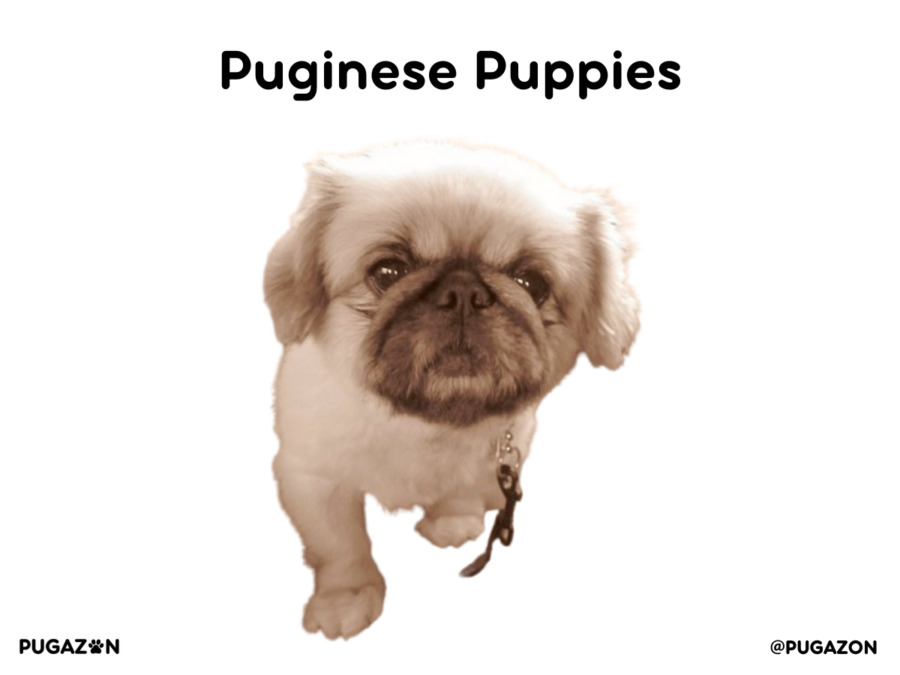
Puginese puppies make wonderful companions, but they’re not the ideal fit for every household. By weighing their strengths and potential challenges, you can make an informed decision before bringing one home.
Why You’ll Love a Puginese Puppy
- Affectionate and loyal: A devoted lapdog that loves close companionship.
- Small and portable: Perfect for apartments or travel-friendly lifestyles.
- Playful yet calm: Enjoys playtime but doesn’t demand high-energy exercise.
- Charming personality: A delightful blend of Pug’s clownish humor and Pekingese’s regal poise.
Potential Challenges
- Stubborn streak: May resist commands if training isn’t consistent and positive.
- Grooming needs: Some require regular brushing and professional trims.
- Health risks: Breathing, dental, and knee issues are possible.
- Not ideal for long workdays: Thrives on human interaction and may develop separation anxiety.
If you’re ready for patient training, daily affection, and routine vet and grooming care, a Puginese puppy could be the perfect, devoted companion for you.
FAQs – Puginese Puppies
On average, Puginese puppies cost between $800 and $2,000 when purchased from reputable breeders. Prices vary based on breeder reputation, location, lineage, and coat type. Adoption fees are usually lower, often ranging from $100 to $500. Be cautious of extremely cheap listings or sellers offering “rare color” Puginese puppies with no health documentation. Use our Pugs for Sale page to browse verified listings and refer to our Pug Breeders guide for choosing ethical breeders.
Puginese puppies are considered small dogs, typically reaching 8–15 lbs (3.5–7 kg) in adulthood and standing around 8–12 inches tall. Their exact size depends on which parent breed they take after. A Pug-dominant pup may be stockier, while a Pekingese-dominant pup may be lighter and slightly taller. Most Puginese puppies reach their full size by 10–12 months of age.
Yes, Puginese puppies are affectionate and playful, making them great for families with older children. Due to their small size, supervision is recommended during playtime with younger kids to prevent accidental injury. Early socialization helps them adapt to noisy or busy households and builds confidence around children and other pets. See our Puginese Breed page for more on temperament.
Shedding levels depend on coat type. If your puppy inherits the short, smooth coat of a Pug, expect moderate shedding. A longer, silky coat like a Pekingese usually sheds less but requires more frequent brushing. Weekly grooming, a balanced diet, and the right tools help keep shedding manageable. Explore our Pug Grooming Products page for brushes suited to your puppy’s coat type.
No, Puginese puppies are not hypoallergenic. While they may shed less than some breeds, allergens are mainly caused by dander and saliva, not fur. Regular grooming, frequent cleaning, and using air purifiers can help allergy-sensitive owners. It’s best to spend time around Puginese dogs before bringing one home if allergies are a concern.
Puginese puppies are intelligent but sometimes stubborn, inheriting the independent streak of their Pekingese parent. Training requires patience, consistency, and positive reinforcement. Use treats, praise, and short, fun sessions to keep them engaged. Avoid harsh corrections, which can make them defensive. For tools and tips, check our Pug Training Products page.
Potential health concerns include brachycephalic breathing problems, eye injuries, dental crowding, and luxating patella. Choosing a breeder who performs health checks on both parents reduces these risks. Regular vet visits and maintaining a healthy weight are essential. See our Pug Health Care page for preventative tips.
Feed small, frequent meals to avoid low blood sugar or overeating. Typically:
- 8–12 weeks: 4 meals/day
- 3–6 months: 3 meals/day
- 6–12 months: 2 meals/day
Use high-quality small-breed puppy food with lean protein and healthy fats. Measured feeding helps prevent obesity, a common issue in Pug mixes
Puginese puppies thrive on companionship and can develop separation anxiety if left alone for long periods. During the first months, avoid leaving them for more than 2–3 hours. As they grow older, gradually increase alone time. Dog walkers, sitters, or doggy daycare can help if you have a busy schedule.
Start with Pug Breeders to learn what to ask and which certifications to look for. Check verified listings on Pugs for Sale. Rescue organizations often have Pug mixes, including Puginese puppies, in need of homes. Avoid online ads with vague information or “rare” claims—ethical breeders prioritize health and transparency over flashy marketing.


