Last updated on February 19th, 2026
- Introduction to the Puginese Dog
- History & Origins of the Puginese Dog
- Recognition & Breed Status
- Physical Traits of the Puginese Mix
- Temperament & Personality of the Puginese Breed
- Health, Risks & Longevity of Puginese
- Care, Diet & Grooming for Pug and Pekingese Mix
- Ethical Buying & Adoption Considerations
- Fun Facts & Trivia About Puginese
- Adopting or Buying a Puginese Dog
- FAQs About Puginese Dogs (Pug Pekingese Mix)
- What is a Puginese dog?
- How big does a Puginese get?
- Do Pugineses shed a lot?
- Are Pugineses good with children?
- Do Puginese dogs have breathing problems?
- How long do Pugineses live?
- Are Puginese dogs easy to train?
- What health issues are common in Puginese dogs?
- How much exercise do Pugineses need?
- Should I buy or adopt a Puginese puppy?
Introduction to the Puginese Dog

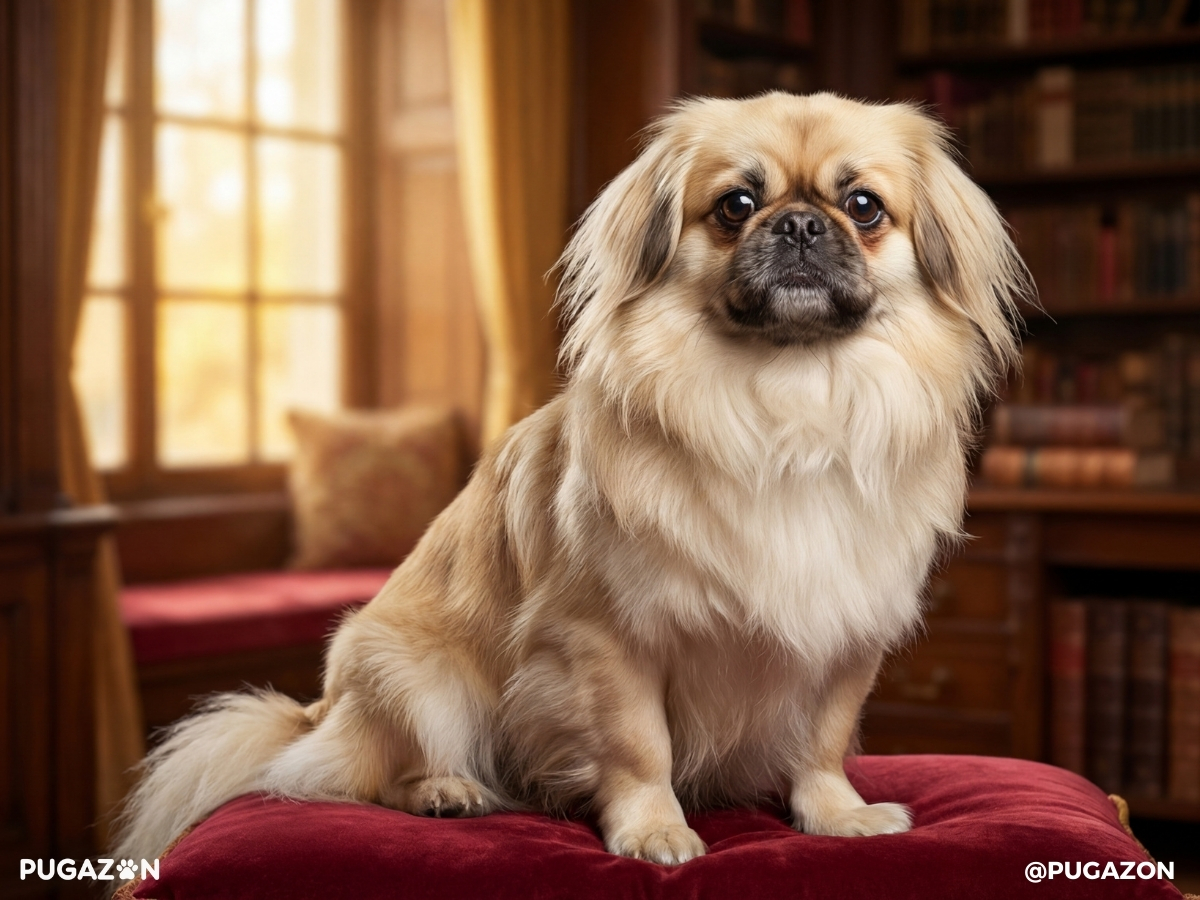
The Puginese dog, a charming cross between the pug and the Pekingese, is a devoted companion breed known for its affectionate nature, regal demeanor, and adaptable size. Combining two ancient toy breeds with distinct personalities, this hybrid delivers a unique mix of playful energy, loyalty, and family-friendly companionship, making it an appealing choice for small households and city living.
Physically, Pugineses vary widely. Some inherit the pug’s round face, curled tail, and clownish expressions, while others lean towards the Pekingese’s long, feathered coat, proud stance, and slightly more independent temperament. Regardless of appearance, most Pugineses are small, weighing between 8–15 pounds, and thrive on attention, lap time, and gentle walks rather than intense physical activity.
This guide covers everything you need to know about the Puginese dog, including its origins, breed recognition status, physical characteristics, temperament, health considerations, grooming needs, and responsible ways to buy or adopt a pug pekingese mix puppy. If you’re thinking of bringing one of these affectionate hybrids into your family, visit Pugs for Sale for trusted breeder and adoption listings.
History & Origins of the Puginese Dog
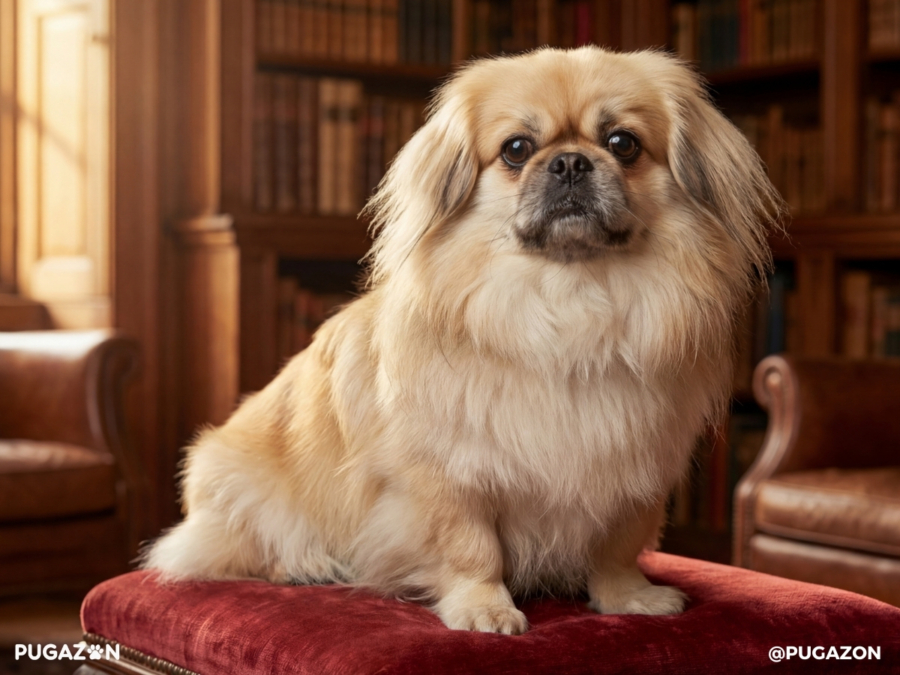
The Puginese dog is a designer hybrid combining two beloved companion breeds with royal heritage:
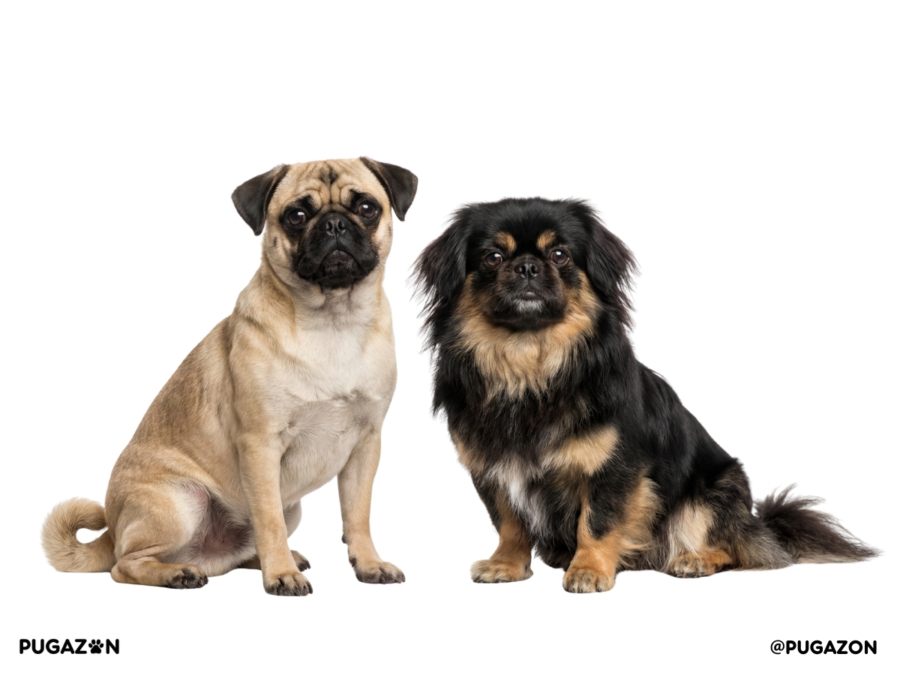
- Pug: Originating in China over 2,000 years ago, pugs were bred to be loyal lap dogs for emperors and nobility. They are known for their affectionate personalities and playful charm.
- Pekingese: Also of Chinese origin, Pekingese dogs were highly prized by Chinese royalty, renowned for their lion-like manes and dignified presence.
Breeders first crossed these two toy breeds to create a small, affectionate dog with the pug’s friendliness and the Pekingese’s noble appearance. This hybrid gained popularity in the late 20th century as interest in intentional crossbreeds grew, offering families a devoted companion with rich cultural roots and endearing looks.
Recognition & Breed Status
The Puginese dog is classified as a hybrid breed and is not officially recognized by major kennel clubs such as the AKC or The Kennel Club. As a result:
- No established breed standard exists, meaning size, coat type, and temperament can vary widely.
- Pugineses cannot compete in traditional conformation shows but may participate in mixed-breed agility, obedience, and companion events.
- Registration is possible with designer dog registries or mixed-breed databases if both parents are registered purebreds.
This lack of standardization makes choosing a reputable breeder or adopting from trusted sources essential. Look for breeders who health test both pug and Pekingese parents, socialize puppies from an early age, and focus on temperament and welfare, not just appearance
Physical Traits of the Puginese Mix
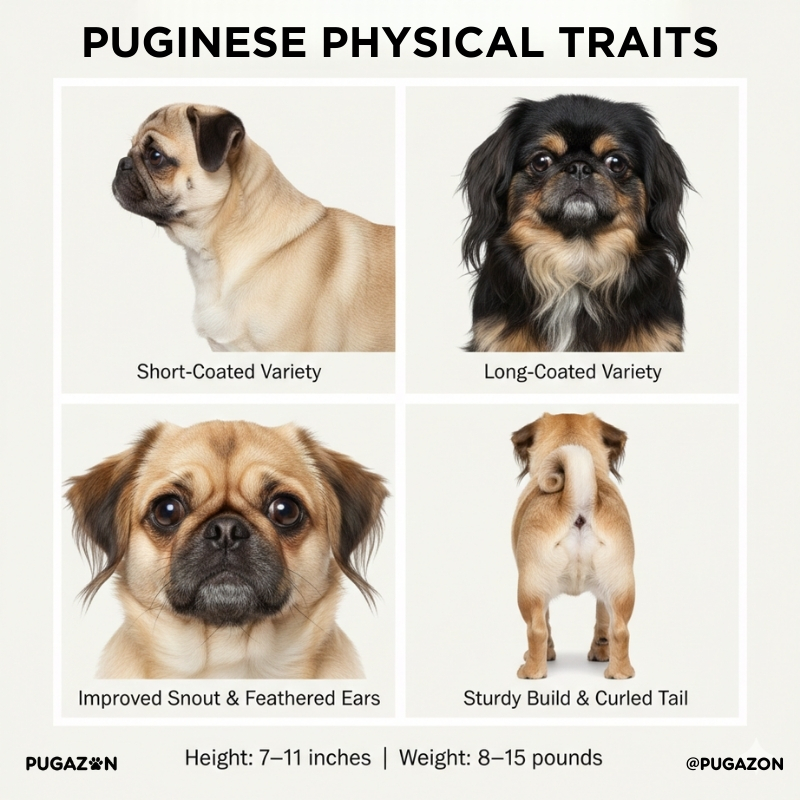
The Puginese dog is a small, charming mix that inherits a blend of physical features from both parent breeds:
Size and Build
- Height: 7–11 inches (18–28 cm)
- Weight: 8–15 pounds (3.5–7 kg)
- Compact, sturdy body suited for apartment living and easy handling.
Coat and Colors
- Coat type varies: short, smooth pug-like coats or long, flowing Pekingese-style coats with feathering.
- Common colors include fawn, cream, black, tan, and mixed patterns.
- Shedding depends on coat length; longer coats may shed seasonally and need more frequent grooming.
Facial Features
- Muzzle: Often short, but some Pugineses inherit a slightly longer muzzle, reducing breathing issues common in brachycephalic breeds.
- Eyes: Large, expressive, and soulful, typically dark brown.
- Ears: Floppy and feathered, leaning toward the Pekingese look.
- Tail: Curled or gently arched over the back.
Grooming Snapshot
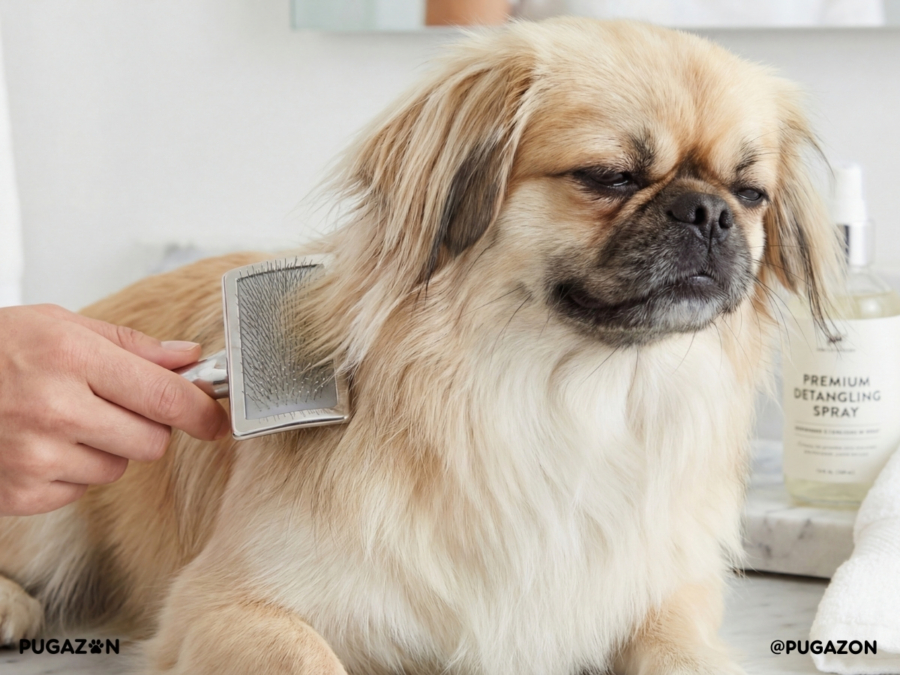
- Short coats: Weekly brushing, occasional baths.
- Long coats: Brushed 3–4 times a week to prevent matting.
Regular dental care, ear cleaning, and nail trims are essential to maintain health and comfort.
Temperament & Personality of the Puginese Breed
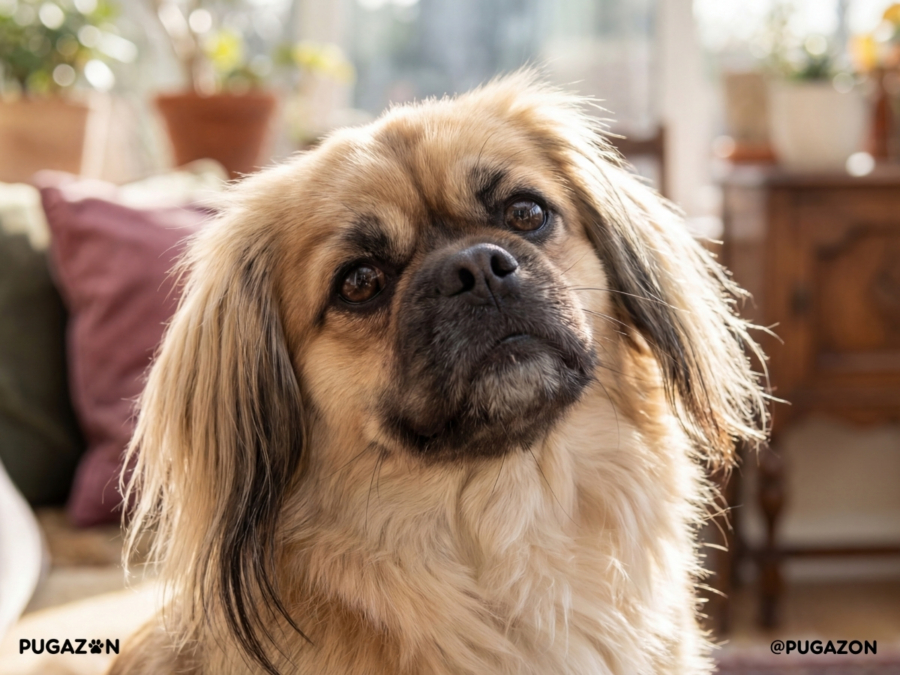
The Puginese dog inherits personality traits from both parent breeds, making it an affectionate yet sometimes independent companion.
Common Traits
- Loyal and Loving: Like pugs, Pugineses form strong bonds with their owners and enjoy constant companionship.
- Gentle and Calm: Many Pugineses adopt the Pekingese’s calm demeanor, thriving in quieter households.
- Playful but Reserved: They enjoy light playtime and indoor games but are not overly energetic or demanding.
- Alert: Some Puginese dogs have a watchdog instinct, barking to announce visitors or unusual noises.
Behavior With Family
- Generally good with children, especially when handled gently due to their small size.
- Often tolerant of other pets if introduced early, though some may prefer being the center of attention.
- Sensitive to harsh training methods; positive reinforcement works best.
Potential behavioral challenges include mild stubbornness and occasional jealousy if they feel ignored. Consistent training and early socialization help develop a confident, well-behaved pug pekingese mix
Health, Risks & Longevity of Puginese

Pugineses are generally healthy but may inherit health issues from either parent breed. Understanding these risks helps ensure proper preventive care.
Common Health Concerns
- Brachycephalic Syndrome: Short muzzles can lead to breathing difficulties, snoring, and heat intolerance.
- Eye Problems: Both parent breeds are prone to dry eye, corneal ulcers, and other eye sensitivities.
- Dental Issues: Small breeds often have crowded teeth, requiring regular cleaning.
- Joint Problems: Patellar luxation or hip dysplasia may appear in some Pugineses.
- Skin and Coat Conditions: Longer-haired dogs may develop mats, skin irritations, or infections if not groomed properly.
Lifespan
With good care, a Puginese dog typically lives 12–15 years. Regular vet checkups, dental hygiene, weight control, and protection from extreme heat improve quality of life.

Last update on 2025-02-12 / * Affiliate links / Image source: Amazon Product Advertising API
Care, Diet & Grooming for Pug and Pekingese Mix
Daily Care
- Exercise: Short walks and light indoor play are usually enough. Avoid intense exercise in hot weather to prevent breathing strain.
- Mental Stimulation: Puzzle toys and interactive games keep them engaged.
- Comfortable Resting Space: Soft bedding in a cool, draft-free area helps protect joints and regulate temperature.
Diet
- High-Quality Small Breed Food: Balanced nutrition suited for their size and moderate activity level.
- Portion Control: Avoid overfeeding to prevent obesity, which can worsen joint and breathing problems.
- Treats: Keep under 10% of daily calories; use for positive reinforcement during training.
Grooming
Ethical Buying & Adoption Considerations
Market Concerns
The rising popularity of puginese puppies has led to irresponsible breeding practices. Some sellers prioritize profit over health, leading to poorly socialized or genetically compromised dogs.
Choosing Responsibly
- Meet Both Parents: Assess their temperament and health condition.
- Request Health Records: Ensure testing for common pug and Pekingese health issues.
- Avoid “Rare Color” Hype: Ethical breeders focus on welfare, not marketing gimmicks.
- Proper Socialization: Puppies should be raised in a safe, loving environment, not mass-breeding facilities.
Adoption Options
Many pug mixes, including Pugineses, are available in rescue organizations due to mismatched homes or overbreeding. Adoption offers:
- Lower cost than buying from breeders.
- A chance to provide a loving home to a dog in need.
- Better insight into temperament from foster reports.
🔗 For trusted breeders and verified adoption listings for Puginese puppies, visit our Pugs for Sale page for ethical resources.
Fun Facts & Trivia About Puginese

- Royal Roots: Both pugs and Pekingese were once exclusive companions to Chinese emperors and nobility, making the Puginese a truly regal hybrid.
- Quiet Companions: Many Pugineses are calm and quiet, making them ideal for apartment living.
- Velcro Dogs: Like pugs, Pugineses love sticking close to their humans and following them from room to room.
- Coat Lottery: Each litter may have puppies with drastically different coat lengths and textures, adding to their unique charm.
- Lap Kings and Queens: The Puginese is happiest curled up beside you, proving that sometimes the best exercise is cuddling.
Adopting or Buying a Puginese Dog
If the Puginese dog sounds like the perfect addition to your family, it’s important to make an informed choice. Many online ads for puginese puppies for sale are from unverified or unethical breeders. Always ensure the breeder prioritizes health and socialization, or consider adoption to give a loving home to a dog in need.
🔗 For verified breeders, adoption opportunities, and expert buying advice, visit our Pugs for Sale page to find reputable listings and start your journey responsibly.
FAQs About Puginese Dogs (Pug Pekingese Mix)
A Puginese dog is a hybrid between a pug and a Pekingese, combining their affectionate, loyal, and regal traits into a small companion breed.
Most Pugineses weigh 8–15 pounds and stand 7–11 inches tall, making them perfect for small homes or apartments
Shedding depends on coat type: short coats shed moderately year-round, while long coats shed seasonally and need frequent grooming.
Yes, they are usually friendly with respectful children but should be supervised due to their small size and delicate build.
Short-muzzled Pugineses may experience brachycephalic issues, including snoring and heat intolerance. Dogs with longer muzzles typically breathe more easily.
Their lifespan is generally 12–15 years with proper diet, exercise, and regular veterinary care.
They are intelligent and eager to please but may show occasional stubbornness. Positive reinforcement works best
Potential concerns include eye problems, dental issues, joint problems, and respiratory difficulties.
A short daily walk and light indoor play are usually enough to keep them happy and healthy.
Both are options, but adoption often saves a life. Always verify breeders, health screenings, and socialization standards before purchasing.
For live adoption and breeder listings, visit Pugs for Sale