Last updated on February 12th, 2026
- Introduction
- History & Origins of the Pugalier Dog
- Recognition & Breed Status
- Physical Traits
- Temperament & Personality
- Health, Risks & Longevity
- Care, Diet & Grooming
- Ethical Buying & Adoption Considerations
- Fun Facts & Trivia
- Thinking About a Pugalier Dog (Pug Cavalier Mix)?
- FAQs — Pugalier Dog (Pug Cavalier Mix)
Introduction

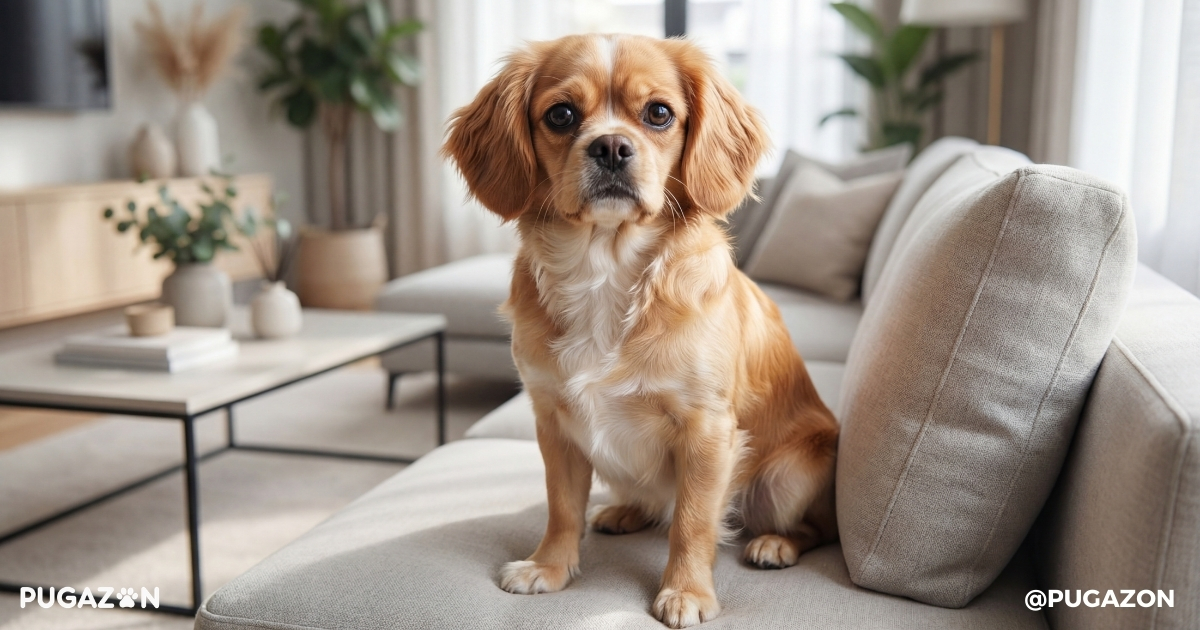
The Pugalier dog, a highly sought-after crossbreed between a pug and a Cavalier King Charles Spaniel, has captured the hearts of dog lovers worldwide. This designer hybrid combines the pug’s affectionate, comical personality with the Cavalier’s gentle, graceful nature, creating a small companion dog that fits perfectly into many lifestyles.
Weighing 10–20 pounds on average, the Pugalier is a sturdy yet elegant dog, known for its big soulful eyes, silky coat, and unwavering devotion to its family. They’re friendly, adaptable, and intelligent, making them ideal for singles, couples, seniors, or families with children.
Despite their popularity, Pugaliers are not an officially recognized breed and lack a standardized appearance or temperament. Their traits can vary significantly, even within the same litter, depending on which parent they take after more. While this makes each Pugalier unique, it also means researching breeders or rescues is essential to ensure your new puppy or adult dog is healthy and well-socialized.
In this complete guide you’ll learn about the Pugalier dog. Including their ’s origins, physical traits, personality, health considerations, care needs and where to find ethical adoption or buying options. For additional resources, visit Pugs for Sale, where we provide trusted advice and links to reputable breeders and rescues specializing in pugs and pug mixes.
History & Origins of the Pugalier Dog
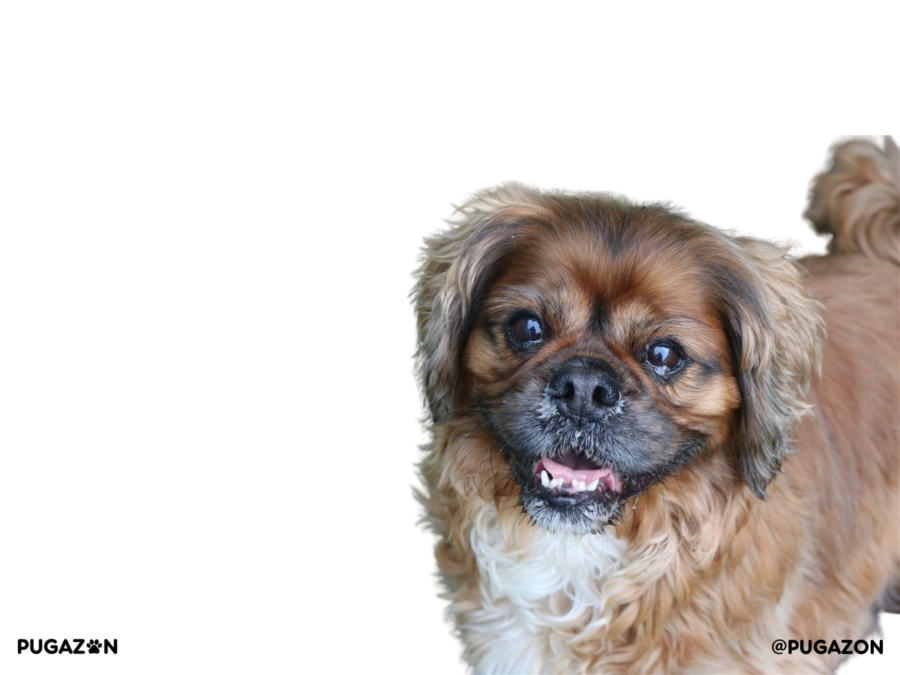
The Pugalier dog emerged in the late 20th century as part of the growing “designer dog” trend. Breeders began crossing popular purebred dogs to create hybrids with the best qualities of both parents, aiming to improve health and offer unique personality blends.
Parent Breeds
- Pug: With a history dating back over 2,000 years, pugs were bred as cherished lapdogs for Chinese royalty before spreading to Europe in the 16th century. They’re renowned for their affectionate personalities, distinctive wrinkled faces, and clownish charm.
- Cavalier King Charles Spaniel: Bred for European nobility, Cavaliers are known for their elegant appearance, flowing coats, and calm, loving demeanor. They excel as loyal, gentle companions.
Breeders hoped this hybrid would retain the pug’s loyalty and humor, while the Cavalier’s longer muzzle and graceful structure could reduce respiratory issues and add silky coats and mild-mannered temperaments to the mix.
Modern Popularity
Pugaliers are especially popular in:
- Urban settings, due to their small size and adaptability.
- Families with young children, where their gentle temperament is a major advantage.
- First-time dog owners, thanks to their manageable care needs and friendly nature.
Recognition & Breed Status
The Pugalier dog is classified as a hybrid breed, meaning:
- It is not recognized by major kennel clubs such as the AKC or KC.
- Registration is possible with designer breed registries like the IDCR or ACHC if both parents are purebred with documented pedigrees.
- There is no official breed standard, meaning appearances, coat types, and even personalities vary widely.
Because of this, choosing a responsible breeder or verified rescue is essential. Ethical breeders focus on health, socialization, and temperament rather than appearance or marketing gimmicks like “rare color” claims.
Physical Traits
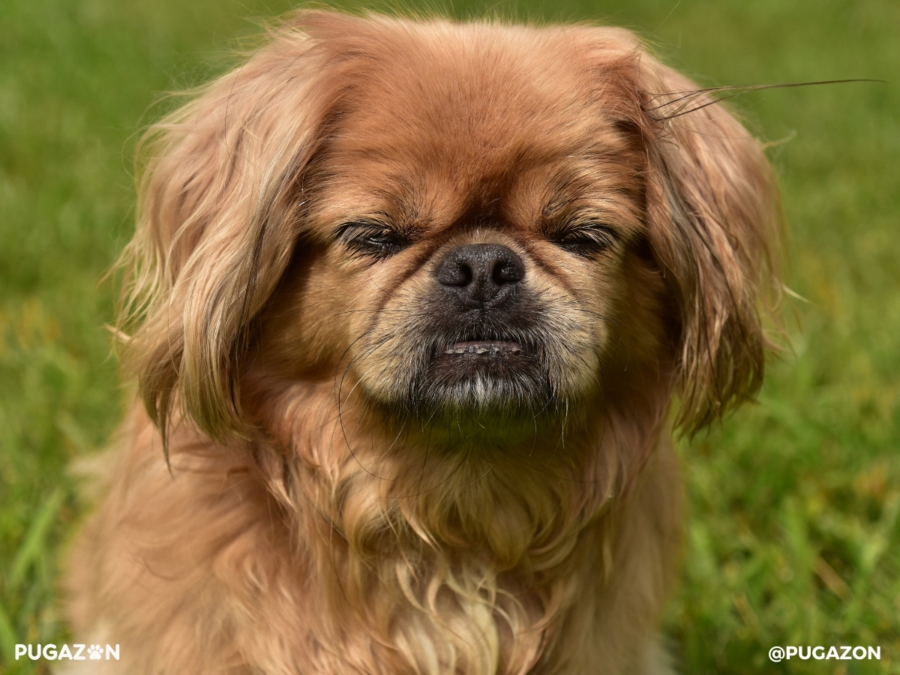
Pugaliers inherit a blend of features from both parent breeds, leading to significant variation. Below is an overview of typical traits.
Size and Build
- Height: 10–13 inches
- Weight: 10–20 pounds
- Compact, sturdy, yet refined. Ideal for apartments or homes with limited space but active enough for play.
Coat
- Texture: Soft, silky, short to medium length.
- Colors: Fawn, black, white, tan, or tricolor patterns common to Cavaliers.
- Shedding: Low to moderate. Regular brushing keeps loose hair under control.
Facial Features
- Muzzle: Often longer than a pug’s, improving airflow while maintaining a round face.
- Eyes: Large, expressive, usually dark brown.
- Ears: Floppy and feathered, typical of Cavalier lineage.
- Tail: Can be curled or feathered, depending on genetic influence.
Grooming Requirements
- Brushing: 2–3 times weekly.
- Bathing: Every 4–6 weeks or when needed.
- Ear care: Weekly cleaning to prevent infections.
- Dental: Brushing 2–3 times weekly.
- Nail trimming: Every 3–4 weeks
Temperament & Personality
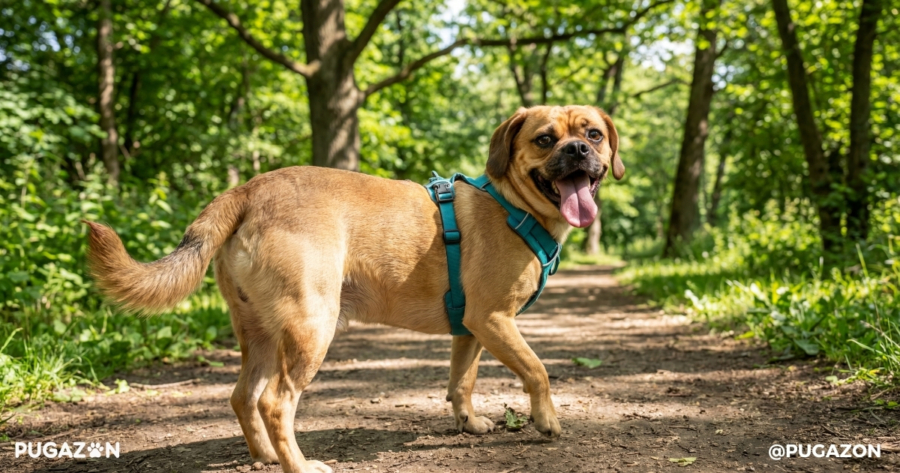
The Pugalier dog is celebrated for its sweet, affectionate personality, making it a top choice for families, singles, and seniors alike.
Core Personality Traits
- Affectionate and loving, thrives on companionship.
- Playful but not hyperactive, enjoys short walks and indoor play.
- Generally gentle with children and tolerant of other pets.
- Intelligent, eager to please, and responsive to training.
- Sociable and friendly toward strangers when socialized early.
Training Tips
- Use positive reinforcement methods with treats and praise.
- Keep sessions short and engaging to hold attention.
- Begin crate training and basic commands early.
- Gradually increase alone time to avoid separation anxiety.
Pugaliers are known as “velcro dogs”, often following their owners everywhere. They may develop clinginess if left alone too frequently, so consistent training is vital
Health, Risks & Longevity
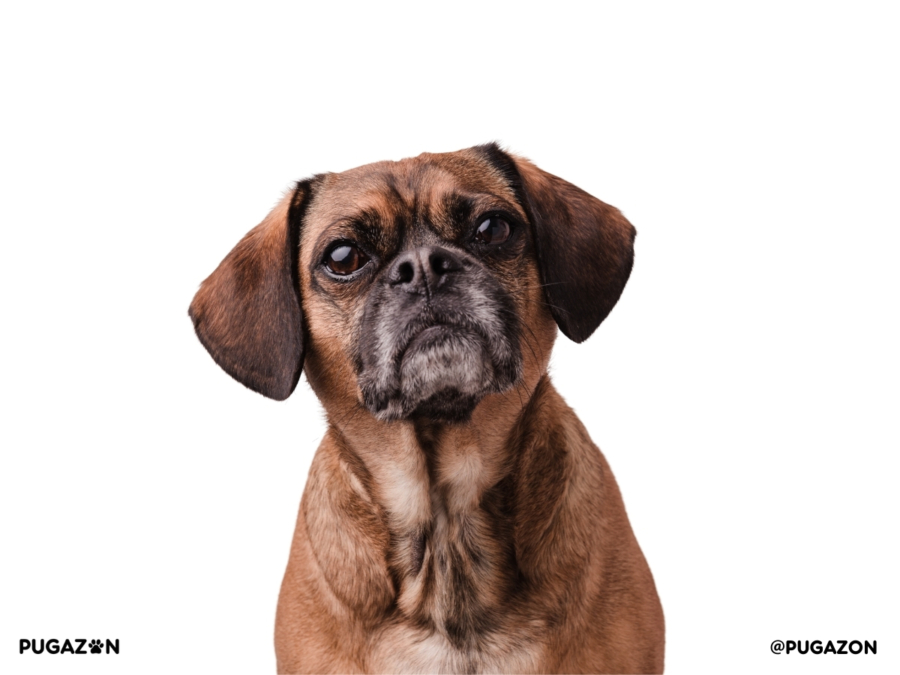
Pugaliers can benefit from hybrid vigor, but inherited health issues from both parents remain possible.
Potential Health Problems
- Brachycephalic airway syndrome: If the muzzle remains too short, mild breathing issues may persist.
- Mitral valve disease: A serious heart condition common in Cavaliers.
- Eye conditions: Dry eye, corneal ulcers, or other pug-related issues.
- Ear infections: Floppy ears prone to moisture retention.
- Dental overcrowding: Small jaws may cause teeth misalignment.
- Obesity: High food motivation requires portion control and regular exercise.
Prevention and Care
- Choose reputable breeders or rescues with health testing.
- Balanced diet with measured portions to prevent weight gain.
- Routine vet visits focusing on heart, dental, and eye health.
- Regular exercise of 30–45 minutes daily for weight management and mental stimulation.
Average Lifespan
With proper care, the Pugalier dog can live 12–15 years, offering long-lasting companionship to a loving home

Last update on 2025-02-12 / * Affiliate links / Image source: Amazon Product Advertising API
Care, Diet & Grooming

The Pugalier dog is relatively low maintenance compared to other mixed breeds, but consistent care is key to a happy, healthy companion. Understanding their needs in exercise, diet, grooming, and environment ensures they thrive for many years.
Exercise Needs
- Daily Walks: Two short walks (15–20 minutes each) or one moderate walk per day keeps them physically fit and mentally stimulated.
- Playtime: Interactive games like fetch, puzzle toys, or gentle tug-of-war are ideal for burning energy indoors.
- Avoid Overexertion: While they enjoy activity, avoid prolonged strenuous exercise, particularly in hot weather, as some Pugaliers inherit breathing sensitivities.
- Social Activities: Dog parks, puppy playdates, and walks around neighborhoods help develop strong social skills.
A Pugalier that receives enough physical and mental stimulation is typically well-behaved and avoids destructive behaviors like chewing or barking excessively.
Diet and Nutrition
Feeding your Pugalier a balanced, high-quality diet is crucial for long-term health and maintaining an ideal weight.
- Type of Food: Premium small-breed dry kibble or vet-approved fresh food diet rich in lean protein, healthy fats, and essential nutrients.
- Meal Schedule: Two measured meals per day to prevent overeating and bloat.
- Treats: Use sparingly for training rewards, keeping total treats under 10% of daily caloric intake.
- Avoid Human Foods: Many table foods, particularly fatty or seasoned items, can trigger stomach upsets or be toxic to dogs.
- Supplements: Consult your vet about omega-3s for coat health or joint supplements to support long-term mobility.
Grooming Requirements
Though grooming needs vary slightly based on which parent breed dominates their coat type, most Pugaliers benefit from this routine:
- Brushing: 2–3 times per week to reduce shedding and prevent tangles.
- Bathing: Every 4–6 weeks with gentle dog shampoo; avoid overbathing to protect natural oils.
- Ear Cleaning: Weekly checks to remove wax and moisture, preventing infections common in floppy-eared breeds.
- Dental Hygiene: Brush teeth 2–3 times weekly to avoid tartar buildup and dental disease.
- Nail Trimming: Every 3–4 weeks to maintain comfort and proper gait.
- Eye Care: Some Pugaliers inherit large, protruding eyes that need daily checks and gentle cleaning to prevent irritation.
A well-maintained coat, clean ears, and strong dental health contribute to a comfortable, happy Pugalier with fewer long-term health issues
Ethical Buying & Adoption Considerations
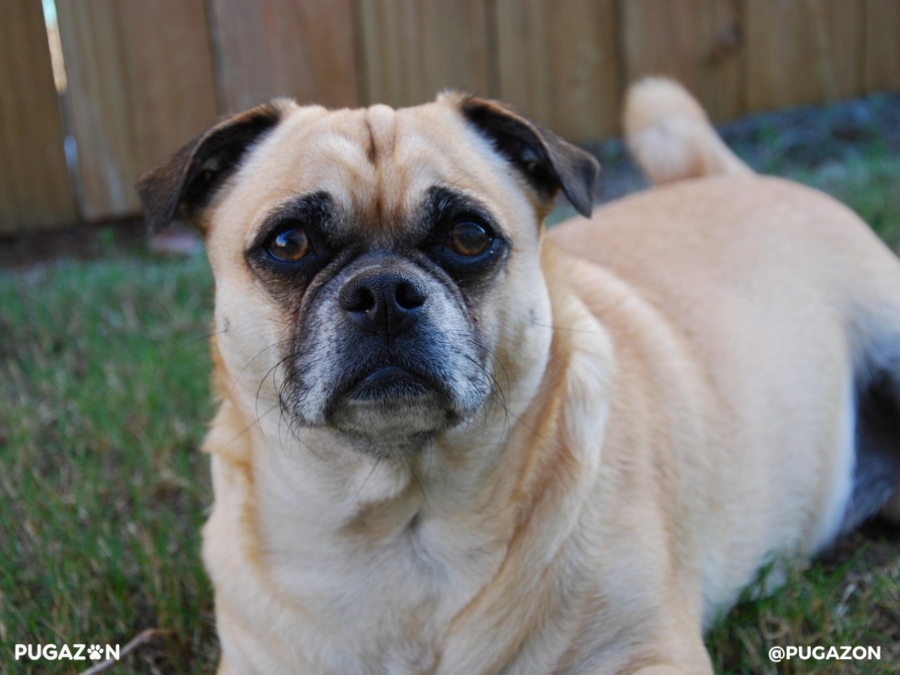
With rising demand for designer dogs, puppy mills and unethical breeders have unfortunately capitalized on the Pugalier’s popularity. Responsible sourcing is crucial to avoid supporting harmful practices and to ensure you bring home a healthy, well-socialized puppy or adult rescue.
Adoption and Rescue
- Many Pugaliers are surrendered due to owners underestimating their needs or lifestyle mismatches.
- Adoption is not only cost-effective but also gives a second chance to a dog in need.
- Check breed-specific rescues, shelters, and reputable adoption sites listed on Pugs for Sale for vetted options.
Choosing a Responsible Breeder
When buying a Pugalier puppy:
- Health Testing: Breeders should provide proof of heart, eye, and respiratory screenings for both parents.
- Transparency: They should allow visits to meet the puppies, parents, and see living conditions.
- Socialization: Puppies should be raised in-home, exposed to normal sights and sounds.
- Contracts and Guarantees: Reputable breeders offer return policies and health guarantees.
Red Flags
- Puppies sold online with no in-person meeting allowed.
- Breeders claiming “rare colors” or “teacup Pugaliers” as selling points.
- Multiple litters available year-round, indicating high-volume breeding.
- No verifiable health records or refusal to answer detailed questions.
Ethical choices protect not only your future dog’s health but also the welfare of countless other animals affected by irresponsible breeding
Fun Facts & Trivia
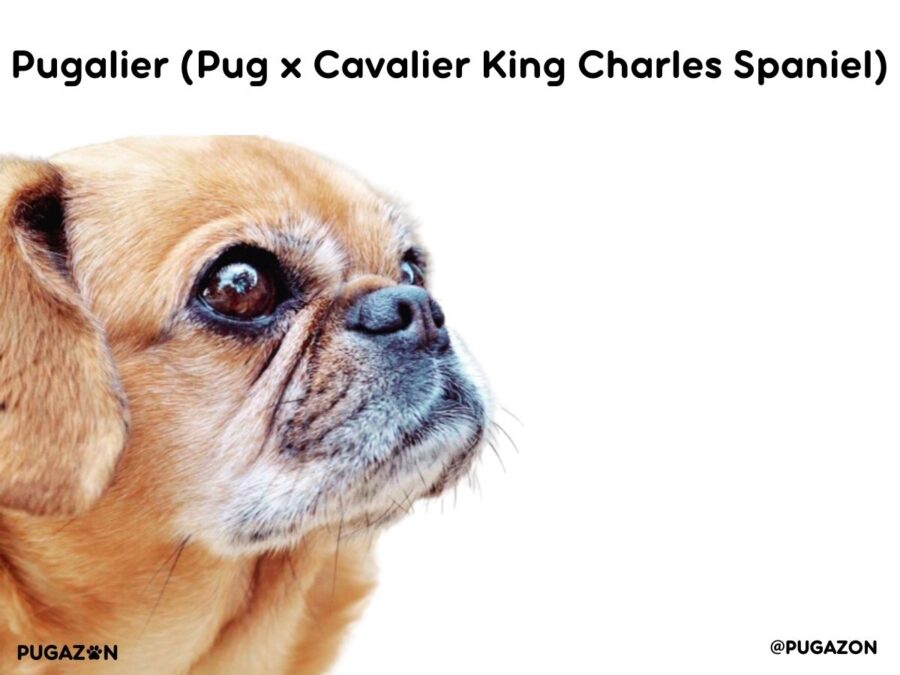
- Velcro Companions: Pugaliers love human contact so much they’re nicknamed “velcro dogs” for their tendency to stick close to owners.
- Quiet Charm: Unlike some small breeds, Pugaliers bark less often, making them apartment-friendly.
- Snoring Specialists: Many inherit the pug’s soft snore, a trait owners find endearing during nap time.
- Great Therapy Dogs: Their gentle, affectionate nature makes them excellent candidates for emotional support and therapy work.
- Adaptable Eaters: Known for a hearty appetite, they’ll happily adapt to a variety of high-quality diets—but portion control is crucial!
Thinking About a Pugalier Dog (Pug Cavalier Mix)?
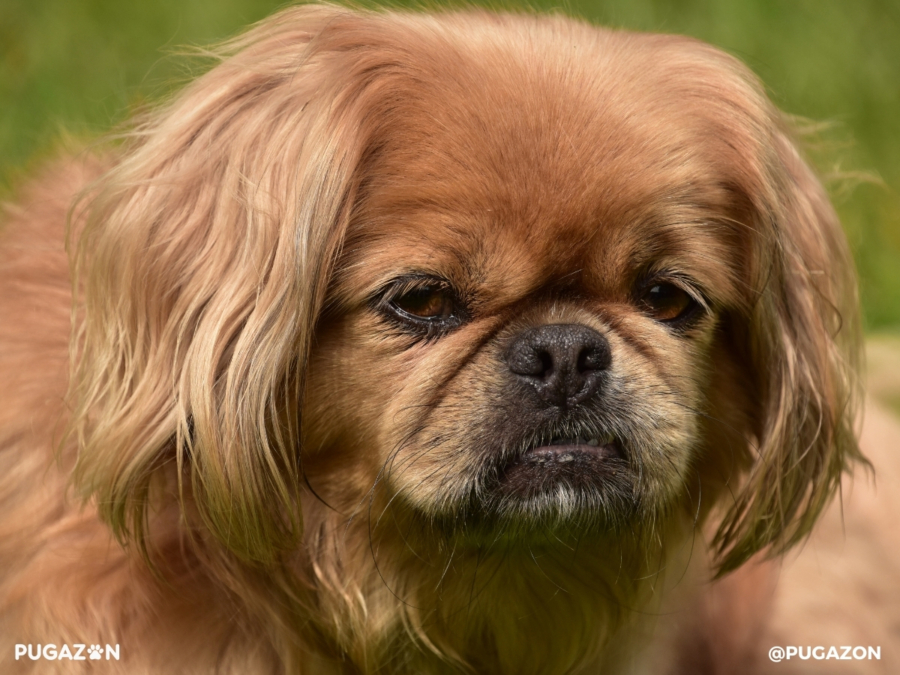
If you’re considering adding a Pugalier dog (pug Cavalier mix) to your family, take the time to find reliable, ethical sources. Avoid online ads promising “rare‑colored Pugalier puppies” or immediate availability, as these often come from irresponsible breeders who prioritize profit over health.
For trusted information, explore our key resources:
- Pugs for Sale – expert guidance on buying and adopting pug mixes responsibly.
- Pug Breeders – advice on selecting reputable, welfare-focused breeders.
- Pug Rescue – find organizations that rehome Daug dogs and other pug mixes.
- Pug Charities – discover causes dedicated to supporting pug health and welfare.
- Pug Adoptions – learn safe, ethical ways to adopt a pug mix.
Adoption is a wonderful option, giving a loving home to a dog in need while avoiding unethical breeding practices. If you buy, choose a breeder who provides health certificates, socializes their puppies properly, and cares deeply about the welfare of every dog they raise.
FAQs — Pugalier Dog (Pug Cavalier Mix)
A Pugalier dog is a cross between a purebred pug and a purebred Cavalier King Charles Spaniel. The goal of this hybrid is to blend the pug’s affectionate, clownish personality with the Cavalier’s gentle, people‑pleasing nature and slightly longer muzzle. As a designer mix, there isn’t a single, fixed “look”—some pups lean more pug with rounder heads and curled tails; others inherit the Cavalier’s feathered ears and silky coat. Most Pugaliers are small (10–20 lb), adaptable to apartment or suburban living, and thrive on companionship. Because it’s a hybrid, there’s no universal kennel‑club standard, so careful breeder vetting or adoption via reputable rescues is essential.
Adult Pugaliers typically stand 10–13 inches at the shoulder and weigh 10–20 pounds, with females often at the lower end of the range. Growth is fastest during the first 8–10 months, with most reaching near‑adult height by 10–12 months. Weight and chest fill out through months 12–18, depending on activity, diet, and genetics. You can guide healthy growth by maintaining portion control, avoiding rapid weight gain, and using regular, age‑appropriate exercise. Your vet can confirm target adult weight based on bone structure and body‑condition scoring, helping you keep your Pugalier lean (which benefits heart and joint health).
Most Pugaliers are low‑to‑moderate shedders. Expect year‑round, light hair fall with seasonal upticks. Brush 2–3 times weekly using a soft‑bristle or pin brush to remove loose hair and distribute skin oils. If your dog inherits longer Cavalier‑style feathering, add a wide‑tooth comb to prevent tangles behind ears, underarms, and feathered legs. Bathe every 4–6 weeks with a mild dog shampoo, clean ears weekly to prevent infections, and trim nails every 3–4 weeks. Brush teeth 2–3 times weekly to reduce tartar. Daily eye checks are wise, especially if your Pugalier has slightly more prominent eyes from the pug side.
No—Pugaliers are not considered hypoallergenic. While some inherit a slightly silkier, tighter coat that sheds less, most still release dander and saliva proteins that can trigger allergies. If allergies are a concern, meet adult dogs of similar coat types first and spend extended time in the home environment to gauge reactions. Frequent vacuuming with HEPA filtration, air purifiers, and a strict brushing routine can help reduce allergen load. Ultimately, allergy responses are individual; there’s no guarantee that a specific Pugalier will be well‑tolerated, even if coat shedding seems modest
Well‑socialized Pugaliers are typically gentle, affectionate, and patient. They’re excellent with polite children and usually friendly toward other dogs and household cats. Early exposure matters: introduce calm handling, short positive play sessions, and supervised interactions during puppyhood. Teach children to respect boundaries (no ear pulling or rough hugs). Because Pugaliers love attention, they can shadow their families—set routines and brief independence training to prevent clinginess. If your home includes small pets that trigger prey drive in some breeds, supervise introductions and build neutral, calm associations from day one.
Plan on 30–45 minutes daily split into two short walks plus indoor play or training games. Many Pugaliers enjoy sniff‑walks, light fetch, puzzle feeders, and basic obedience sessions for mental stimulation. Avoid intense exercise during hot, humid weather, particularly if your Pugalier has a shorter muzzle. The goal is steady, moderate movement that burns energy without stressing the airway or joints. Puppies should follow age‑appropriate activity limits to protect developing growth plates; your vet can tailor a schedule based on age, weight, and conformation.
Yes—most are eager to please and food‑motivated, which makes reward‑based training highly effective. Keep sessions short (5–10 minutes), upbeat, and frequent. Start with name recognition, sit, down, come, and leash skills, then add polite greetings and settle on mat. Introduce crate training early to support housetraining and prevent separation stress. If your dog inherits a bit of pug stubbornness, reduce distractions, raise reward value (e.g., pea‑sized soft treats), and break behaviors into smaller steps. Consistency and clear boundaries are key to well‑mannered adult behavior.
As a hybrid, the Pugalier can inherit issues from either parent. Important considerations include: mitral valve disease(from the Cavalier lineage), brachycephalic airway syndrome (if the muzzle is short), eye conditions (dry eye, ulcers), ear infections (floppy ears trap moisture), dental crowding, and obesity. Choose breeders who health‑test parents (cardiac, eye, airway) and share results. Keep your dog lean, brush teeth often, clean ears weekly, and schedule regular vet checks. Early detection—especially of heart changes—improves long‑term outcomes and quality of life.
With responsible breeding and proactive care, typical lifespan is 12–15 years. Longevity correlates with lean body condition, good dental care, regular cardiac screening (especially after age 5–6), and sensible exercise. If your Pugalier has a shorter muzzle, heat management and airway monitoring are vital. Annual wellness exams (twice yearly for seniors) help detect subtle issues early. Many owners find that building a preventive plan—diet, exercise, dental routines, and scheduled checkups—pays dividends in comfort and lifespan.
Choose a high‑quality small‑breed formula or balanced fresh‑food plan approved by your vet. Feed measured portions twice daily to prevent overeating. Calorie needs vary with size, age, and activity, but many adult Pugaliers thrive on 300–450 kcal/day—confirm with your vet based on body‑condition score. Use healthy training rewards (deducted from daily calories) such as lean, soft treats or portions of the main diet. Consider omega‑3s for skin/coat and joint support, and discuss tailored supplements if cardiac screening indicates risk.
Most Pugaliers are moderate vocalizers. They’ll alert to doorbells or unfamiliar noises but are less yappy than some toy breeds. Early training helps: reward quiet behavior, teach “thank you/quiet,” and manage triggers with structured routines. Mental enrichment (sniff games, puzzle feeders) reduces boredom barking. If you notice escalating vocalization, rule out underlying needs—insufficient exercise, separation stress, or lack of predictable schedules—and adjust the environment accordingly
Yes—Pugaliers adapt well to apartments because of their compact size and moderate exercise needs. They do require daily engagement and don’t thrive when left alone for long stretches. Provide two short walks, indoor play blocks, and enrichment (chews, puzzles, training reps). Sound‑sensitive neighbors appreciate manners work—reward calm, redirect excited greetings, and teach quiet on cue. Proper crate or pen training prevents mischief and supports healthy rest patterns in small spaces.
Start independence training early: short, predictable departures paired with low‑key returns; food‑stuffed toys during alone time; and calm pre‑departure routines. Avoid making exits dramatic—no long goodbyes. Provide a comfortable rest area (crate or gated zone) and rotate enrichment. Build up duration gradually, and maintain a daily structure that includes exercise, training, and downtime. If signs persist (vocalizing, destruction, pacing), consult your vet and a qualified trainer to create a tailored plan.
Timing depends on your vet’s assessment of growth, behavior, and health risks. Many practices recommend around 6–12 months, balancing orthopedic development with the prevention of accidental litters and certain reproductive diseases. Discuss your dog’s conformation, activity level, and household context with your veterinarian. If competing in sports or with specific health considerations (e.g., cardiac monitoring), your vet may adjust timing to optimize outcomes.
Absolutely. Adoption is an ethical route that often includes basic vetting, behavior assessment, and post‑adoption support. Many Pugaliers enter rescue due to lifestyle changes, not behavior faults. You’ll learn about the dog’s temperament in a home setting, and fees typically cover vaccines, spay/neuter, and microchipping. Start with reputable rescue partners listed on your internal resources; screened organizations are transparent, knowledgeable, and match dogs to appropriate homes.
Pugaliers with shorter muzzles are heat‑sensitive. In warm climates, exercise during cooler hours, provide shade and water, and avoid asphalt on hot days. Indoors, use fans/AC and cooling mats as needed. In colder regions, a light coat can help on brisk walks, particularly for lean or short‑coated dogs. Year‑round, check paws for debris, keep nails short for traction, and watch for dry skin—omega‑3s and proper grooming help maintain coat health across seasons.
Avoid punishment‑based methods, which can create anxiety and reduce learning. Don’t overfeed during training—use pea‑sized, high‑value treats and deduct from daily calories. Skipping socialization windows (8–16 weeks) leads to avoidable fears; expose your puppy gradually to varied people, sounds, and surfaces. Inconsistency is another pitfall—set household rules and stick to them. Finally, underestimating mental enrichment can cause frustration; build short training games into daily routines to meet cognitive needs.