Last updated on January 21st, 2026
- Introduction
- What Is a Pugshire Puppy? (Overview & Traits)
- Quick Facts About Pugshire Puppies
- Growth & Weight Milestones (0–12 Months)
- Vet Care, Vaccinations & Preventatives
- Feeding Your Pug & Yorkshire Terrier Mix Puppy
- Sleep, Toilet Training & Daily Routine
- Socialization & Early Training Foundations
- Grooming & Hygiene for Pugshire Breed Puppies
- Real Costs of Owning a Pugshire Puppy
- Finding Ethical Pugshire Puppy Sources
- Is a Pugshire Puppy Right for You?
- FAQs – Pugshire Puppies
- How much do Pugshire puppies cost?
- How big do Pugshire puppies get?
- Are Pugshire puppies good with children?
- Do Pugshire puppies shed a lot?
- Are Pugshire puppies hypoallergenic?
- How easy are Pugshire puppies to train?
- What health issues do Pugshire puppies face?
- How often should a Pugshire puppy be fed?
- How long can I leave a Pugshire puppy alone?
- Where can I adopt or buy a Pugshire puppy safely?
Introduction
If you’ve ever imagined a puppy with the affectionate, clownish charm of a Pug and the feisty, confident spirit of a Yorkshire Terrier, then Pugshire puppies may be exactly what you’re looking for. This adorable hybrid blends two popular small breeds, resulting in a puppy that’s compact, energetic, intelligent, and full of personality.
But raising Pugshire puppies takes more than cuddles and Instagram moments. These little dynamos thrive with proper care, early training, and a healthy routine in their first year. Whether you’re searching for Pugshire puppies for sale, exploring adoption options, or already preparing for your pup’s homecoming, this guide will walk you through everything you need to know—from growth milestones and feeding tips to grooming, costs, and finding reputable breeders.
🔗 Helpful links to explore:
- Pugs for Sale – Find verified listings to safely buy or adopt Pugshire puppies near you.
- Pug Breeders – Learn how to choose an ethical breeder and avoid puppy mills.
- Pugshire Breed Guide – Read more about adult Pugshire traits and temperament.
What Is a Pugshire Puppy? (Overview & Traits)

A Pugshire puppy is a designer crossbreed between a Pug and a Yorkshire Terrier (Yorkie). This mix combines two distinctly charming personalities: the playful, loving, people-focused Pug and the alert, confident, sometimes sassy Yorkie. The result? A small dog with a big personality, a portable size, and a loyal nature.
Key Traits of Pugshire Puppies
- Affectionate and loyal: Thrives on human attention and bonds quickly with families.
- Playful and energetic: Loves short bursts of activity and interactive toys.
- Compact size: Small enough for apartment living but sturdy enough for play with kids.
- Sassy with a sense of humor: Yorkie confidence adds a mischievous streak to the Pug’s clownish charm.
- Watchdog tendencies: May bark at strangers but usually warms up quickly.
Pugshire puppies often inherit a short, smooth coat like a Pug, a silky medium coat like a Yorkie, or something in between. Ears may be upright or floppy, and their faces range from Pug-like to a softened Yorkie muzzle.
This is a people-focused companion dog, ideal for singles, couples, and families seeking a small, affectionate pup with lively personality traits.
Quick Facts About Pugshire Puppies
Trait | Details |
Parent Breeds | Pug × Yorkshire Terrier (Yorkie) |
Adult Size | 7–15 lbs (3–7 kg), 8–12 inches tall |
Energy Level | Moderate – enjoys short walks, indoor play |
Temperament | Loyal, playful, affectionate, slightly stubborn |
Shedding Level | Low to moderate (depends on coat type) |
Grooming Needs | Weekly brushing, occasional trims, wrinkle cleaning if Pug traits dominate |
Lifespan | 12–15 years |
Health Watch-Outs | Breathing issues, tracheal collapse, dental crowding, joint concerns |
Good for Families? | Yes – playful with kids but supervise due to small size |
Growth & Weight Milestones (0–12 Months)
Pugshire puppies are small but fast-growing, typically reaching full size by 10–12 months. Their weight will vary depending on which parent they take after more strongly.
Age | Average Weight | What to Expect |
8 weeks | 2–4 lbs | Settling into new home, bonding, basic potty training |
3–4 months | 4–7 lbs | Rapid growth, teething, playful exploration |
5–6 months | 6–10 lbs | Adolescence stage, testing boundaries, higher energy |
7–12 months | 7–15 lbs | Nearing adult weight, coat may change texture |
Growth Tips
- Use a growth chart and weigh your puppy weekly to ensure healthy progress.
- Avoid overfeeding; Pugs are prone to obesity, and Yorkies can gain quickly.
- Limit high-impact jumps and stairs to protect developing joints.
- Visit your vet for early dental checks, as small breeds can have crowded teeth.
🔗 For more on healthy puppy development, see our Pug Health Care – Common Issues & Preventative Tips.
Vet Care, Vaccinations & Preventatives

Like all small breeds, Pugshire puppies need a proactive health care plan during their first year to set them up for a long, healthy life.
Suggested First-Year Vet Schedule
Age | Veterinary Care |
8–10 weeks | First puppy exam, initial DHPP vaccine, deworming, microchip |
12–16 weeks | Booster shots, rabies vaccine, flea/tick and heartworm prevention plan |
5–6 months | Spay/neuter discussion, early dental check, knee and breathing evaluation |
6–12 months | Annual wellness exam, vaccinations as needed, ongoing parasite prevention |
Potential Health Issues
- Brachycephalic breathing problems if the Pug side dominates.
- Tracheal collapse risk from the Yorkie parent line.
- Dental crowding, requiring regular cleaning.
- Luxating patella (kneecap issues) common in small breeds.
💉 Early vet care and responsible breeder selection reduce these risks significantly. Read our Pug Breeders guide to learn what health tests to ask for.
Feeding Your Pug & Yorkshire Terrier Mix Puppy
Nutrition is crucial to keeping your Pugshire puppy healthy and active. Both Pugs and Yorkies love food, making overfeeding a common issue.
Feeding Schedule
- 8–12 weeks: 4 small meals/day.
- 3–6 months: 3 meals/day.
- 6–12 months: 2 meals/day as growth slows.
Food Recommendations
- Small-breed puppy formula rich in high-quality protein and omega fatty acids.
- Avoid fillers and excessive carbohydrates to prevent weight gain.
- Use measured portions to support steady growth and protect joints.
Age | Meals per Day | Approx. Daily Amount |
8–12 weeks | 4 | ¼–½ cup split across meals |
4–6 months | 3 | ½–1 cup split across meals |
6–12 months | 2 | 1–1¼ cups depending on activity and weight |
Puzzle bowls and slow feeders from our Pug Training Products page help manage fast eaters and make mealtime fun

Last update on 2025-02-12 / * Affiliate links / Image source: Amazon Product Advertising API
Sleep, Toilet Training & Daily Routine
Consistency is key when raising Pugshire puppies. These small dogs thrive on predictable schedules and gentle guidance.
Sleep Needs
- 14–18 hours/day including naps.
- A crate or puppy pen provides a safe, cozy space to rest.
- Quiet time before bed improves overnight sleep.
Potty Training
- Take your puppy out every 2–3 hours, especially after eating or naps.
- Use one designated potty spot and reward success immediately.
- Crate training speeds up housebreaking and prevents overnight accidents.
Sample Daily Routine
Time of Day | Activity |
Morning | Potty → breakfast → 5–10 min training game → nap |
Midday | Short walk → socialization outing → snack → nap |
Evening | Dinner → play and mental enrichment → bedtime routine |
Building a solid routine during the first few months helps your Pugshire puppy become well-adjusted, obedient, and confident as they grow.
Socialization & Early Training Foundations
A Pugshire puppy may be small in size, but they come with a big, lively personality. This mix blends the people-loving nature of a Pug with the spunky confidence of a Yorkshire Terrier, meaning early socialization and positive training are essential to channel their energy and prevent stubborn habits.
The Importance of Early Socialization
Between 8 and 16 weeks, a Pugshire puppy is most receptive to new experiences. Proper socialization helps prevent anxiety, fear-based barking, or overprotectiveness later in life.
Goal | Practical Socialization Activities |
Meet different people | Introduce to adults, children, people with hats, sunglasses, or backpacks |
Explore various environments | Quiet streets, pet-friendly stores, parks, car rides |
Experience sounds | Vacuum cleaner, hairdryer, doorbell, traffic noises, clapping |
Interact with other dogs | Supervised playdates with vaccinated puppies or calm adult dogs |
Learn handling | Gentle touches on paws, ears, mouth to prepare for grooming and vet visits |
Keep sessions short, reward bravery with treats and praise, and always end on a positive note.
Training Basics for the Pug & Yorky Mix Puppies
Pugshires are intelligent but can inherit the Pug’s stubborn streak or Yorkie’s independence. Using positive reinforcement is key:
- Name recall: Reward immediate attention when you say their name.
- Sit before rewards: Teach patience before meals, treats, or playtime.
- Recall games: Practice indoors and in fenced areas with high-value treats.
- Loose-leash walking: Start early to prevent pulling habits.
- “Settle” or mat training: Helps teach calmness during busy household moments.
Trainer’s Tip: Two to three short 3–5 minute sessions daily are better than long, tiring lessons. End on success to keep your Pugshire puppy eager to learn.
🐾 Explore our Pug Training Products for puppy clickers, soft harnesses, and interactive toys to make sessions fun and effective.
Grooming & Hygiene for Pugshire Breed Puppies

Pugshires inherit a variety of coat types. Some have a short, sleek coat like a Pug, while others sport a longer, silky coat similar to a Yorkie. Grooming needs depend on which parent’s genes are dominant, but regular maintenance keeps their coat healthy and their skin problem-free.
Coat Care
- Short coat (Pug-like): Weekly brushing to remove loose fur.
- Medium/long coat (Yorkie-like): Brush 3–4 times a week to prevent tangles.
- Professional trims: Every 6–8 weeks if the coat grows long or mats easily.
Bathing
- Bathe every 4–6 weeks, or sooner if muddy or dirty.
- Use a gentle puppy shampoo to avoid skin irritation.
- Rinse thoroughly and dry completely to prevent damp odors or hot spots.
Wrinkle and Eye Care
- If your Pugshire inherits Pug wrinkles, gently clean and dry folds daily to avoid infection.
- Check eyes regularly for redness or discharge—small breeds are prone to scratches and dryness.
Teeth & Nails
- Brush teeth daily or use dental chews to prevent plaque buildup.
- Trim nails every 2–3 weeks to support healthy posture and avoid discomfort.
Grooming Task | Frequency |
Brushing | 1–4x/week |
Bathing | Every 4–6 weeks |
Nail trimming | Every 2–3 weeks |
Ear cleaning | Weekly |
Tooth brushing | Daily |
Professional trim | 6–8 weeks (if long coat) |
🐾 See our Pug Grooming Products for brushes, puppy-safe shampoos, and nail trimmers.
Real Costs of Owning a Pugshire Puppy
Bringing home a Pugshire puppy is a joyful experience, but like all pets, they come with expenses. Understanding the true cost of ownership helps you plan for a healthy, happy first year.
One-Time Costs
- Puppy purchase/adoption: $800–$2,500 from reputable breeders; adoption fees typically lower.
- Starter supplies: Crate, bed, leash, bowls, toys, microchip ($250–$500).
- Initial vet visits: Exams, vaccinations, deworming ($200–$400).
Recurring Monthly Costs
- High-quality puppy food: $30–$80.
- Preventatives (flea, tick, heartworm): $20–$50.
- Training classes: $100–$300 per group course (optional but recommended).
- Grooming: $30–$80 every 6–8 weeks (longer coat types cost more).
- Pet insurance: $25–$50 per month.
Expense Type | Estimated Year 1 Cost |
Purchase/adoption | $800–$2,500 |
Supplies | $250–$500 |
Veterinary care | $600–$1,000 |
Food & treats | $400–$800 |
Training | $100–$300 |
$300–$500 | |
Insurance | $300–$600 |
💡 Pro tip: Avoid listings advertising “cheap pugshire puppies” or “rare color” pups with no health documentation. Browse safe listings on our Pugs for Sale page and verify breeder credentials using our Pug Breeders guide.
Finding Ethical Pugshire Puppy Sources
Designer breeds like the Pugshire are popular, which sadly makes them a target for puppy mills and irresponsible backyard breeders. Choosing the right source is critical for the health and temperament of your puppy.
How to Spot a Reputable Breeder
- Puppies are raised in a home environment, not overcrowded kennels.
- Both parents have health checks (hips, knees, eyes, breathing).
- Breeder is happy to show where puppies are raised.
- Provides a contract, microchip details, and vaccination records.
- Screens you as a potential owner to ensure a good match.
Red Flags to Avoid
- Puppies always “ready now,” multiple breeds available constantly.
- Refusal to show living conditions or parents.
- No medical paperwork or vague answers about health testing.
- Extremely low prices or “rare” claims without proof.
Adoption Option: Many rescues occasionally have Pug mixes, including Pugshire puppies or adults. This is a great way to give a loving home to a dog in need while avoiding unethical breeding practices.
🔗 For a step-by-step guide to safe buying or adopting, visit:
Is a Pugshire Puppy Right for You?
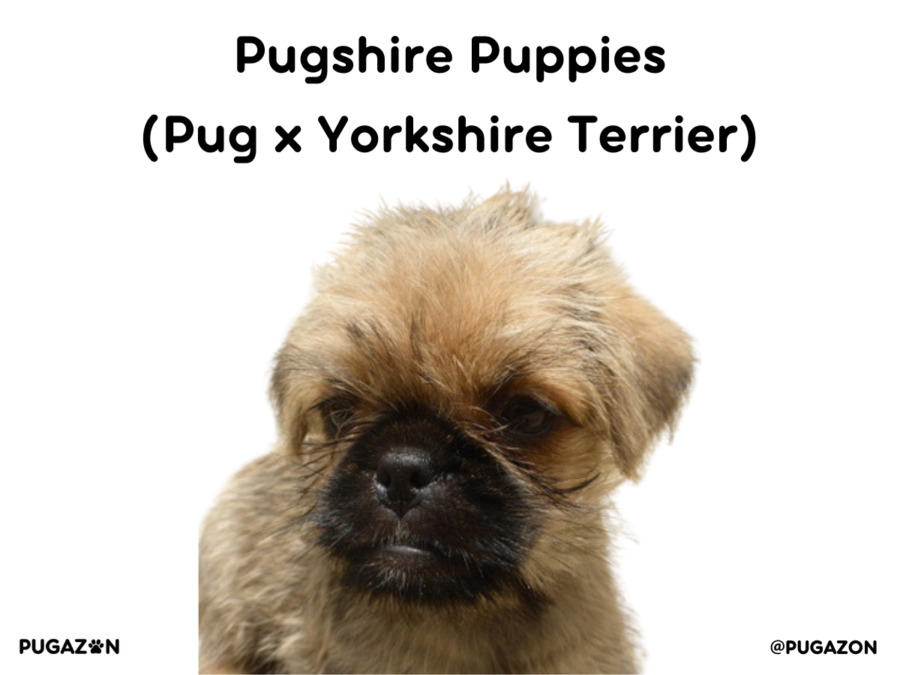
Pugshire puppies are small, affectionate companions full of quirky charm. They can be ideal for many households but may not suit every lifestyle. Understanding their pros and potential challenges will help you decide if this mix is the right fit.
Reasons to Love a Pugshire Puppy
- Affectionate lap dog: Bonds deeply with their family and enjoys constant companionship.
- Portable size: Easy to travel with and comfortable in small apartments or homes.
- Playful and lively: Great for families with children or active seniors.
- Low-to-moderate shedding: Often lighter shedders than purebred Pugs.
- Alert watchdog qualities: Yorkie genes make them quick to warn you of visitors.
Potential Challenges
- Strong-willed streak: Can inherit stubbornness from both parent breeds.
- Separation anxiety: Not ideal for owners who work long hours away from home.
- Grooming maintenance: Some need regular brushing and trims.
- Brachycephalic or tracheal issues: Watch for breathing sensitivities in hot weather.
If you’re prepared for early training, consistent companionship, and regular vet and grooming care, a Pugshire puppy can be the perfect loving addition to your household
FAQs – Pugshire Puppies
Pugshire puppies typically cost $800–$2,500 from a reputable breeder, depending on factors like lineage, coat type, and location. Adoption fees through rescues are generally lower. Always ask breeders for health certifications, vaccination records, and proof of responsible breeding practices. Avoid listings advertising “cheap pugshire puppies” or “rare colors” with no documentation. For safe listings and adoption options, visit our Pugs for Sale page and read our Pug Breeders guide before committing.
Adult Pugshire dogs usually weigh 7–15 lbs (3–7 kg) and stand 8–12 inches tall. Size varies based on which parent’s genetics dominate—some are more compact like a Pug, while others are taller and slimmer like a Yorkie. Feeding a balanced diet and avoiding overfeeding helps maintain a healthy adult weight. Small-breed puppies like Pugshires typically reach their full size between 10–12 months.
Yes! Most Pugshire puppies are gentle, playful, and affectionate, making them wonderful companions for children. Their small size means play sessions should always be supervised, especially with very young kids, to avoid accidental injuries. Early socialization helps them grow confident and tolerant around new people and environments. Learn more about their adult temperament on our Pugshire Breed page.
Shedding levels depend on coat type. Puppies with shorter, Pug-like coats shed moderately, while those with silkier Yorkie coats may shed very little. Regardless of coat type, weekly brushing reduces shedding, keeps fur healthy, and helps you bond with your puppy. Explore our Pug Grooming Products page for recommended brushes and grooming tools.
No dog breed is truly hypoallergenic. While some Pugshire puppies inherit a low-shedding coat from their Yorkie parent, allergens mainly come from skin dander and saliva. Spending time with Pugshire puppies before buying or adopting is the best way to test for allergies. Regular grooming, vacuuming, and air filtration can help allergy sufferers manage symptoms.
They’re intelligent and eager to please, but both parent breeds can be stubborn. Positive reinforcement with treats, praise, and short, engaging lessons works best. Start early with recall, sit, leash walking, and potty training. Avoid harsh corrections—they may cause fear or defiance. Our Pug Training Products list has clickers, harnesses, and interactive toys to make training more fun and effective.
Potential concerns include brachycephalic breathing problems (from the Pug side), tracheal collapse, luxating patella, eye injuries, and dental crowding. Choosing an ethical breeder who screens parents for these conditions reduces risk. Regular vet check-ups and keeping your puppy at a healthy weight are vital. Learn more on our Pug Health Care page.
Feed young puppies 3–4 small meals daily, gradually reducing to 2 meals by one year old. Use a small-breed puppy formula rich in protein, healthy fats, and calcium for proper growth. Avoid free-feeding, as Pugs are prone to obesity, and Yorkies can gain weight quickly. Measured meals and puzzle feeders help manage portion control.
Pugshires love human company and may struggle with being alone for long periods. Puppies shouldn’t be left more than 2–3 hours at a time during the early months. If you work long hours, consider a puppy sitter, dog walker, or daycare to prevent separation anxiety. Slowly building up alone time helps your Pugshire feel more secure.
Start with Pug Breeders to learn what questions to ask and what health checks to request. Avoid online ads with no verifiable information. Many rescue organizations also have Pug mixes, including Pugshires, waiting for loving homes. Check verified listings on Pugs for Sale or ask breed clubs for adoption leads.