Last updated on February 12th, 2026
Introduction
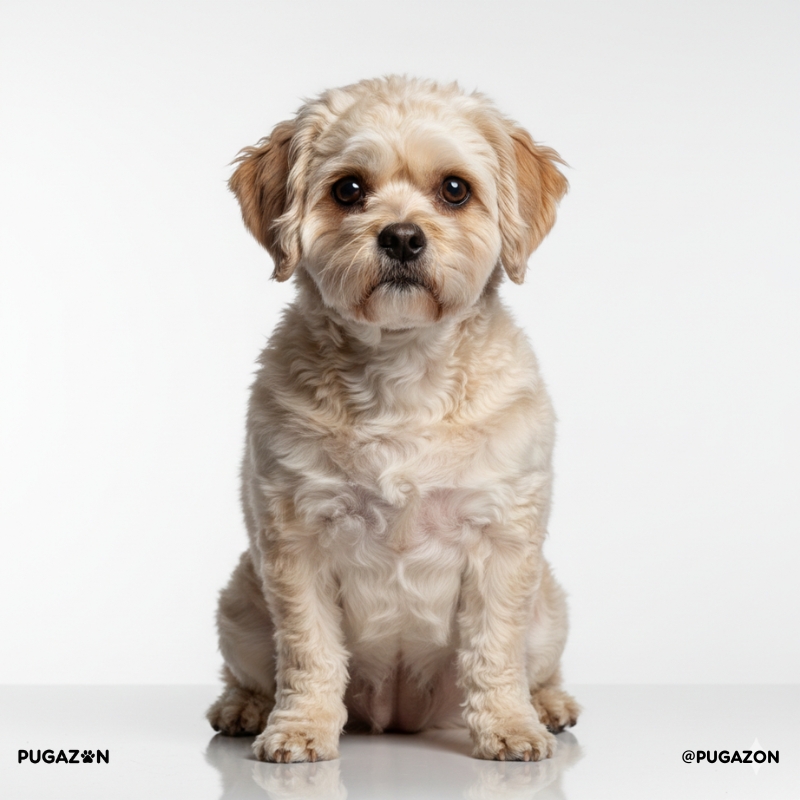
The Pugapoo, a hybrid between a pug and a poodle, is a delightful companion dog that combines the pug’s charming, affectionate nature with the poodle’s intelligence and often lower-shedding coat. This designer mix has grown in popularity over the past decade, appealing to families and individuals seeking a small-to-medium dog with a lively personality and potentially fewer allergens than traditional pugs.
However, owning a Pugapoo isn’t as simple as getting “the best of both breeds.” As with all crossbreeds, there is no guaranteed outcome in appearance, temperament, or health. Some Pugapoos lean heavily toward the pug side, while others inherit more poodle-like traits. Understanding these variations is crucial before deciding whether a Pugapoo is the right fit for your home.
In this guide, we’ll explore the history, recognition status, physical traits, temperament, health considerations, and care requirements of Pugapoos. This informational page provides a balanced overview to help you understand what life with a Pugapoo is really like. For those considering buying or adopting a pug mix, visit Pugs for Sale for reputable listings and adoption resources.
History & Origins of the Pugapoo
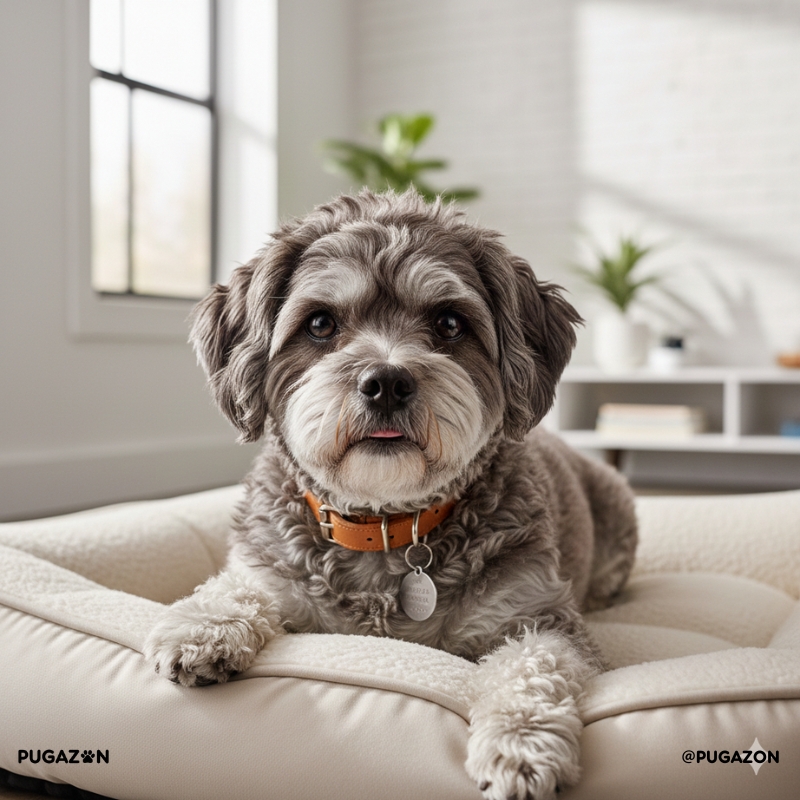
The Pugapoo is a relatively modern hybrid, first intentionally bred in the late 20th century, as designer dog mixes gained popularity.
Purpose of the Cross
- To combine the pug’s affectionate, loyal nature with the poodle’s intelligence, trainability, and potentially low-shedding coat.
- Some breeders aimed to reduce common pug health problems, particularly severe respiratory issues, by introducing poodle genetics.
Popularity Growth
- Pugapoos gained traction in the U.S. and Europe during the early 2000s, following trends set by Labradoodles and other poodle crosses.
- Their small-to-medium size, playful energy, and unique looks made them a favorite among families and city dwellers.
Recognition
- The American Kennel Club (AKC) and other major kennel clubs do not recognize the Pugapoo as a pure breed.
- Some hybrid registries accept Pugapoos if both parents are registered purebred dogs.
- Because it’s a crossbreed, physical and personality traits vary significantly from dog to dog.
Recognition & Breed Status
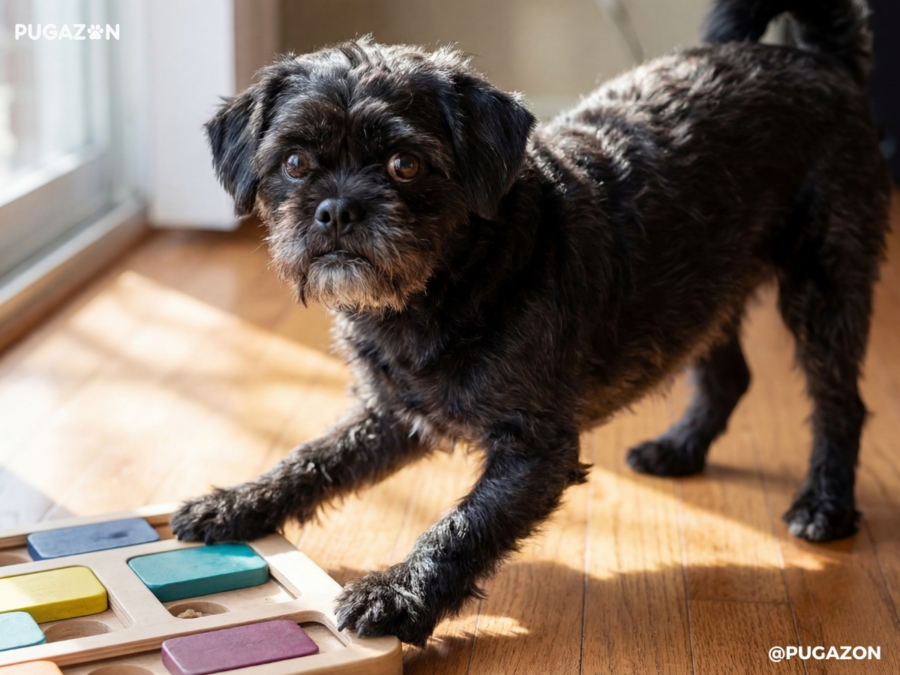
Pugapoos remain classified as a crossbreed or designer mix, meaning:
- No official breed standard exists.
- Appearance and temperament vary widely across litters.
- They cannot participate in conformation shows but are eligible for agility, obedience, and other mixed-breed competitions.
Designer Dog Debate
- Proponents: Believe Pugapoos combine the best of both parent breeds and may inherit improved health and trainability.
Critics: Argue that unpredictable genetics make it difficult to ensure consistent temperament, health, or hypoallergenic qualities. Some breeders exploit the trend for profit without proper care or testing.
Physical Traits of Pugapoos
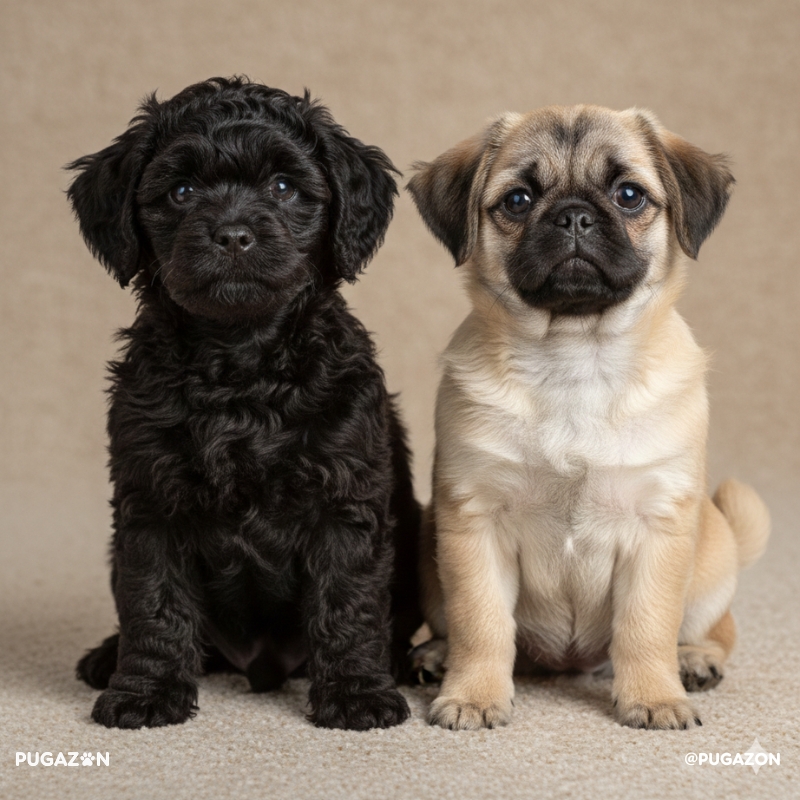
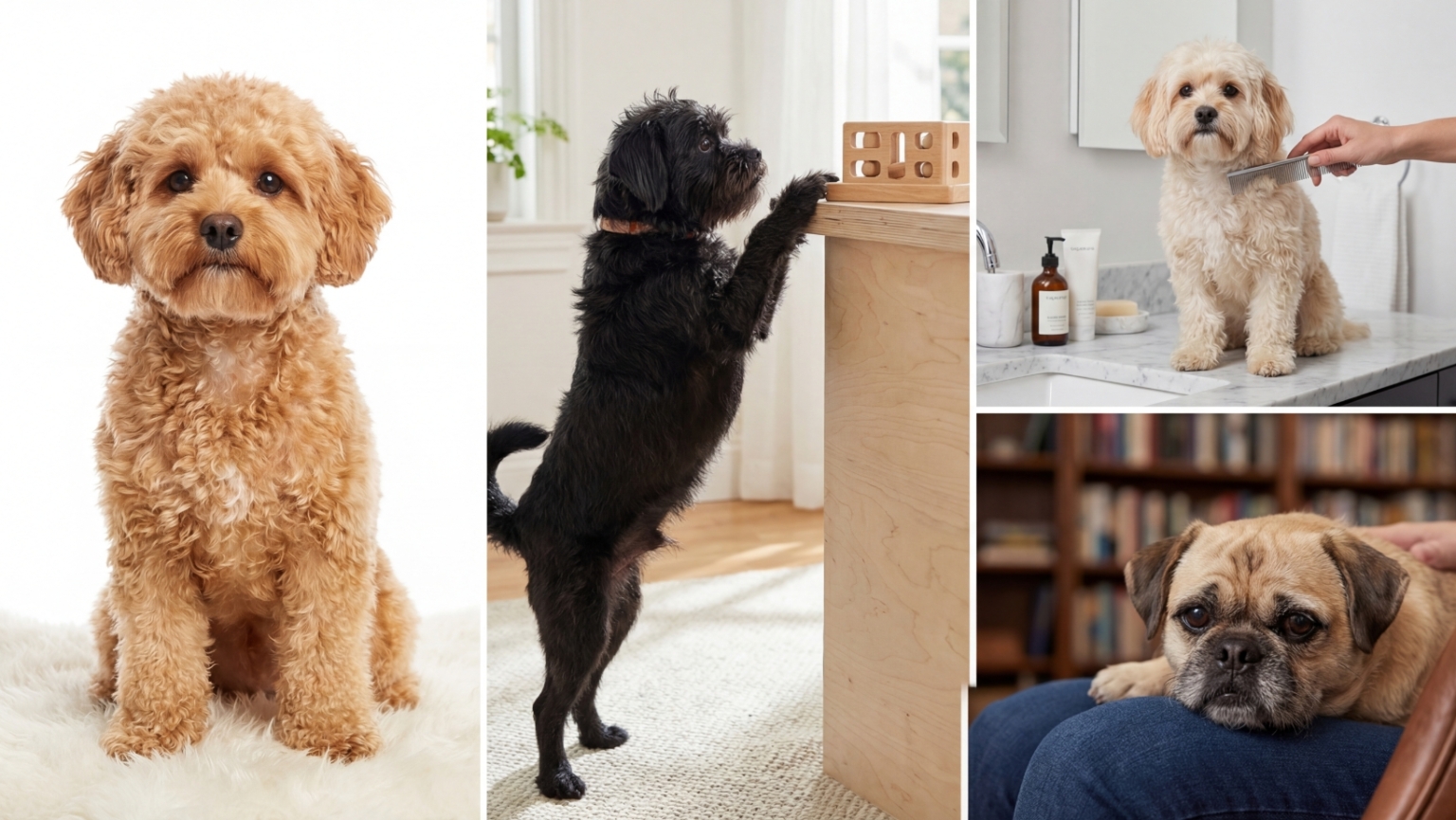
Pugapoos can inherit features from either or both parent breeds, making their appearance highly variable.
Size and Build
- Height: 8–15 inches (20–38 cm).
- Weight: 10–30 pounds (4.5–13.5 kg).
- Build: Compact and sturdy like a pug or leaner like a miniature poodle, depending on lineage.
Coat and Coloring
- Coat Type: May be short and smooth, wavy, or curly, requiring varying grooming needs.
- Color Variants: Fawn, black, cream, apricot, silver, chocolate, or mixed patterns.
Facial Features
- Muzzle: Some inherit the pug’s flat face, while others have a longer poodle-like snout, potentially reducing breathing problems.
- Ears: Floppy, rounded ears are most common.
- Tail: Usually curls like a pug’s, though looser curls or straight tails occur in some Pugapoos.
Grooming Needs
- Brushing: At least 2–3 times per week, or daily for curly coats.
- Bathing: Every 4–6 weeks with mild dog shampoo.
- Wrinkle Care: If pug-like folds are present, clean daily to avoid infections.
- Professional Grooming: Often needed every 6–8 weeks for wavier or curlier coats.
Temperament & Personality of Pugapoos
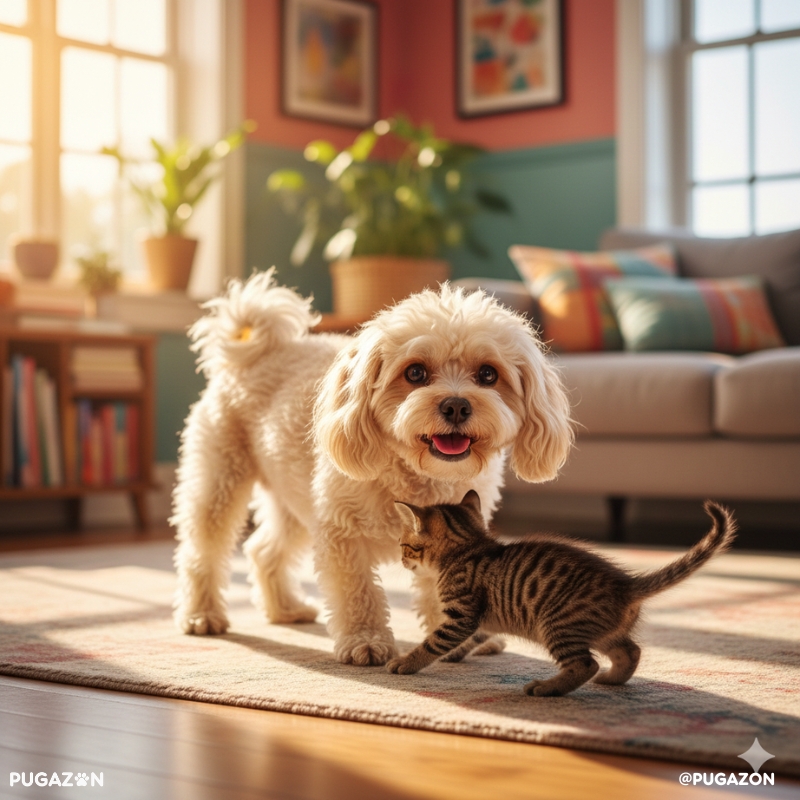
Pugapoos are known for their friendly, intelligent, and affectionate personalities, making them great companions for families, singles, and seniors alike. However, as with any crossbreed, their temperament can vary depending on which parent breed they take after more.
Key Traits
- Affectionate: Like pugs, they thrive on human companionship and love to be lap dogs.
- Intelligent: The poodle lineage adds sharp learning skills, making training easier than with purebred pugs.
- Playful: Pugapoos enjoy short play sessions, interactive toys, and mental stimulation.
- Adaptable: Well-suited to apartment living or larger homes, provided they get daily walks and playtime.
- Social: Most get along well with children, other dogs, and even cats when socialized early.
Potential Behavioral Challenges
- Stubbornness: Pug genes can introduce a willful streak, requiring patience in training.
- Separation Anxiety: Like many companion breeds, they dislike being left alone for long hours.
Overexcitability: Some Pugapoos inherit high energy from poodles, leading to occasional barking or zoomies.
Health, Risks & Longevity of Pugapoos
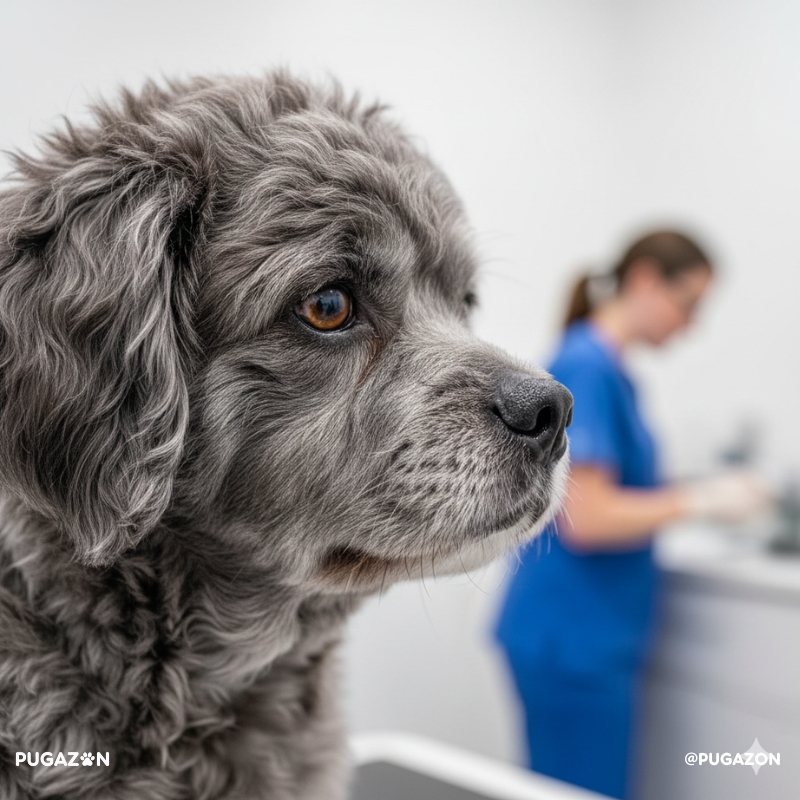
Pugapoos inherit their health traits from both parent breeds. While hybrid vigor can reduce some inherited conditions, it’s not guaranteed. Responsible breeders screen for genetic health issues before mating.
Common Health Concerns
- Respiratory Problems: Flat-faced Pugapoos may still suffer from brachycephalic airway syndrome, though a longer snout reduces risk.
- Eye Problems: Dry eye, ulcers, or proptosis can occur due to pug genetics.
- Joint Issues: Hip dysplasia or patellar luxation is possible from both breeds.
- Skin Conditions: Wrinkles or sensitive skin can develop if coat care is neglected.
- Dental Issues: Small mouths may lead to overcrowding and tartar buildup.
Lifespan
Pugapoos typically live 12–15 years, provided they receive:
- A balanced diet.
- Regular exercise.
Routine veterinary care and dental maintenance

Last update on 2025-02-12 / * Affiliate links / Image source: Amazon Product Advertising API
Care, Diet & Grooming for Pugapoos
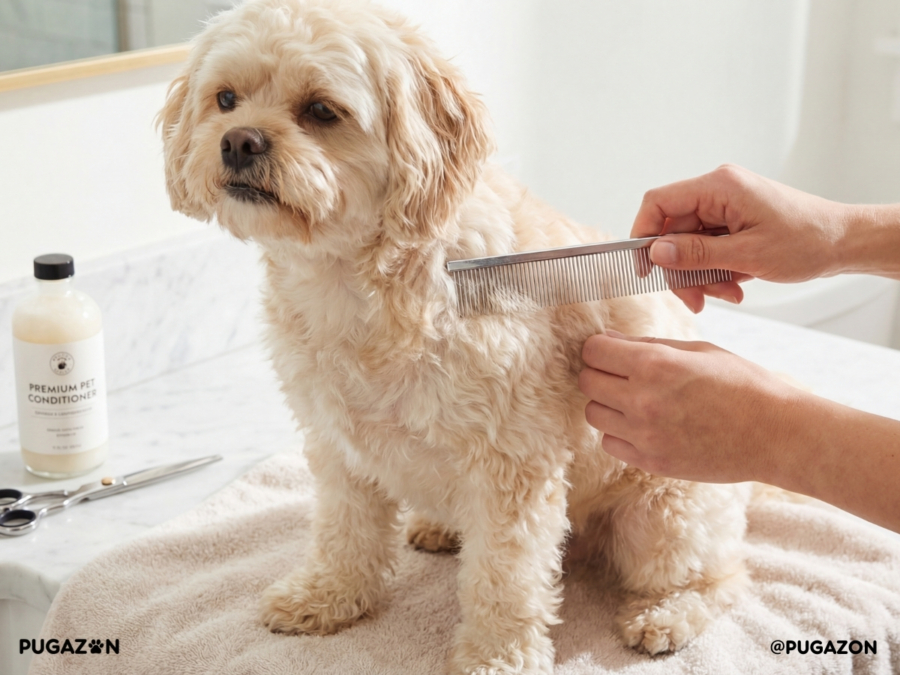
Pugapoos are relatively low-maintenance dogs, but their coat type and facial structure determine specific care needs.
Grooming
- Brushing: 2–4 times weekly; daily for curly coats to prevent matting.
- Professional Grooming: Every 6–8 weeks for poodle-like coats to maintain hygiene and comfort.
- Wrinkle Care: Clean facial folds daily if inherited from the pug side.
- Dental Hygiene: Brush teeth several times a week to prevent dental disease.
- Ear Cleaning: Check regularly for moisture buildup and wax.
Diet
- Small to Medium Breed Formula: High-quality food with protein, fiber, and omega fatty acids for coat health.
- Portion Control: Both parent breeds can gain weight easily; avoid overfeeding and table scraps.
- Supplements: Fish oil or joint support supplements may benefit long-term health.
Exercise
- Daily Walks: 20–30 minutes of light to moderate exercise.
- Playtime: Indoor games and interactive toys prevent boredom.
- Mental Stimulation: Puzzle feeders and training sessions help manage poodle-level intelligence.
Ethical Buying & Adoption Considerations
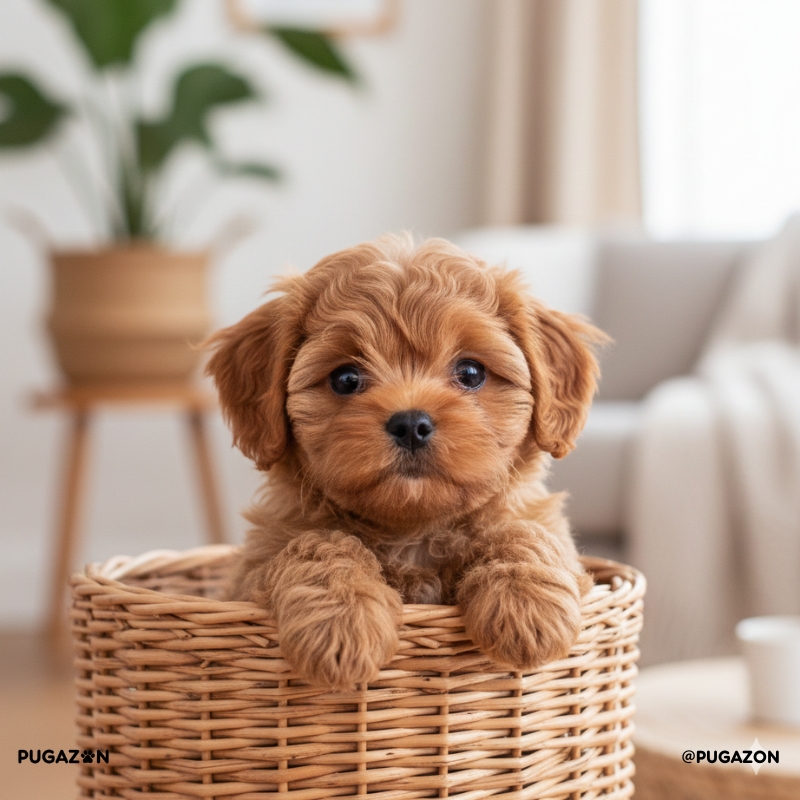
The popularity of Pugapoos has led to both reputable breeding programs and unethical backyard breeders focused on profit over welfare.
Risks in the Market
- Puppy Mills: Overbreeding without health screening increases genetic issues.
- False Claims: Some breeders market Pugapoos as hypoallergenic or 100% healthy without proof.
- Overpriced Puppies: Designer dog trends have led to inflated costs for unverified mixes.
Choosing Responsibly
- Ask for Parent Proof: Ensure both parents are purebred and health-tested.
- Request Genetic Testing: To check for respiratory issues, hip dysplasia, and eye conditions.
- Avoid “Hypoallergenic” Guarantees: Coat type varies and cannot guarantee allergy-free ownership.
Adoption Options
Many Pugapoos and other pug mixes end up in rescues or shelters due to owner mismatches or overbreeding. Adoption provides:
- A loving home to a dog in need.
- Lower costs compared to breeders.
- Transparency on temperament and health.
🔗 For verified breeders and ethical adoption listings, visit our Pugs for Sale page
Fun Facts & Trivia About Pugapoos
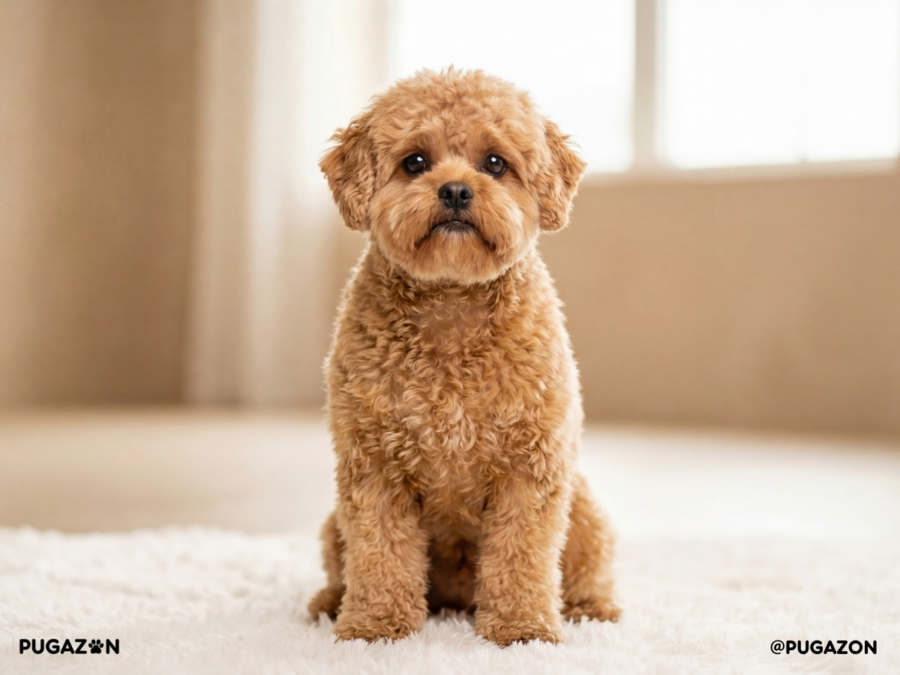
Coat Surprises
No two Pugapoos look alike. One litter can produce puppies with straight, wavy, or curly coats—all from the same parents.
Intelligence Levels
Many Pugapoos inherit the poodle’s intelligence, often ranking above average in obedience and problem-solving skills.
A Clown with Brains
They’re affectionate like pugs but playful tricksters who love entertaining their families with silly antics.
“Hypoallergenic” Myth
While poodle genes may reduce shedding, no dog is truly hypoallergenic. Pugapoos vary widely in allergen levels.
Early Trendsetters
Pugapoos were among the first small “designer dog” poodle mixes to gain popularity in the 1990s and 2000s
Adopting or Buying a Pugapoo
Pugapoos are affectionate, intelligent companions, but their rising demand has led to unethical breeding and misleading claims about “hypoallergenic” puppies. Always prioritize health and responsible breeding over quick purchases or marketing hype.
For pug breeders, trustworthy adoption listings, and guides on making an ethical choice, visit our Pugs for Sale before committing to a Pugapoo
FAQs About Pugapoos
No. Pugapoos are a hybrid between a pug and a poodle, meaning they are not officially recognized as a separate breed.
Shedding levels vary. Some Pugapoos inherit a low-shedding coat from the poodle, while others shed more like a pug.
Not guaranteed. Allergy sufferers may react to saliva or dander regardless of coat type.
They typically reach 8–15 inches in height and 10–30 pounds, depending on lineage.
If they inherit a flat pug-like muzzle, breathing issues may occur. A longer poodle-like snout can reduce risk.
With proper care, they usually live 12–15 years.
Prices range $1,000–$2,000, depending on breeder reputation. Always request proof of health testing and parent lineage.
Yes, many Pugapoos are available through rescues or shelters specializing in pug or poodle mixes.
Curly coats need daily brushing and professional grooming every 6–8 weeks. Smooth coats require less frequent brushing but still need routine care.