Last updated on January 21st, 2026
- Introduction
- What Is a Pugapoo Puppy? (Overview & Traits)
- Quick Facts About Pugapoo Puppies
- Growth & Weight Milestones (0–12 Months)
- Vet Care, Vaccinations & Preventatives
- Feeding Your Pugapoo Puppy
- Sleep, Toilet Training & Daily Routine
- Socialization & Early Training Foundations
- Grooming & Hygiene for Pugapoo Puppies
- Real Costs of Owning a Pugapoo Puppy
- Finding Ethical Pugapoo Puppy Sources
- Is a Pugapoo Puppy Right for You?
- FAQs About Pugapoo Puppies
- How much do Pugapoo puppies cost?
- How big will a Pugapoo puppy get?
- Are Pugapoo puppies good for families with kids?
- Do Pugapoo puppies shed?
- Are Pugapoo puppies hypoallergenic?
- How easy are Pugapoo puppies to train?
- What health issues are common in Pugapoo puppies?
- How do I house-train a Pugapoo puppy?
- When should a Pugapoo puppy switch to adult food?
- Where can I find reputable breeders or rescues for Pugapoo puppies?
Introduction
If you’ve ever wished for a puppy with the affectionate charm of a Pug and the intelligence and energy of a Poodle, then Pugapoo puppies might just be your dream come true. This increasingly popular designer mix combines two of the world’s most beloved breeds, resulting in a small-to-medium companion that’s playful, clever, loving, and often low-shedding—a huge bonus for allergy-conscious households.
But like every puppy, raising a Pugapoo comes with responsibilities. Their first year is critical for socialization, training, feeding, grooming, and healthcare routines that set the foundation for a happy, well-adjusted adult dog. Whether you’re looking to buy or adopt, understanding this mix will help you make an informed decision and start your journey off right.
In this comprehensive guide, we’ll cover everything you need to know about Pugapoo puppy care, from growth milestones and nutrition to grooming needs, costs, and how to find reputable breeders or rescues.
🔗 Helpful resources:
- Pugs for Sale – Verified listings to safely buy or adopt Pugapoo puppies near you.
- Pug Breeders – Checklist to find ethical breeders and avoid scams.
- Pugapoo Breed page – Adult temperament, exercise, and health overview.
- Pug Health Care – Common Issues & Preventative Tips.
What Is a Pugapoo Puppy? (Overview & Traits)

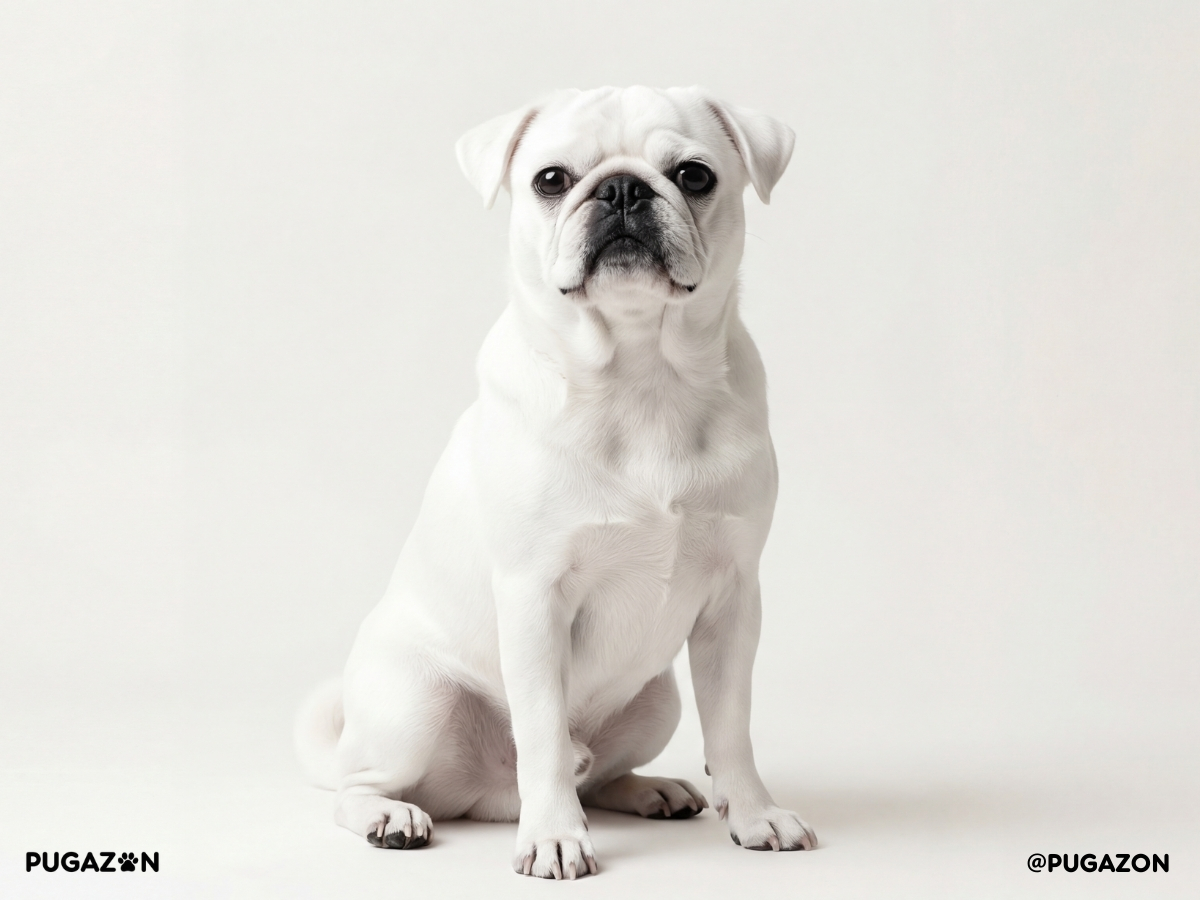
A Pugapoo puppy is a crossbreed between the Pug, a loving, comical companion dog, and the Poodle, a highly intelligent and athletic breed. The result is a puppy that’s affectionate, trainable, social, and often more allergy-friendly than many other Pug mixes.
What Makes Pugapoo Puppies Unique?
- Affection & Loyalty: Pugs are famously devoted lap dogs; Poodles add curiosity and charm.
- Smarts & Trainability: Pugapoos inherit Poodle intelligence, making them quick learners.
- Possible hypoallergenic coats: Many Pugapoos have curly or wavy hair that sheds less.
- Adaptable to most homes: Small to medium size makes them suitable for apartments or houses.
- Energetic but balanced: Enjoy playtime and walks but also love to snuggle on the couch.
Not all Pugapoos are the same—the Poodle parent’s size (toy or miniature) and coat type play a big role in your puppy’s final look, energy level, and grooming needs. Always meet the breeder and parents to better predict your pup’s traits
Quick Facts About Pugapoo Puppies
Trait | Details |
Parent Breeds | Pug × Poodle (typically Miniature Poodle) |
Average Adult Size | 10–25 lbs (4.5–11 kg), 10–15 inches tall |
Energy Level | Moderate; needs daily play and mental stimulation |
Temperament | Affectionate, intelligent, eager-to-please, social with people and pets |
Shedding Level | Low to moderate; many are low-shedding but not guaranteed hypoallergenic |
Grooming Needs | Regular brushing, trimming every 6–8 weeks if coat is curly/wavy |
Lifespan | 12–15 years |
Ideal Living Situation | Families, singles, apartments, or houses with moderate activity |
Common Health Watch-Outs | Hip dysplasia, patella issues, brachycephalic breathing (from Pug side) |
Growth & Weight Milestones (0–12 Months)
Pugapoos typically grow into small-to-medium dogs, smaller than most Labradoodles but larger than a pure Pug. Their growth rate and adult size depend heavily on the size of the Poodle parent and which parent’s genes dominate.
Age | Average Weight | What to Expect |
8 weeks | 3–7 lbs | Settling into home, basic bonding, starting crate and potty training |
3–4 months | 6–12 lbs | Teething, socialization trips, learning leash skills |
5–6 months | 9–18 lbs | Adolescence kicks in; higher energy and curiosity |
7–12 months | 10–25 lbs | Nearing adult size; coat may change texture as they mature |
Growth Tips for Pugapoo Puppies
- Feed balanced meals to avoid overfeeding—Pugs and Poodles both love food.
- Monitor weight weekly to keep body condition lean.
- Avoid long runs or high-impact exercise until growth plates close (~12 months).
- Consult your vet about orthopedic screenings, especially if your pup leans toward the Pug’s compact build.
Learn more about healthy puppy growth on our Pug Health Care page.
Vet Care, Vaccinations & Preventatives

Your Pugapoo puppy’s first-year health care sets the tone for lifelong wellness. A responsible breeder will have started vet checks and vaccinations before you bring your puppy home, but you’ll need to continue this care schedule:
Age | Vet Care |
8–10 weeks | First vet check, DHPP vaccine, microchip, deworming |
12–16 weeks | Booster shots, rabies vaccine, flea/tick/heartworm prevention plan |
5–6 months | Spay/neuter discussion, early dental check, hip and knee assessment |
6–12 months | Annual wellness exam, parasite preventatives, continued dental care |
Potential Health Concerns
- Breathing issues: Some Pugapoos inherit shorter muzzles, causing snoring or heat sensitivity.
- Joint problems: Both breeds may pass on hip or knee issues—avoid over-exercise during growth.
- Dental care: Smaller breeds can develop plaque quickly; brush often.
- Allergies: Some Pugapoos are prone to food or environmental allergies.
Keep detailed health records and follow your vet’s advice on vaccinations and parasite control.
Feeding Your Pugapoo Puppy
Nutrition directly impacts your Pugapoo puppy’s growth, energy levels, and long-term health. Both Pugs and Poodles love food, making it easy to overfeed, so portion control is key.
Feeding Schedule
- 8–12 Weeks: 3–4 small meals/day.
- 3–6 Months: 3 meals/day, with healthy training treats.
- 6–12 Months: 2 meals/day once growth steadies.
Best Diet for Pugapoo Puppies
- Choose a high-quality small-breed puppy formula, rich in protein and healthy fats.
- Look for added omega-3 fatty acids to support coat, brain, and joint health.
- Avoid free-feeding; measure portions according to puppy weight and activity level.
Age | Meals/Day | Daily Amount |
8–12 weeks | 4 | Split recommended amount evenly across meals |
4–6 months | 3 | Adjust based on energy needs and growth chart |
6–12 months | 2 | Transition slowly to adult food around 10–12 months |
Overfeeding not only causes weight gain but can strain developing joints and worsen breathing issues. For slow feeders, puzzle bowls, and treat pouches, see Pug Training Products.

Last update on 2025-02-12 / * Affiliate links / Image source: Amazon Product Advertising API
Sleep, Toilet Training & Daily Routine
A well-rested Pugapoo puppy is a happy, well-behaved puppy. Structure your days to build good habits early:
Sleep Needs
- 14–18 hours/day of rest, including naps.
- A crate or puppy pen provides a safe, cozy space for downtime.
- Keep evenings calm to make bedtime easier.
Potty Training Tips
- Take your pup out after waking, meals, and playtime.
- Use one toilet spot and reward immediately after success.
- Crate training speeds up housebreaking by preventing overnight accidents.
Sample Daily Routine
- Morning: Toilet → breakfast → 5–10 min training game → nap.
- Midday: Short walk → socialization outing → snack → nap.
- Evening: Dinner → play and enrichment toys → cuddle time → bedtime routine.
Predictable routines reduce anxiety and make your Pugapoo puppy feel secure, improving learning and behavior from day one.
Socialization & Early Training Foundations

A Pugapoo puppy combines the playful charm of a Pug with the intelligence of a Poodle, making them one of the most social and trainable mixed breeds. But to bring out their best behavior, you’ll need to start socialization and basic training early—ideally within their first 16 weeks.
Why Socialization Matters
Even though Pugapoos are naturally people-oriented, early experiences help them feel safe and confident in new situations. Well-socialized Pugapoos are less likely to develop fear-based barking, separation anxiety, or reactivity as adults.
Goal | Practical Activities for Pugapoo Puppies |
Meet different people | Introduce to men, women, children, delivery drivers, people wearing hats or glasses. |
Explore new environments | Short, positive visits to parks, outdoor cafés, pet-friendly shops, or quiet neighborhood walks. |
Build confidence with sounds | Exposure to vacuum cleaners, doorbells, car engines, music, and household noises—always paired with treats. |
Interact with friendly dogs | Controlled, positive playdates with vaccinated puppies or calm adult dogs. |
Experience handling | Gentle touches on paws, ears, mouth, and tail to prepare for grooming and vet visits. |
Encounter different objects | Walk past bikes, strollers, umbrellas, and wheeled bins to avoid fear later on. |
Keep every session short, calm, and rewarding. A frightened puppy won’t learn, but a curious, happy Pugapoo will quickly store new experiences as “safe and fun.”
Early Training Basics
Your Pugapoo’s Poodle intelligence and Pug eagerness for food make them a joy to train with positive reinforcement. Focus on short, engaging lessons to set a foundation for good manners.
- Name Recall: Say their name → reward for attention.
- Sit Before Everything: Teach patience before meals, door exits, and greetings.
- Come When Called: Practice indoors first, use high-value treats, and celebrate success.
- Loose-Leash Skills: Start in your backyard or living room before public walks.
- Mat Training: Teach “settle” for calmness during busy family times or vet visits.
Trainer’s Tip: Two to four 3-minute sessions per day build stronger habits than long training marathons. Always end on a win to keep your Pugapoo puppy excited for the next lesson.
🐾 For recommended tools like harnesses, clickers, long leads, and puzzle toys, visit our Pug Training Products page.
Grooming & Hygiene for Pugapoo Puppies
A Pugapoo’s coat can be straight, wavy, or curly, depending on which parent they take after. Most Pugapoos shed less than a pure Pug, making them popular for allergy-conscious families, but they do require regular grooming.
Coat Care
- Straight/wavy coat: Brush 2–3 times per week to remove loose fur.
- Curly coat: Daily brushing to prevent tangles and mats.
- Professional grooming: Every 6–8 weeks for curly-coated Pugapoos to maintain shape and hygiene.
Bathing
- Bathe every 4–6 weeks or when dirty.
- Use a mild puppy shampoo and rinse thoroughly.
- Dry completely to avoid damp odors or skin irritation.
Ear & Eye Care
- Ears: Poodles can pass on floppy ears prone to infections. Clean weekly with vet-approved solution.
- Eyes: Some Pugapoos inherit Pug-like prominent eyes; watch for scratches or discharge.
Teeth & Nails
- Brush teeth daily or use vet-recommended dental chews to avoid tartar buildup.
- Trim nails every 2–3 weeks—short nails support good posture and joint health.
Grooming Task | Frequency |
Brushing | 3–7x/week (coat type dependent) |
Bathing | 4–6 weeks |
Nail trimming | 2–3 weeks |
Ear cleaning | Weekly |
Tooth brushing | Daily |
Professional trim | Every 6–8 weeks |
🐾 Find brushes, detanglers, ear cleaners, and puppy-safe nail tools on our Pug Grooming Products page.
Real Costs of Owning a Pugapoo Puppy
Owning a Pugapoo puppy comes with upfront and recurring expenses that many new owners underestimate. Preparing for these costs ensures your puppy receives the best possible care.
One-Time Upfront Costs
- Purchase/adoption: $1,200–$3,000 from an ethical breeder; lower in rescues.
- Supplies: Crate, bedding, bowls, toys, collar, harness, microchip ($250–$500).
- Initial vet visits: Exams, vaccines, deworming ($200–$400).
Monthly Expenses
- Food: $40–$90 for high-quality small-breed food.
- Preventative care: $30–$70 for flea, tick, heartworm treatments.
- Training classes: $100–$300 per group course.
- Grooming: $30–$80 per session every 6–8 weeks for curly coats.
- Insurance: $25–$60 monthly for peace of mind.
Expense Type | Average Year 1 Cost |
Puppy purchase/adoption | $1,200–$3,000 |
Starter supplies | $300–$500 |
Veterinary care | $600–$1,000 |
Food & treats | $500–$1,000 |
Training | $100–$300 |
$300–$600 | |
Insurance | $300–$700 |
Avoid buying from “rare or mini Pugapoo puppy” ads with unusually high prices or no health certifications. Stick to Pugs for Sale for tips, tricks and resources on buying a pug and always ask for health documentation
Finding Ethical Pugapoo Puppy Sources
Designer breeds like Pugapoos are high-demand, attracting puppy mills and unethical sellers. Choosing the right breeder or rescue ensures you get a healthy, well-raised puppy.
Signs of a Reputable Breeder
- Raises puppies in-home, not in crowded kennels.
- Provides health tests for both parents (hips, patellas, eyes, breathing).
- Allows in-person or video visits with puppies and parents.
- Offers a written contract, microchip details, and lifetime support.
- Screens you as a buyer to ensure a good match.
Red Flags
- Puppies always “ready now” or shipped with no interaction.
- No health certificates or breeder avoids questions.
- Multiple litters and breeds for sale year-round.
- Claims of “rare, hypoallergenic Pugapoo puppies” without proof.
Adoption option: Many Poodle and Pug rescues have mixes, including Pugapoos, waiting for loving homes. Ask for temperament notes to find the right fit.
💡 Tip: Read our Pug Breeders guide for a full vetting checklist, and browse buying guidelines and resources on Pugs for Sale to avoid scams.
Is a Pugapoo Puppy Right for You?

A Pugapoo puppy is a wonderful choice for many families, but this mix isn’t the perfect fit for everyone. Knowing the pros and potential challenges will help you decide if this breed aligns with your lifestyle.
Why Families Love Pugapoos
- Affectionate companions: Expect a loyal, snuggly pup who thrives on human attention.
- Smart and trainable: Poodle genes make them quick learners, ideal for first-time owners.
- Potentially low-shedding: Many inherit a wavy or curly coat that sheds less than a Pug’s.
- Small-to-medium size: Suitable for apartments or homes with limited space.
- Great with kids and pets: Social by nature when introduced properly.
Potential Challenges
- High attachment levels: Pugapoos may struggle with long periods alone.
- Regular grooming needs: Curly coats require frequent brushing and trims.
- Health concerns: Possible joint issues, breathing sensitivity, or allergies.
- Energy management: While not hyper, they need daily mental and physical stimulation.
If you’re prepared for consistent training, proper grooming, and daily companionship, a Pugapoo puppy can be the ideal addition to your home. If your schedule involves long work hours, minimal free time, or you prefer a low-maintenance breed, consider other mixes in our Pug Breeds Guide
FAQs About Pugapoo Puppies
The typical price range is $1,200–$3,000 from a reputable breeder, depending on location, parent lineage, coat type, and health testing. Adoption fees through rescues are generally lower. Be cautious of online ads offering “rare” or “mini Pugapoo puppies” at unusually high or low prices—these are often linked to puppy mills. For safe, verified listings, visit Pugs for Sale and review our Pug Breeders guide for essential buyer questions.
Most Pugapoos mature between 10–25 lbs (4.5–11 kg) and stand 10–15 inches tall. The final size depends on whether the Poodle parent is a toy or miniature variety and which parent’s genes dominate. Your breeder should give you an estimated adult weight based on past litters. Feed a balanced diet to avoid excess weight gain—a common issue in Pug mixes.
Yes, Pugapoos are known for their gentle, playful, and affectionate nature, making them great with children. Early socialization helps them feel confident around kids of all ages. Always supervise interactions with young children to ensure safe play for both sides. See our Pugapoo Breed page for adult temperament insights.
Many Pugapoos shed less than a purebred Pug thanks to their Poodle parent, but low-shedding is not guaranteed. Coat type varies—curly coats usually shed less, while straight coats may shed moderately. Regular brushing and professional grooming every 6–8 weeks reduce loose hair. See Pug Grooming Products for recommended tools.
Some are more allergy-friendly due to the Poodle influence, but no dog is truly hypoallergenic. Allergens come from skin dander and saliva, not just hair. Spend time with Pugapoo puppies before adopting if allergies are a concern. Regular grooming and air filtration can help reduce allergens in the home.
Very! Pugapoos inherit Poodle intelligence and Pug food motivation, making them responsive to positive reinforcement. They excel with short, engaging sessions and clear boundaries. Start early with name recognition, recall, sit, and leash skills. For recommended training gear and interactive toys, check Pug Training Products.
Potential concerns include joint problems (hip dysplasia, patella luxation), brachycephalic breathing issues, eye injuries, and allergies. A responsible breeder will test parents for these risks. Keep your puppy lean, avoid over-exercise during growth, and schedule regular vet checks. Learn more on Pug Health Care – Common Issues & Preventative Tips.
Consistency is everything. Take your puppy out every 2–3 hours, after meals, naps, and play. Reward immediately for outdoor success. Crate training can help build bladder control overnight. Accidents are normal early on—clean thoroughly to prevent repeat spots.
Most transition around 10–12 months, once they reach adult size. Gradually introduce adult food over 7–10 days to avoid stomach upset. Small-breed formulas are ideal for maintaining healthy weight and supporting joint health.
Start with Pug Breeders to learn what to ask and what to avoid. Ethical breeders are transparent, health-test parents, and allow visits or video calls. Many rescues and shelters also have Pug mixes, including Pugapoos, looking for loving homes. Browse safe listings on Pugs for Sale to avoid scams.