Last updated on January 21st, 2026
- Introduction
- What Is a Pugalier Puppy? (Overview & Traits)
- Quick Facts About Pugalier Puppies
- Growth & Weight Milestones (0–12 Months)
- Vet Care, Vaccinations & Preventatives
- Feeding Your Pugalier Puppy
- Sleep, Toilet Training & Daily Routine
- Socialization & Early Training Foundations
- Grooming & Hygiene for Pugalier Puppies
- Real Costs of Owning a Pugalier Puppy
- Finding Ethical Pugalier Puppy Sources
- Are Pugalier Puppies Right for You?
- FAQs About Pugalier Puppies
Introduction
Thinking about adding a Pugalier puppy to your family? This adorable mix of a Pug and a Cavalier King Charles Spaniel is winning hearts worldwide. With the Pug’s affectionate, clownish nature and the Cavalier’s gentle, people-oriented personality, Pugalier puppies are bred for companionship and thrive in family homes.
But before you bring one home, you’ll want to know what life with a Pugalier puppy is really like. This guide walks you through everything you need for the first 12 months, including feeding, training, grooming, health care, costs, and how to find reputable breeders or rescues.
🔗 Helpful links:
- Pugs for Sale – safe, verified puppy listings.
- Pug Breeders – how to choose an ethical breeder.
- Pugalier Breed page – adult size, traits, and long-term care overview.
- Pug Health Care – Common Issues & Preventative Tips.
What Is a Pugalier Puppy? (Overview & Traits)
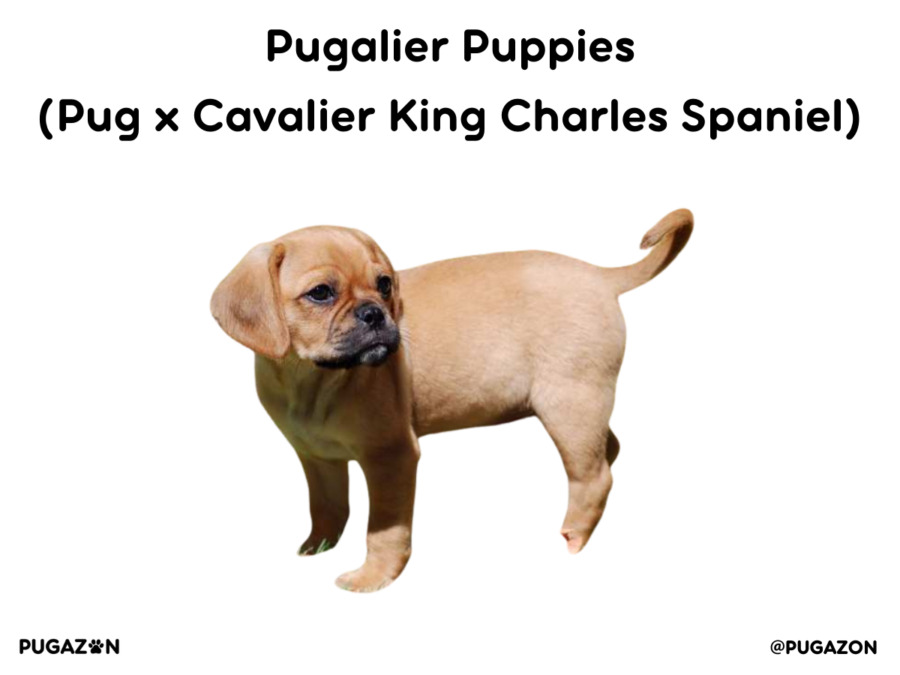
A Pugalier puppy is the charming result of crossing a Pug with a Cavalier King Charles Spaniel. This combination blends two affectionate, people-loving breeds, resulting in a small, adaptable, and sweet-natured companion that adores attention and thrives on human connection.
What Makes Pugaliers Special?
- Affectionate: Known as lap dogs who live for cuddles and companionship.
- Gentle temperament: Cavaliers pass on their famously calm, friendly nature.
- Adaptable: Happy in apartments or houses as long as they’re included in family life.
- Cute looks: Big round eyes, soft floppy ears, shorter muzzle, and a silky or smooth coat.
- Sociable: Natural charmers with children, other pets, and visitors alike.
Visit the Pugalier Breed page for details on adult appearance, exercise levels, and long-term temperament.
Quick Facts About Pugalier Puppies
Trait | Details |
Parent Breeds | Pug × Cavalier King Charles Spaniel |
Average Adult Size | 10–20 lbs (4.5–9 kg); 10–14 inches tall |
Energy Level | Low to moderate; daily short walks and indoor play |
Lifespan | 12–15 years |
Coat Type & Shedding | Short to medium length, soft, low-to-moderate shedding |
Grooming Needs | Weekly brushing, ear checks, tear cleaning, occasional baths |
Temperament | Affectionate, gentle, loyal, playful |
Ideal Living Situation | Apartments or homes with time for cuddles and companionship |
Common Health Watch-Outs | Eye issues, brachycephalic breathing, heart checks (from Cavalier) |
Growth & Weight Milestones (0–12 Months)
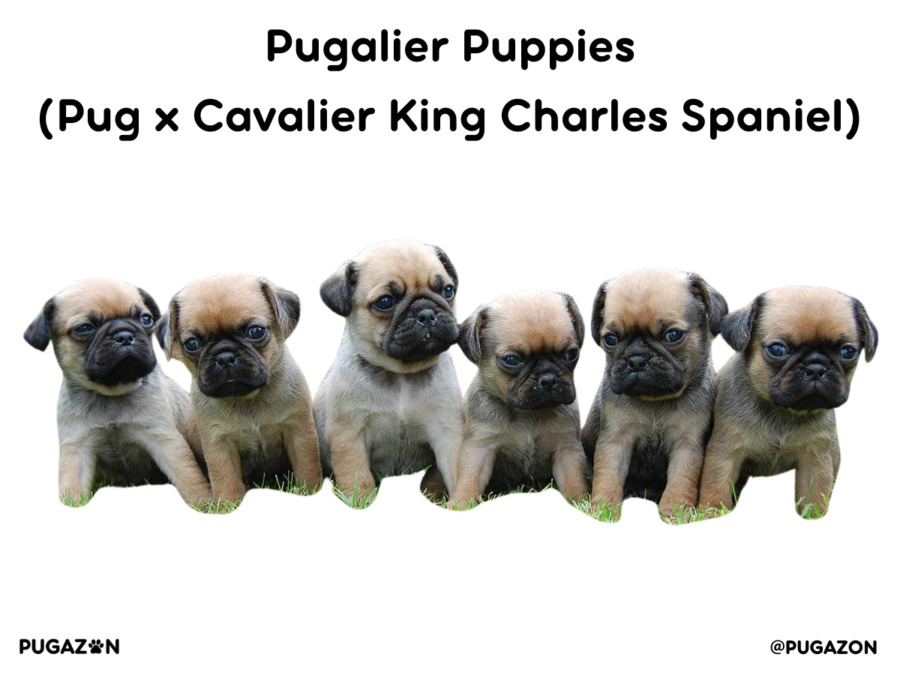
Most Pugalier puppies stay on the smaller side, making them ideal for city dwellers or anyone wanting a compact but sturdy dog. Tracking growth ensures your puppy reaches a healthy adult weight without overfeeding.
Age | Average Weight | What to Expect |
8 weeks | 3–6 lbs | Settling in, bonding, early crate and potty training |
3–4 months | 6–10 lbs | Teething, first social walks, developing confidence |
5–6 months | 8–15 lbs | Playful adolescence, testing rules, early leash manners |
7–12 months | 10–20 lbs | Near adult size, energy levels even out, switching to adult food |
Growth Tips
- Avoid rapid weight gain—Pugs and Cavaliers are both prone to obesity.
- Measure meals and weigh your puppy weekly.
- Keep exercise short but frequent, especially before bones fully develop.
🔗 For growth tracking and preventative care tips, visit our Pug Health Care – Common Issues & Preventative Tips.
Vet Care, Vaccinations & Preventatives
Early vet care lays the groundwork for a long, healthy life. Expect multiple visits during the first year:
Age | Vet Care |
8–10 weeks | Full exam, DHPP vaccine, deworming, microchip |
12–16 weeks | Booster shots, rabies vaccine, parasite prevention |
5–6 months | Spay/neuter, heart and patella check (common in small breeds) |
6–12 months | Annual exam, dental check, continued flea/tick/heartworm prevention |
Health Watch-Outs
- Brachycephalic breathing issues: Short muzzle may cause snoring or mild heat sensitivity.
- Eye protection: Prominent eyes are prone to scratches or dryness.
- Heart health: Cavaliers may pass on predispositions—early vet monitoring helps.
Keep a health file with all vet records and breeder-provided certificates for future reference.
Feeding Your Pugalier Puppy
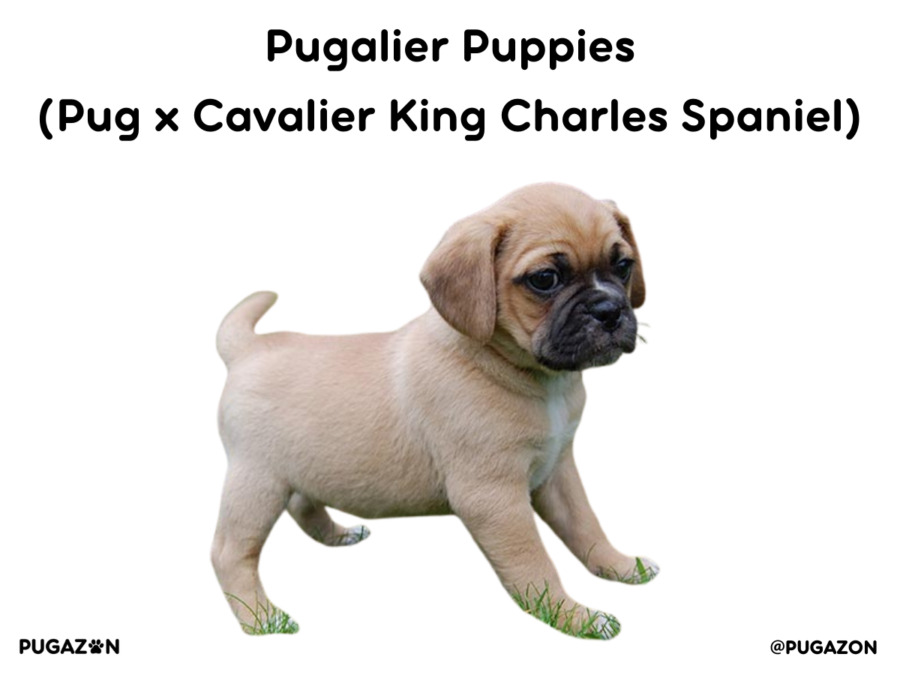
Pugaliers are foodies but also prone to weight gain, so smart feeding habits are crucial from day one.
Feeding Schedule
- 8–12 Weeks: 3–4 small meals/day.
- 3–6 Months: 3 meals/day, treats ≤10% of intake.
- 6–12 Months: 2 meals/day, balanced portions.
Food Choices
- Small-breed puppy kibble with high-quality proteins.
- Healthy fats for skin and coat.
- Avoid free-feeding or high-calorie table scraps.
- Provide fresh water 24/7.
Age | Meals/Day | Daily Amount |
8–12 wks | 4 | Split manufacturer’s guideline into even portions |
4–6 mths | 3 | Adjust monthly to maintain visible waist and energy |
6–12 mths | 2 | Transition to adult food gradually over 7–10 days |
Monitor body condition weekly. A lean puppy is a healthy puppy, reducing future joint strain and breathing difficulties.

Last update on 2025-02-12 / * Affiliate links / Image source: Amazon Product Advertising API
Sleep, Toilet Training & Daily Routine
Pugaliers thrive on structure, routine, and gentle guidance, making training smooth and enjoyable.
Sleep Needs
- 14–18 hours/day including naps.
- Provide a crate or quiet corner for safe rest.
- Avoid late-evening play that overstimulates before bedtime.
Toilet Training
- Frequent outdoor trips: after waking, meals, playtime, and before bed.
- Reward success immediately—tiny treats and happy praise work wonders.
- Crate training helps puppies learn to hold overnight.
Sample Routine
- Morning: Toilet → breakfast → 5–10 min walk → nap.
- Midday: Training game → social exposure trip → nap.
- Evening: Dinner → enrichment toy → calm cuddle before bed.
Predictable days make Pugalier puppies feel secure, boosting confidence and speeding up house-training success.
Socialization & Early Training Foundations
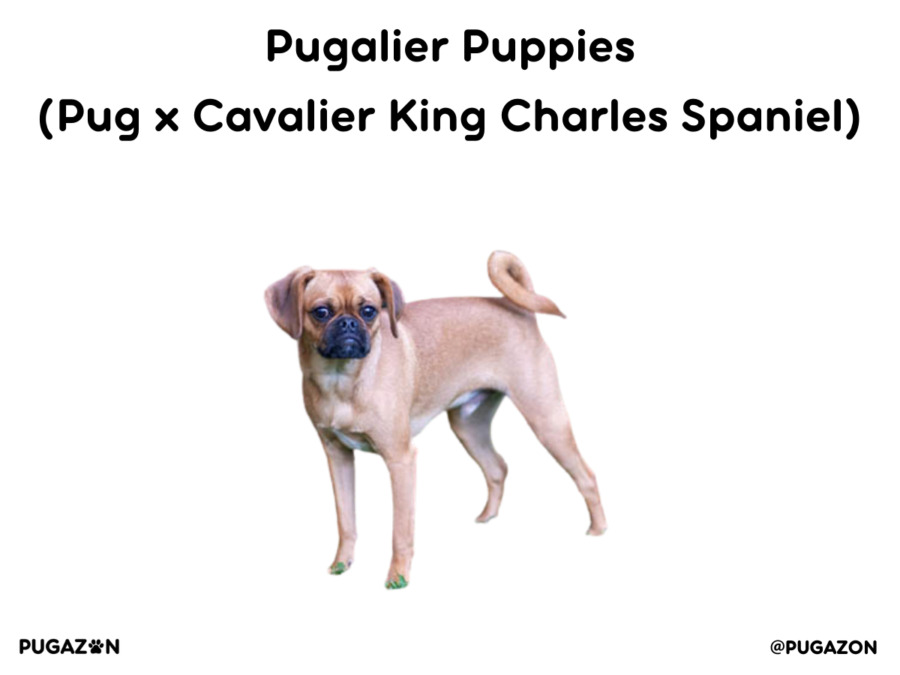
A Pugalier puppy is born with a heart full of love and curiosity. But to grow into a well-adjusted, confident adult, socialization and early training are essential in their first few months. The 8–16 week window is especially important—the experiences your puppy has now will shape their behavior for life.
Why Socialization Matters
Pugaliers are naturally friendly, but like all puppies, they can develop shyness or overexcitement if they don’t learn how to navigate the world early on. Socialization teaches them that people, pets, sounds, and places are safe and fun, setting the stage for a happy, confident dog.
Goal | Activities to Try |
Meet a variety of people | Kids, adults, hats, glasses, wheelchairs, walkers |
New sights & sounds | Vacuums, buses, doorbells, hairdryers |
Positive dog exposure | Calm, vaccinated dogs; supervised playdates |
Different environments | Parks, outdoor cafés, quiet streets, car rides |
Keep sessions short and positive—just a few minutes each—always paired with tiny treats or gentle praise.
Early Training for Pugalier Puppies
Training should feel like a game, not a chore. Pugaliers love making you happy, especially if snacks are involved. Start with simple cues:
- Name Recognition: Say their name once → reward for eye contact.
- Sit: Ask for a sit before feeding, opening doors, or greeting people.
- Come When Called: Practice indoors first, rewarding generously for success.
- Loose-Leash Walking: Begin in quiet spaces before venturing out.
- Settle on a Mat: Useful for family dinners or when guests arrive.
Trainer’s Tip: A few 2–3 minute sessions each day build habits faster than one long session. Pugaliers are clever but can be stubborn—keep it upbeat and end on a win.
🐾 Find puppy training essentials like clickers, treat pouches, and long leads on our Pug Training Products page.
Grooming & Hygiene for Pugalier Puppies
Pugaliers may inherit the short coat of a Pug or the silky, slightly longer coat of a Cavalier. Grooming routines vary, but all Pugaliers benefit from regular upkeep to stay clean, comfortable, and healthy.
Coat Care
- Brush 2–3 times per week to remove loose fur and prevent matting (especially for longer coats).
- Seasonal shedding is mild to moderate; brushing helps reduce hair around the home.
Bathing
- Every 4–6 weeks or when dirty from playtime adventures.
- Use mild puppy shampoo to avoid skin irritation.
- Dry thoroughly to prevent damp fur smells and skin discomfort.
Face & Wrinkles
Some Pugaliers inherit Pug-like facial folds, which need daily wipes to prevent bacterial buildup. Keep folds dry after cleaning.
Ears, Eyes, Nails, Teeth
- Ears: Cavaliers pass on floppy ears that can trap moisture—clean weekly.
- Eyes: Pugs’ prominent eyes are prone to scratches; rinse debris gently.
- Nails: Trim every 2–3 weeks or when you hear a “click” on floors.
- Teeth: Brush daily or use dental chews for fresh breath and long-term oral health.
Task | Frequency |
Brushing | 2–3x/week |
Bathing | 4–6 weeks |
Wrinkle cleaning | Daily if folds present |
Nail trimming | 2–3 weeks |
Ear cleaning | Weekly |
Tooth brushing | Daily |
🐾 Browse recommended tools in our Pug Grooming Products section for brushes, wipes, and puppy-safe nail trimmers.
Real Costs of Owning a Pugalier Puppy
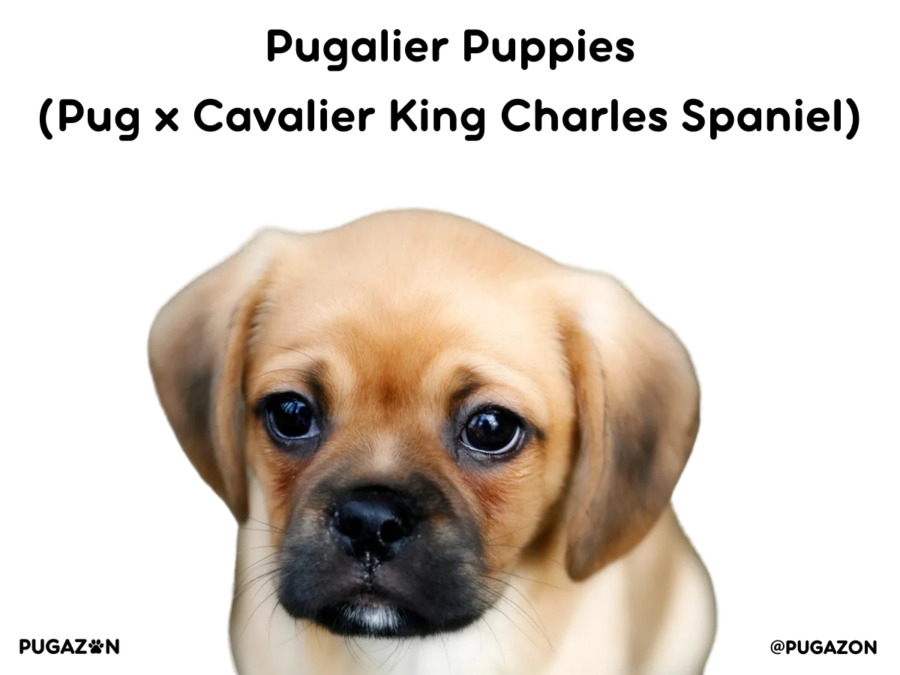
A Pugalier puppy might be small in size, but the financial commitment is big—especially in the first year. Budgeting ahead ensures you can give your puppy the care they deserve without unexpected stress.
One-Time Costs
- Purchase price: $1,000–$2,500 from an ethical breeder; adoption often less.
- Starter supplies: Crate, bed, bowls, harness, leash, toys ($200–$500).
- Initial vet bills: Vaccinations, microchip, deworming ($200–$400).
Monthly Expenses
- Food: $40–$80 for quality small-breed puppy food.
- Vet preventatives: Flea, tick, heartworm (~$30–$60/month).
- Insurance: $25–$50/month for accident and illness cover.
- Training classes: $100–$300 per course (worth the investment).
- Grooming: DIY is cheap; professional trims cost $30–$60 per session.
Expense Type | Average Year 1 Cost |
Puppy purchase/adoption | $1,000–$2,500 |
Supplies | $300–$500 |
Veterinary care | $600–$900 |
Food & treats | $500–$900 |
Training | $100–$300 |
Insurance | $300–$600 |
Avoid online ads for “rare-colored Pugaliers” or suspiciously cheap listings—these are often linked to puppy mills or unethical practices. Always use Pugs for Sale for safe, verified sources.
Finding Ethical Pugalier Puppy Sources
Designer mixes like Pugaliers are often targeted by unscrupulous breeders, making it essential to vet your source carefully.
Reputable Breeders Will:
- Provide health clearances for both parent breeds (eyes, heart, patella, brachycephalic checks).
- Raise puppies in-home with plenty of human interaction.
- Allow in-person or video visits to meet parents and litter.
- Share vaccination records and microchip details upfront.
- Offer a written contract with return policy.
Red Flags to Avoid:
- Multiple litters and breeds sold online, always “ready now.”
- No proof of health testing or breeder refuses questions.
- Won’t let you see where puppies are raised.
- Inflated prices for “rare or exotic” colors without health guarantees.
Adoption is another wonderful option. Many rescues have Pug mixes, including Pugaliers, waiting for forever homes. Foster notes can help you choose the right match.
🔗 For a step-by-step guide to evaluating breeders, see our Pug Breeders guide.
Are Pugalier Puppies Right for You?
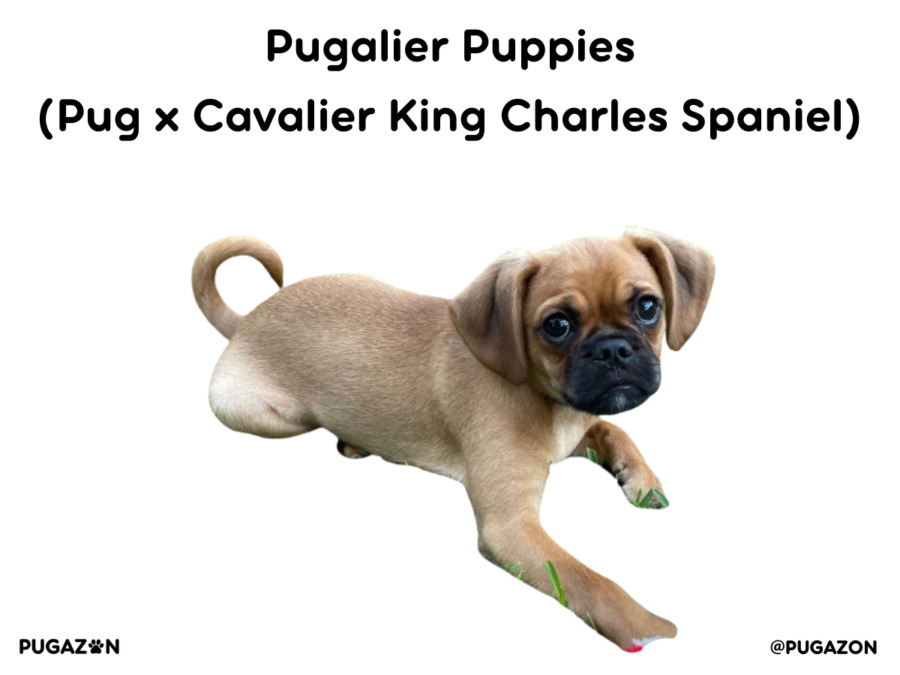
Choosing a puppy is a decision that can change your life for over a decade, so it’s worth asking: is a Pugalier puppy the perfect fit for you?
Why Families Love Pugaliers
- Sweet, affectionate nature: Always ready for cuddles and companionship.
- Compact size: Ideal for apartments or homes with limited space.
- Easygoing temperament: Cavaliers mellow out the Pug’s occasional stubborn streak.
- Great with kids: Friendly and tolerant when introduced properly.
- Low exercise demands: Short walks and indoor play usually keep them happy.
Potential Challenges
- Attachment issues: Pugaliers can become very dependent on their humans.
- Weight management: Prone to overeating, so portion control is key.
- Health considerations: Eye care, mild breathing issues, and possible heart checks.
- Grooming commitment: Regular brushing, ear cleaning, and wrinkle wipes if inherited from the Pug side.
If you’re looking for a devoted, gentle, easy-to-love dog who thrives on being part of the family, a Pugalier puppy is hard to beat. If your schedule involves long hours away or you prefer an independent dog, this might not be the right mix. Explore our Pug Breeds Guide to compare other options.
🔗 Browse trusted info on our Pugs for Sale page to start your search safely.
FAQs About Pugalier Puppies
Expect to pay $1,000–$2,500 for Pugalier puppies from an ethical breeder. Prices vary based on location, lineage, and health testing provided. Avoid online listings for “rare” colors or unusually low prices—these often indicate puppy mills. Always ask for proof of parent health checks and meet the breeder (virtually or in person) before committing. For safe listings, visit Pugs for Sale and read our Pug Breeders guide for questions to ask before buying.
Most Pugalier puppies grow to 10–20 lbs (4.5–9 kg) and stand 10–14 inches tall. Genetics from each parent play a big role—some pups lean more toward the Pug’s compact build, others take after the Cavalier’s slightly taller frame. Balanced feeding and regular exercise help maintain a healthy weight throughout growth.
Yes, Pugaliers are known for their gentle, affectionate temperament, making them excellent companions for families with children. They also do well with other dogs and pets if introduced early. Teach children how to interact safely with small dogs to prevent accidental injury. See our Pugalier breed page for more on adult personality traits.
Pugaliers are low to moderate energy dogs. A few short walks (10–20 minutes) and some indoor playtime each day are usually enough. They love puzzle toys and light fetch games but tire easily in hot weather due to Pug ancestry. Mental stimulation is as important as physical activity for these clever pups.
Shedding levels vary depending on coat type. Short-coated Pugaliers shed lightly year-round, while longer-coated pups shed seasonally. Weekly brushing minimizes loose fur and keeps coats healthy. A high-quality diet also reduces excess shedding. Browse Pug Grooming Products for recommended brushes and coat-care essentials.
Yes, most Pugaliers are eager-to-please and responsive to positive reinforcement. Short, fun training sessions work best, as attention spans can be brief. Gentle consistency builds good habits without overwhelming your pup. Start with basic cues like “sit,” “come,” and leash manners. Visit Pug Training Products for recommended tools.
Potential issues include eye injuries, mild breathing problems, patella luxation, and heart conditions inherited from the Cavalier line. Choose a breeder who tests parents for these conditions. Regular vet checks and maintaining a healthy weight can prevent many future problems. Read Pug Health Care – Common Issues & Preventative Tips for more guidance.
Consistency is key. Take your pup outside every 2–3 hours, after meals, naps, and play sessions. Reward immediately after they finish outdoors. Use crate training to speed up learning and prevent overnight accidents. Expect a few mishaps—it’s part of the process.
Most switch around 10–12 months, once they reach adult size. Transition slowly over a week to avoid digestive upset. Use small-breed adult formulas to keep calories in check and avoid future weight issues.
Start with Pug Breeders for a list of essential questions and red flags. Ethical breeders are transparent, provide health certificates, and let you meet the parents. Many rescues also have Pug mixes, including Pugaliers, needing loving homes. Check Pugs for Sale for verified listings.