Last updated on January 21st, 2026
- Introduction
- What Is a Pugador Puppy? (Overview & Key Traits)
- Quick Facts About Pugador Puppies
- Growth & Weight Milestones (0–12 Months)
- Vet Care, Vaccinations & Preventatives
- Feeding Your Pugador Puppy
- Sleep, Toilet Training & Daily Routine
- Socialization & Early Training Foundations
- Grooming & Hygiene for Pugador Puppies
- Real Costs of Owning a Pugador Puppy
- Finding Ethical Pugador Puppy Sources
- Are Pugador Puppies Right for You?
- FAQs About Pugador Puppies
- How much do Pugador puppies cost?
- How big will my Pugador puppy get?
- Are Pugador puppies good with children and other pets?
- How much exercise does a Pugador puppy need?
- Do Pugador puppies shed?
- Are Pugador puppies easy to train?
- What health issues are common in Pugador puppies?
- How do I toilet train a Pugador puppy?
- When should I switch a Pugador puppy to adult food?
- Where can I find reputable breeders or rescues for Pugador puppies?
Introduction
There’s something irresistible about Pugador puppies—a perfect blend of the Pug’s cuddly, goofy nature and the Labrador Retriever’s energy and smarts. These pups are affectionate, intelligent, and full of personality, making them ideal for families or active singles looking for a loyal, trainable companion.
But raising a Pugador puppy isn’t just about snuggles and fetch games. It means understanding their unique growth patterns, health needs, feeding schedules, temperament, training essentials, and—perhaps most importantly—how to choose an ethical breeder or adoption source.
In this guide, we’ll walk you through every stage of your Pugador puppy’s first year, giving you the tools to raise a happy, healthy, and well-mannered pup. We’ll also provide direct links to trusted resources for further guidance:
- Pugs for Sale – Verified listings for Pugador puppies near you.
- Pug Breeders – How to find responsible breeders and avoid scams.
- Pug Health Care – Common Issues & Preventative Tips – Long-term care guide for your pup.
What Is a Pugador Puppy? (Overview & Key Traits)
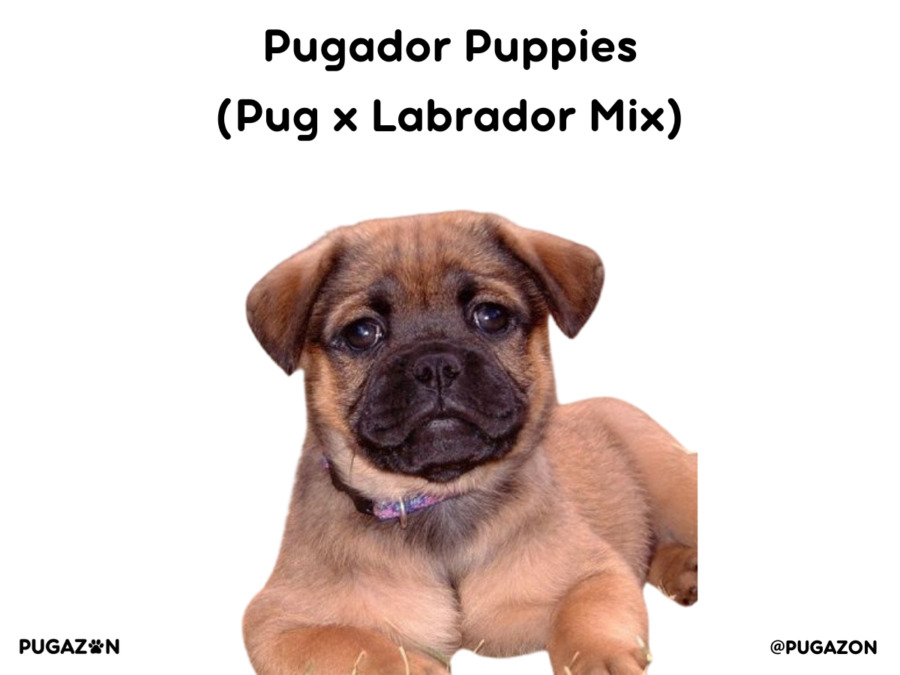
A Pugador puppy is a designer hybrid created by crossing a Pug, known for its affectionate and sometimes mischievous charm, with a Labrador Retriever, a breed loved worldwide for its intelligence, loyalty, and friendly disposition. This pairing results in a medium-sized, people-loving puppy that thrives on companionship, learns quickly, and adapts well to family life.
What Makes Pugador Puppies Unique?
- Affectionate nature: A “shadow dog” that wants to be part of everything you do.
- Trainable and clever: Labrador genes make learning cues fast and fun.
- Compact yet sturdy: Smaller than a Lab but larger than a Pug—a great middle ground for many homes.
- Friendly with all: Gets along well with children, guests, and other pets when socialized early.
- Variable looks: Some pups lean more toward the Pug’s rounded face, others toward the Lab’s sleek muzzle.
Pugador puppies aren’t just a compromise between two breeds; they’re a unique blend of joy and companionship. Expect laughter, play, loyalty, and a pup who thrives best with structure, positive training, and plenty of love.
🔗 Related reading: Learn about adult temperament, exercise needs, and long-term care on our Pugador Breed page.
Quick Facts About Pugador Puppies
Before you dive in, here’s a fast-reference chart to help you picture life with a Pugador puppy:
Trait | Details |
Parent Breeds | Pug × Labrador Retriever |
Average Adult Size | 20–40 lbs (9–18 kg); 12–18 inches tall |
Energy Level | Moderate to high—daily walks and playtime needed |
Temperament | Loving, social, eager to please, playful |
Lifespan | 10–14 years |
Shedding | Low to moderate; more seasonal if coat is Lab-like |
Grooming Needs | Weekly brushing, nail trims, occasional baths, ear cleaning |
Intelligence & Training | Quick learner but can be a “class clown”—patience and consistency needed |
Ideal Living Situation | Family homes, apartments with regular exercise, dog-friendly neighbors |
Common Health Watch-Outs | Hip dysplasia, weight management, brachycephalic sensitivity, eye care |
Pugador puppies are versatile companions. Whether you live in a city apartment or a suburban house, their adaptable nature means they’ll settle in happily as long as they’re part of your daily routine
Growth & Weight Milestones (0–12 Months)
Every Pugador puppy grows at a slightly different pace, influenced by which parent’s genes are stronger. Some pups may remain closer to Pug size, while others take on more Labrador proportions. Tracking their weight and milestones helps ensure steady, healthy development without excess pounds or strain on young joints.
Age | Average Weight | What to Expect |
8 weeks | 6–12 lbs | Settling into new home, learning basic routines, sleeping often |
3–4 months | 15–25 lbs | Teething, early socialization, bursts of zoomies mixed with long naps |
5–6 months | 20–35 lbs | Adolescent energy, testing boundaries, growing appetite |
7–12 months | 25–40 lbs | Nearing adult size, building stamina, switching to adult food gradually |
Tips for Healthy Growth
- Weigh weekly during early months to ensure steady gain.
- Keep your pup lean: a visible waist and easy-to-feel ribs are ideal.
- Avoid forced running or jumping on hard surfaces until growth plates close (12–15 months).
🔗 Check our Pug Health Care page for advice on joint and weight management.
Vet Care, Vaccinations & Preventatives
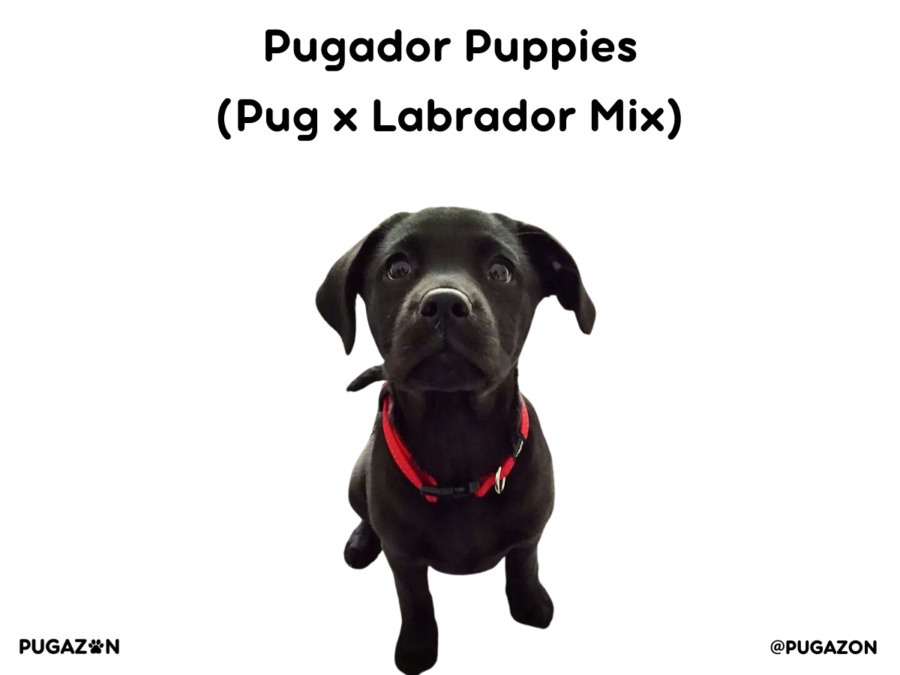
Your Pugador puppy’s first-year vet care plan sets the tone for lifelong health. Follow this timeline with adjustments based on your vet’s recommendations:
Age | Vet Care |
8–10 weeks | First DHPP vaccine, deworming, microchip, initial health check |
12–16 weeks | Booster shots, rabies vaccination, flea/tick/heartworm prevention plan |
5–6 months | Spay/neuter discussion, joint screening (especially hips/elbows) |
6–12 months | Annual exam, weight and dental check, repeat parasite preventatives |
Common Health Concerns
- Airway comfort: Shorter muzzles may cause snoring or mild breathing issues.
- Hip dysplasia: Common in Labradors; ensure breeder health-tests parents.
- Eye injuries: Pugs’ large eyes can be prone to scratches; watch during play.
- Weight management: Labs and Pugs are both “foodies,” so portion control is critical.
Keep a puppy health folder with vaccination records, microchip details, and vet recommendations—it’ll save time in emergencies and help your vet tailor care as your pup grows
Feeding Your Pugador Puppy
Feeding is more than filling a bowl—it’s shaping healthy growth, preventing joint issues, and avoiding lifelong weight struggles.
Feeding Schedule
- 8–12 Weeks: 3–4 small meals/day.
- 3–6 Months: 3 meals/day; keep treats to ≤10% of calories.
- 6–12 Months: 2 balanced meals/day; transition to adult food around 12 months.
Diet Recommendations
- Choose a medium-breed puppy formula with high-quality proteins.
- Look for controlled calcium and phosphorus levels to support joint development.
- Add omega-3 fatty acids for coat shine and brain health.
- Avoid free-feeding or high-fat table scraps—Pugadors gain weight fast.
Sample Daily Feeding Table
Age | Meals/Day | Daily Amount (Guide) |
8–12 wks | 4 | Split manufacturer’s guideline evenly |
4–6 mths | 3 | Adjust by 5–10% monthly as pup grows |
6–12 mths | 2 | Maintain lean condition; ribs should be easy to feel |
Monitor your pup’s condition weekly. If they’re rounding out like a barrel, cut treats first, then reduce meal size slightly. A healthy Pugador puppy should have energy to play, a visible waist, and no heavy panting after short walks

Last update on 2025-02-12 / * Affiliate links / Image source: Amazon Product Advertising API
Sleep, Toilet Training & Daily Routine
Pugador puppies thrive on consistency and structure. A predictable routine builds good habits and helps prevent behavior issues later on.
Sleep Needs
- 14–18 hours/day, including frequent naps.
- Use a crate or puppy pen to give your pup a safe, cozy den for rest.
- Avoid overstimulation—short play bursts are better than long, chaotic sessions.
Toilet Training
- Take your pup out after waking, meals, and play sessions.
- Use one outdoor spot and praise immediately after they finish.
- Night accidents are normal at first—set alarms every 3–4 hours initially.
Sample Daily Routine
- Morning: Toilet → breakfast → short walk → nap.
- Midday: Toilet → playtime → basic training game → nap.
- Evening: Dinner → enrichment activity (stuffed Kong, sniffing game) → calm cuddle before bed.
🔗 Predictability helps Pugador puppies feel secure and learn faster. Visit our Pug Training Products for tools to make toilet training and alone-time practice easier.
Socialization & Early Training Foundations
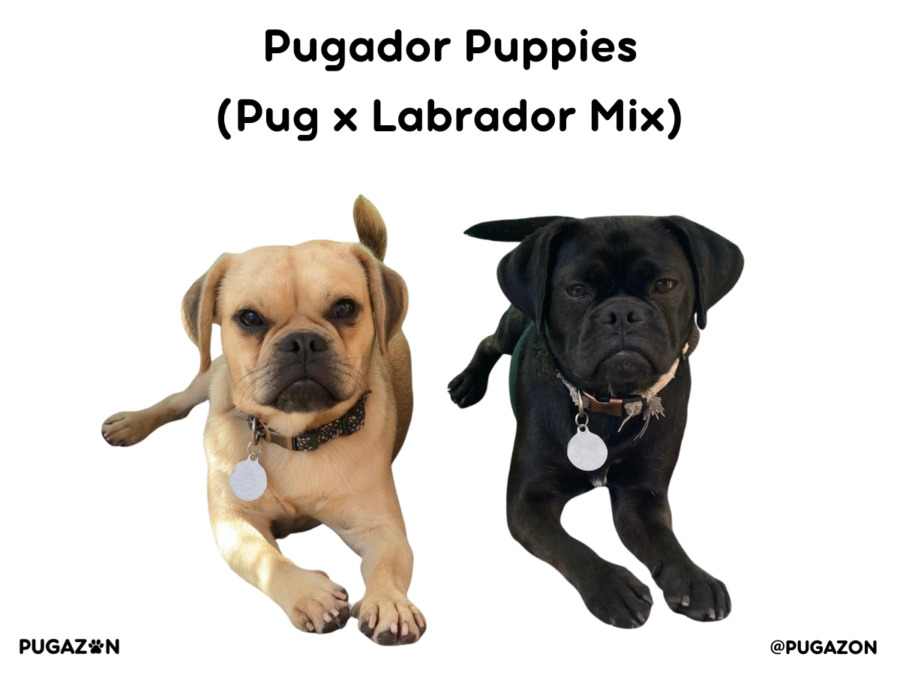
A well-socialized, well-mannered Pugador puppy doesn’t happen by accident—it happens by design. These pups inherit the Pug’s people-loving nature and the Labrador’s willingness to learn, making them ideal students if you set the stage early.
The Critical Socialization Window (8–16 Weeks)
This is when your puppy’s brain is a sponge. Everything they encounter now—noises, people, surfaces, new places—becomes a “safe and normal” file for later life. Miss it, and unfamiliar things can spark fear or reactivity.
Goal | Example Activities |
People variety | Meet kids, adults with hats, sunglasses, wheelchairs. |
Environment exposure | Walk near quiet streets, bus stops, friendly cafés, parks. |
Different sounds | Vacuum running, car doors slamming, music playing softly. |
Other dogs & pets | Playdates with calm, vaccinated dogs; watch cats or rabbits calmly. |
Pair each exposure with tiny treats and praise, keeping sessions short and positive. The aim is confidence, not overwhelm.
Early Training Games That Work
Pugador puppies are clever, eager, and food-driven, but like all pups, they have short attention spans. Sprinkle in 3–5 minute “learning snacks” through the day:
- Name game: Say their name once → reward for eye contact.
- Sit before doors: Teach patience before freedom.
- Come for a party: Run backward clapping, reward when they bolt to you.
- Loose-leash walking: Start indoors; reward every slack-leash step.
- Mat settle: A cue to relax helps during mealtimes or guests visiting.
Consistency beats length here. Ending sessions while your puppy’s tail is wagging keeps training fun and fast.
🐾 Next step: Explore puppy clickers, long lines, and high-value treats on our Pug Training Products page.
Grooming & Hygiene for Pugador Puppies
Grooming isn’t just about a shiny coat—it’s about building trust and preventing future health issues. Pugadors typically have short, dense coats that are easy to manage, but a few routines are non-negotiable.
Coat Care
- Brush once or twice a week to reduce shedding and keep skin healthy.
- Use a rubber curry brush for Lab-like fur, or a soft bristle brush for fine, Pug-like coats.
- Expect seasonal shedding bursts in spring and fall—daily brushing helps.
Bathing
- Every 4–6 weeks, or sooner if muddy adventures demand it.
- Choose a gentle puppy shampoo and rinse thoroughly to avoid irritation.
- Dry completely to keep skin healthy, especially in folds or under the ears.
Face & Wrinkle Cleaning
Some Pugadors inherit faint face wrinkles. A quick wipe-and-dry once a day avoids bacterial buildup and odors.
Ears, Eyes, Nails & Teeth
- Ears: Weekly check for redness or odor; clean with vet-approved solution.
- Eyes: Rinse gently if debris is present; call vet for discharge or squinting.
- Nails: Trim every 2–3 weeks or use a grinder for safety.
- Teeth: Brush daily or use dental chews for long-term oral health.
Grooming Task | Frequency |
Brushing | 1–2x/week |
Bathing | 4–6 weeks |
Wrinkle wiping | Daily if needed |
Nail trims | 2–3 weeks |
Ear cleaning | Weekly |
Tooth brushing | Daily |
Make grooming a bonding time: handle paws, ears, and mouth gently while rewarding calmness. Your Pugador puppywill learn that being fussed over is just another game with snacks.
🐾 Next step: Explore puppy clickers, long lines, and high-value treats on our Pug Training Products page.
Real Costs of Owning a Pugador Puppy
Bringing a puppy home is a joyful commitment, but the first-year costs are often underestimated. Planning ahead ensures your Pugador puppy gets the best start without financial stress later.
Initial Setup Costs
- Puppy price: $800–$2,000 from a reputable breeder; adoption fees typically lower.
- Essentials: Crate, bed, bowls, harness, leash, ID tag, toys – $200–$500.
- Vet care: Initial exams, vaccinations, microchip – $200–$400.
Ongoing Monthly Expenses
- Quality food: $50–$90/month.
- Vet care & preventatives: $40–$70/month (averaged yearly).
- Training classes: $100–$300/course but worth every penny for manners.
- Grooming: DIY costs minimal; pro services $30–$60/session.
- Insurance: $30–$60/month for accident and illness cover.
Unexpected Costs
- Emergency vet visits (budget $500–$1,000+).
- Replacing chewed-up shoes or furniture (consider puppy-proofing early).
- Travel gear or boarding if you go away.
Expense Category | Average Year 1 Cost |
Purchase/Adoption | $800–$2,000 |
Supplies | $300–$600 |
Veterinary Care | $600–$1,000 |
Food | $600–$1,100 |
Training Classes | $100–$300 |
Insurance | $360–$720 |
Miscellaneous | $200+ |
Avoid “rare-colored Pugador puppies” sold online with no health guarantees or low prices that seem too good to be true. Ethical breeders will explain their pricing clearly and show health tests.
🔗 Find safe listings: Start your search on our Pugs for Sale page, where sources are verified, and review our full checklist on Pug Breeders.
Finding Ethical Pugador Puppy Sources
Sadly, designer mixes like Pugadors are a hot target for puppy mills and backyard breeders. Protect yourself and your future pup by knowing what to look for.
Signs of a Good Breeder or Rescue
- Raises puppies in-home, not in stacked cages.
- Provides health clearances for both parents (hips, elbows, eyes, respiratory).
- Shares vaccination records and microchip details before sale.
- Lets you meet parents or see their living environment via video or in person.
- Offers a written contract with return policy and lifetime support.
Red Flags
- Won’t allow visits or video calls.
- Multiple litters or many breeds for sale year-round.
- Pushes quick deposits or ships puppies sight unseen.
- Claims “rare, teacup, or mini Pugador” without evidence of healthy breeding.
Adoption is another wonderful option—many rescues have Pug mixes, including Pugadors, looking for loving homes. Ask about foster notes to understand temperament before committing.
🔗 Learn how to screen breeders step-by-step on our Pug Breeders page. When you’re ready to explore listings, stick with trusted sources on Pugs for Sale to avoid heartbreak and support ethical practices.
Are Pugador Puppies Right for You?
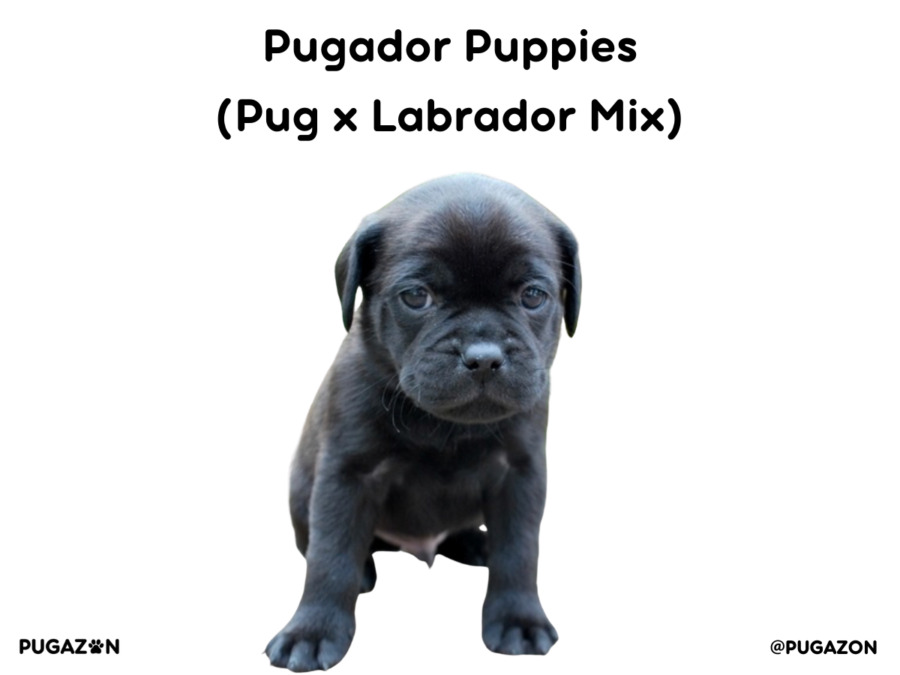
Choosing a puppy isn’t just about falling for the first adorable face you see online. Pugador puppies are charming, social, and intelligent—but they do have needs that don’t suit every household.
Why Families Love Pugadors
- Affection overload: Expect cuddles, companionship, and a “shadow dog” who follows you everywhere.
- Trainable and clever: They pick up commands fast, especially with food rewards.
- Adaptable size: Larger than a Pug but smaller than a Labrador, they fit in many home types.
- Good with kids and pets: Properly socialized Pugadors are gentle, tolerant, and friendly.
Potential Challenges
- High energy early on: Daily exercise and mental stimulation are musts.
- Food obsession: Both parent breeds are prone to weight gain—portion control is non-negotiable.
- Possible health watch-outs: Hip dysplasia (from Lab side) and breathing sensitivity (from Pug side).
- Attachment: May develop separation anxiety without gradual alone-time training.
If you have time to train, provide daily exercise, and want a people-focused, loyal dog, a Pugador puppy can be a dream addition. But if long hours alone, minimal walks, or low tolerance for shedding and puppy chaos describe your routine, consider waiting or looking at other breeds in our Pug Breeds Guide.
FAQs About Pugador Puppies
From ethical breeders, Pugador puppies typically range $800–$2,000, depending on location, lineage, and health testing. Beware prices that seem too low or inflated claims of “rare colors.” Always ask for parent health clearances and meet the breeder in person or virtually. For safe, verified listings, visit Pugs for Sale and see our Pug Breeders guide before making a commitment.
Most Pug Lab mix puppies mature between 20–40 lbs, standing 12–18 inches tall. Puppies leaning toward the Lab side may be taller and heavier, while Pug-dominant pups remain closer to the smaller end of the range. Proper diet and controlled exercise help keep weight healthy, especially as both parent breeds love food.
Yes. Pugadors are friendly, tolerant, and affectionate, making them excellent family dogs. Socialize early to ensure confidence around different people and animals. Teach children gentle handling rules and supervise play until your puppy learns boundaries. See Pugador breed page for adult temperament info.
Plan for 3–4 short walks daily and plenty of indoor play or enrichment games. Avoid long runs or heavy jumping until growth plates close (~12 months). A mix of mental and physical activity keeps your Pugador puppy calm and happy. See our Pug Training Products page for enrichment ideas.
Shedding levels vary, but most have a short, dense coat that sheds moderately, with seasonal increases in spring and fall. A weekly brush and occasional bath (see Pug Grooming Products) keep hair under control.
Yes—this mix combines Labrador smarts and Pug eagerness. Short, fun sessions work best, using positive reinforcementand consistent cues. Pugadors may test boundaries during adolescence but respond well to patience and clear rules.
Potential concerns include hip dysplasia, weight gain, brachycephalic breathing sensitivity, and occasional eye problems. Choosing a breeder who health tests parents reduces risk. Keep your pup lean, avoid overexertion in heat, and schedule annual vet checks. See Pug Health Care – Common Issues & Preventative Tips.
Take your puppy out after waking, eating, playing, and before bed. Use one spot and reward immediately after they finish. Crate training helps build good habits. Consistency is key; accidents are normal during the first few weeks.
Most Pugadors switch to adult food between 10–12 months, depending on growth and vet advice. Transition gradually over 7–10 days to avoid stomach upset. Stick to high-quality, portioned meals to prevent weight gain.
Start with our Pug Breeders page for a checklist of questions and red flags. Ethical breeders allow visits, provide health records, and offer a return policy. Many rescues also have Pug mixes, including Pugadors, needing loving homes. Browse safe listings on Pugs for Sale.