Last updated on February 19th, 2026
- Introduction
- What Is a Pom-A-Pug?
- History & Origins
- Physical Traits – Size, Build & Coat
- Temperament & Behavior
- Health, Risks & Longevity
- Care, Diet & Grooming for a Pug and Pomeranian Mix
- Training & Exercise
- Ethical Buying & Adoption
- Thinking About Getting a Pug and Pomeranian Puppy?
- FAQs About Pom-A-Pug (Pomeranian Pug Mix)
- What is a Pom A Pug?
- How big does a Pom-A-Pug get?
- Do Pom-A-Pugs shed?
- How long do Pom-A-Pugs live?
- Are they good with children?
- What health problems do Pom-A-Pugs face?
- Are Pom-A-Pugs hypoallergenic?
- Are Pom-A-Pugs easy to train?
- How much exercise do they need?
- Do Pom-A-Pugs bark a lot?
- Can Pom-A-Pugs live with other pets?
- What should I feed a Pom-A-Pug?
- Where can I find Pom-A-Pug puppies for sale?
- What grooming do they need?
- Are Pom-A-Pugs good apartment dogs?
- Can they be left alone?
- Do Pom-A-Pugs need professional grooming?
- What’s the best age to spay or neuter a Pom-A-Pug?
Introduction
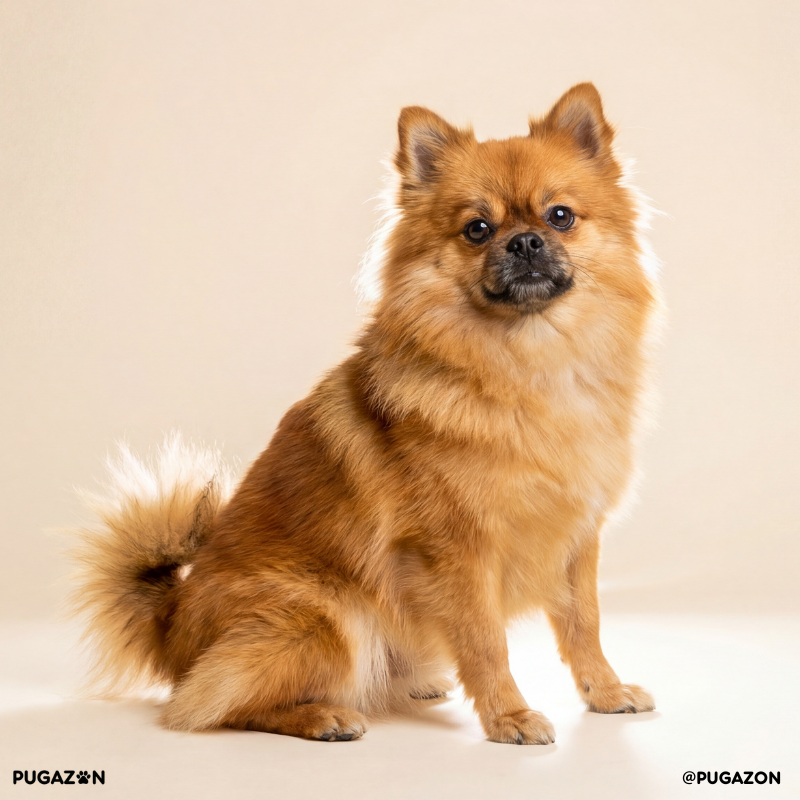
The Pom-A-Pug, a crossbreed between a pug and a Pomeranian, has become one of the most charming and affectionate small dog mixes around. With their alert, foxy faces, fluffy coats, and comical personalities, Pom-A-Pugs combine the best of both worlds: the pug’s loyal, entertaining nature and the Pomeranian’s spirited, intelligent demeanor.
Compact yet lively, Pom-A-Pugs usually weigh between 7–15 pounds, making them ideal for apartments or small homes. They bond deeply with their families, thrive on attention, and delight in being the center of household activity. However, their size doesn’t mean they’re “low effort”—these little dynamos require regular exercise, consistent training, and a health-conscious diet to live long, happy lives.
Because Pom-A-Pugs are designer hybrids, there’s no universal breed standard. Puppies can inherit physical traits and personalities from either parent, sometimes even within the same litter. This variation is part of their charm but also means prospective owners must research breeders or adoption sources carefully, ensuring their new companion is healthy and well socialized.
In this guide, we’ll explore everything you need to know about the Pom-A-Pug: history, appearance, temperament, potential health risks, care tips, and where to find ethical adoption or purchase options. For further resources on buying or adopting pug mixes responsibly, see Pugs for Sale, where you’ll find expert guidance, breeder checks, and rescue listings
What Is a Pom-A-Pug?
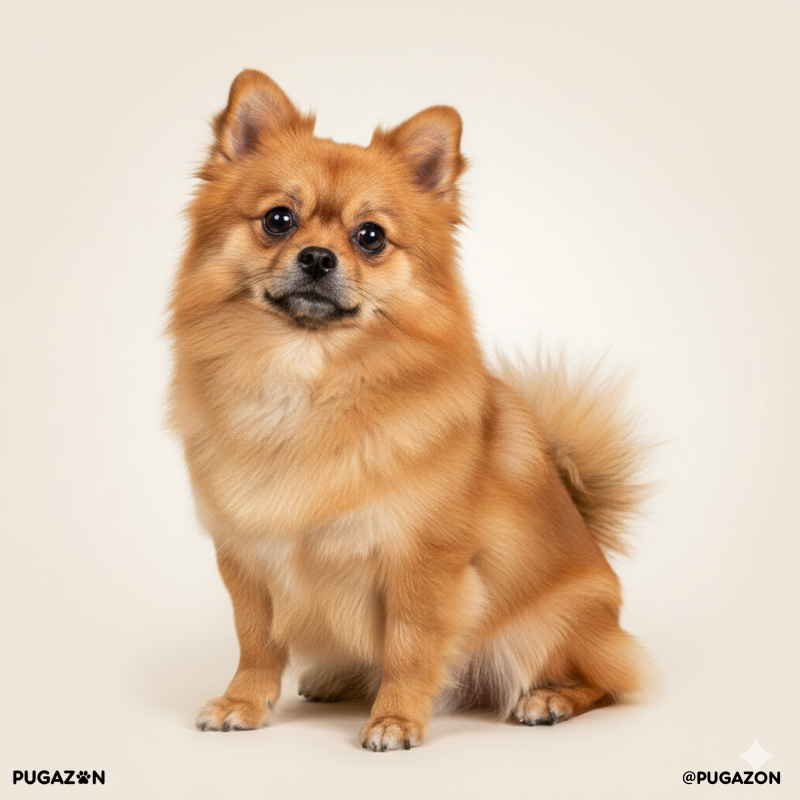
A Pom-A-Pug is a hybrid mix between a purebred Pomeranian and a purebred pug, designed to create a small, loving, and lively companion dog. Typically weighing less than 15 pounds, this crossbreed inherits the pug’s people-oriented, comedic charm and the Pomeranian’s confidence, intelligence, and fluffy coat.
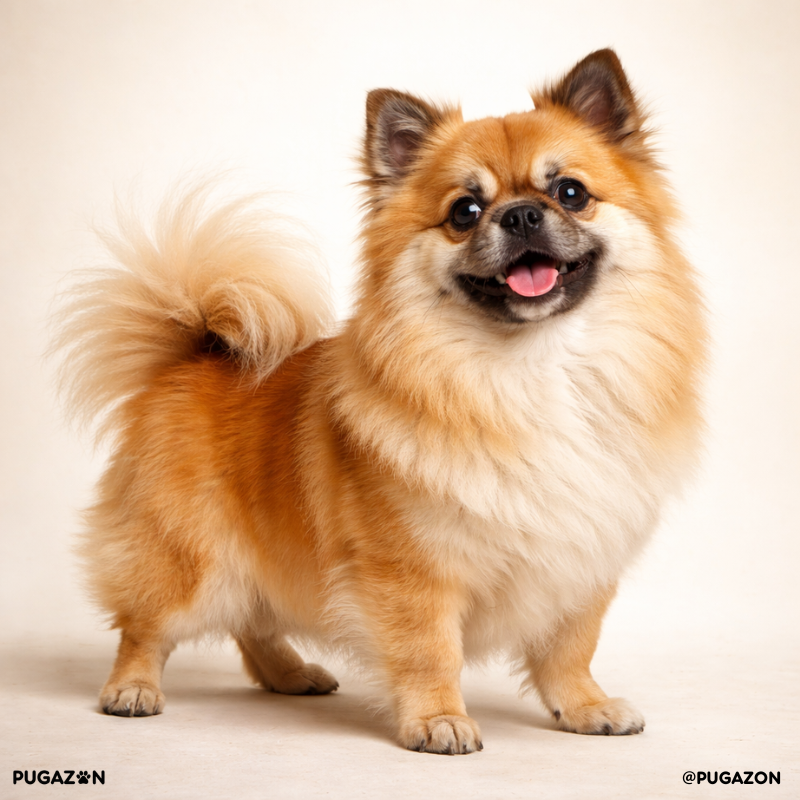
Because it’s a mixed breed, appearances vary widely. Some Pom A Pugs resemble small pugs with longer coats and a plumed tail, while others look like Pomeranians with a slightly flatter face and curled tail. Personality differences are just as varied: some are mellow lapdogs; others are energetic, toy-loving adventurers.
Pom A Pugs are a popular choice for:
- Singles or couples seeking a small, social companion.
- Families with older children who can handle a small, delicate dog responsibly.
- First-time dog owners looking for a breed that’s affectionate, trainable, and adaptable to smaller living spaces.
History & Origins
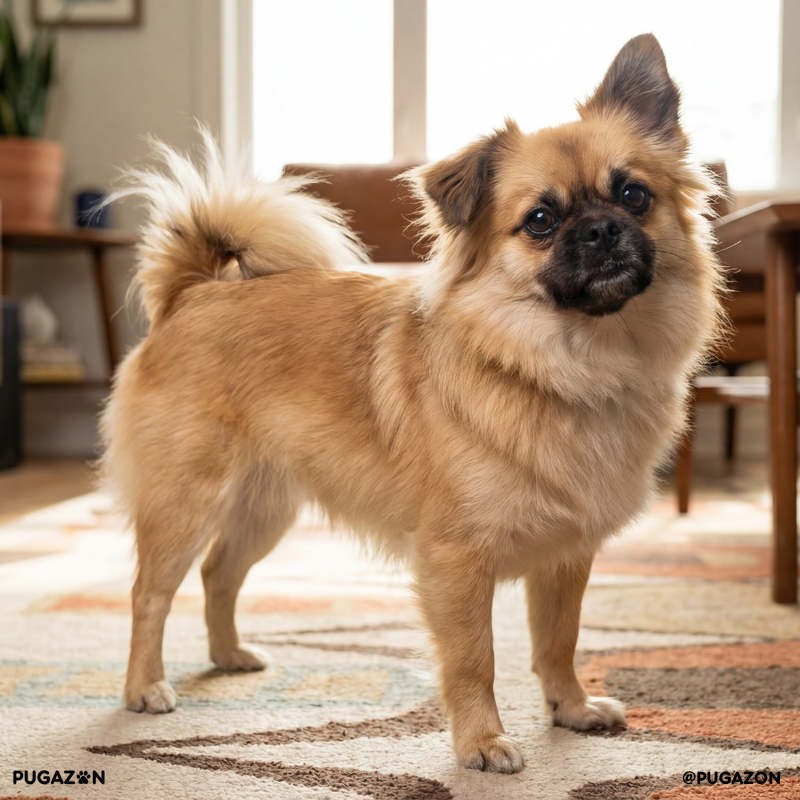
While pugs and Pomeranians have long, distinct histories, the Pom-A-Pug is a relatively new hybrid, likely first developed in the late 20th or early 21st century as part of the designer dog trend.
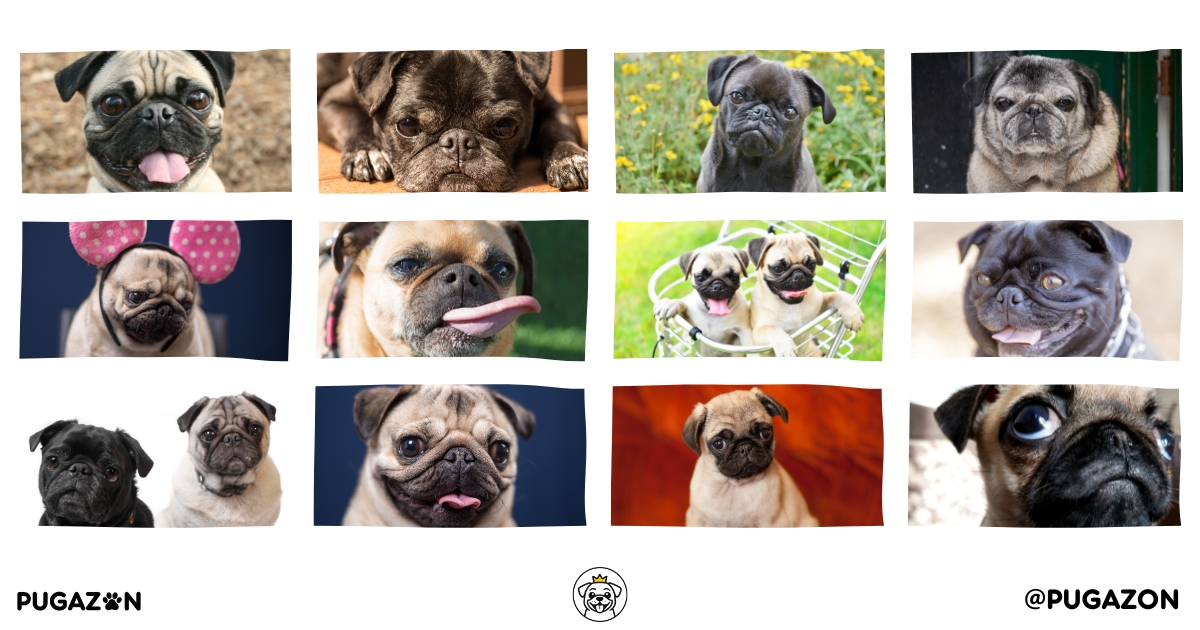
- Pug Origins: Dating back over 2,000 years, pugs were bred for Chinese emperors before spreading to European aristocracy. Loved for their sturdy build, distinctive flat faces, and loyal, comedic nature, pugs remain one of the most popular toy breeds worldwide.
- Pomeranian Origins: Descended from large sled dogs of the Arctic Spitz family, Pomeranians were bred down in size in Germany and Poland. They gained royal favor in England, especially under Queen Victoria, and became renowned for their fluffy coats, alert personalities, and bold confidence.
The goal of crossing these breeds is to blend the pug’s affectionate, people-loving temperament with the Pomeranian’s intelligence and spirited energy, producing a small but lively companion that fits modern lifestyles.
Physical Traits – Size, Build & Coat
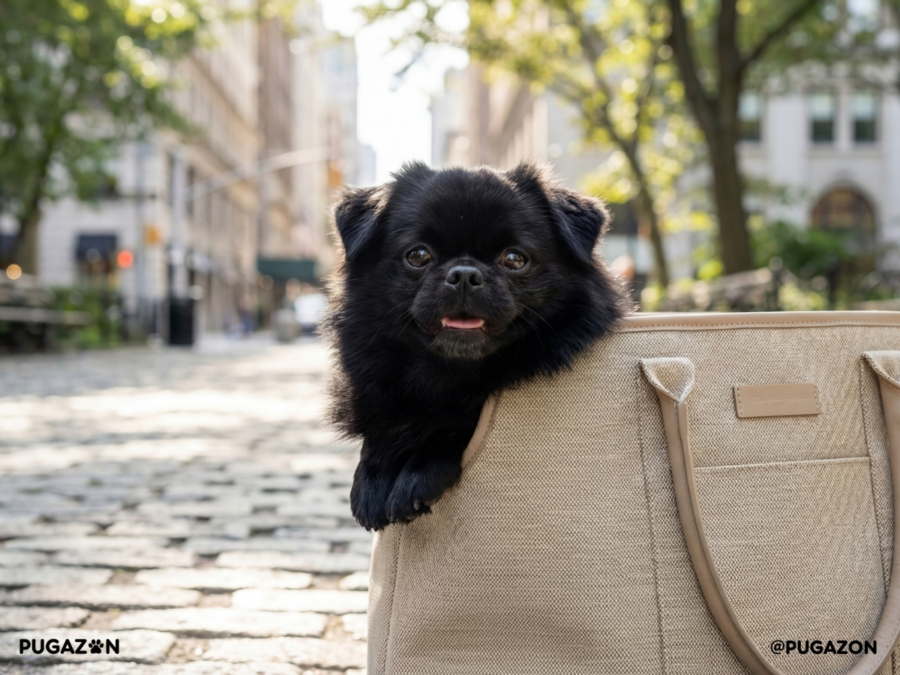
Pom A Pugs are unpredictable in appearance because they inherit features from both parents. Nonetheless, some common characteristics include:
Size
- Height: 8–12 inches at the shoulder
- Weight: 7–15 pounds (smaller than many other pug mixes)
- Lightweight, portable, and suitable for apartments but still sturdy enough for play.
Build
- Compact, muscular frame (pug influence) combined with lighter bone structure (Pomeranian).
- Tail usually curled or plumed, carried high over the back.
- Short to medium-length muzzle; some puppies have flatter faces, others a longer snout.
Coat
- Texture: Soft and fluffy, often thicker than a pug’s coat but less dense than a pure Pomeranian’s.
- Colors: Wide variety, including fawn, black, cream, orange, sable, or mixed patterns.
- Shedding: Moderate to high; weekly brushing is essential to control loose hair.
- Grooming needs depend on coat length—longer coats require more maintenance.
Facial Features
- Eyes: Large, round, and expressive, often dark brown.
- Ears: May be upright like a Pomeranian’s or folded like a pug’s.
- Nose: Black and slightly flattened, but less extreme than a pure pug in many cases.
Because no two Pom A Pugs are alike, prospective owners should expect variation in looks and grooming requirements even within the same litter
Temperament & Behavior
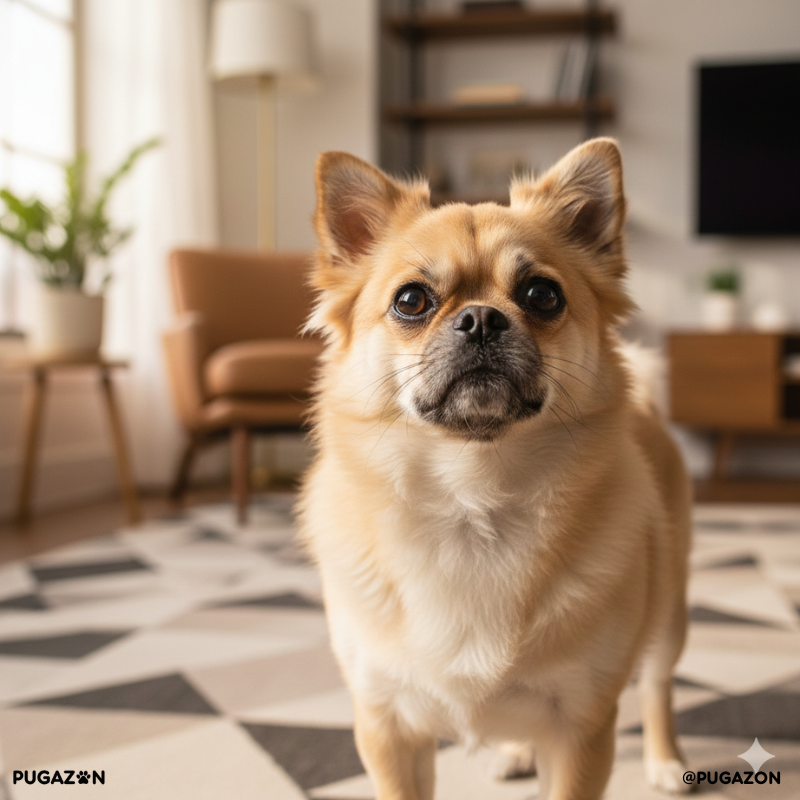
The Pom-A-Pug’s personality is one of its greatest appeals. Most inherit a blend of:
- The pug’s devoted, affectionate, sometimes clownish nature.
- The Pomeranian’s alertness, intelligence, and confidence.
Key Traits
- Affectionate: Loves to be close to family members, often a lapdog by choice.
- Social: Usually friendly with strangers and other pets when properly socialized.
- Playful: Enjoys toys, fetch games, and interactive puzzles.
- Alert watchdog: Despite their size, Pom-A-Pugs bark to announce visitors or unusual noises.
- Eager to learn: Intelligent, curious, and responsive to reward-based training.
Potential Challenges
- Separation anxiety: This mix thrives on human companionship; leaving them alone for long periods can lead to destructive behaviors.
- Stubbornness: They may inherit some independent streak from the Pomeranian side.
- Fragility: Small size makes them less suited for households with rough play or very young children.
With consistent socialization and positive training, Pom A Pugs become loyal, adaptable companions who shine in city apartments or suburban homes alike
Health, Risks & Longevity
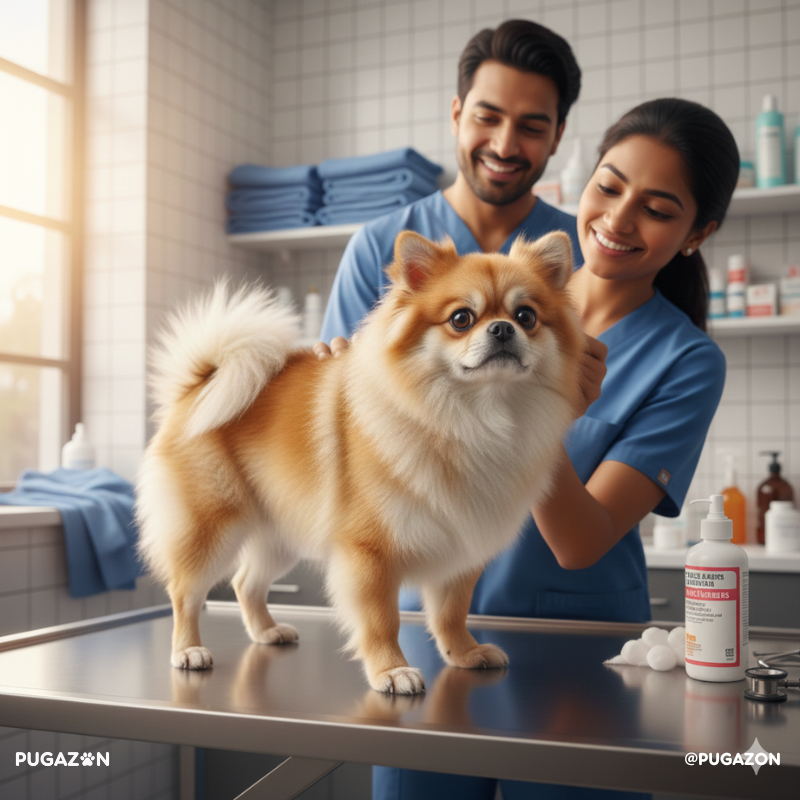
As with all hybrid breeds, health outcomes depend on genetics, environment, and breeder practices. While Pom-A-Pugs may benefit from hybrid vigor, they can still inherit issues from both parent breeds.
Potential Health Problems
- Brachycephalic airway issues: If the pug’s flat face dominates, breathing problems may occur, especially in hot weather.
- Dental issues: Small mouths can lead to overcrowded or misaligned teeth.
- Eye conditions: Large, prominent eyes are prone to dryness, scratches, or infections.
- Luxating patella: Common in toy breeds, where kneecaps slip out of place.
- Heart disease: Pugs are predisposed to certain cardiac conditions that may appear in mixes.
- Collapsing trachea: Toy breeds, including Pomeranians, are prone to this condition.
- Obesity: Overfeeding quickly leads to weight gain, stressing joints and breathing.
Average Lifespan
Most Pom A Pugs live 12–15 years when cared for responsibly. Maintaining a healthy weight, feeding high-quality food, and scheduling routine vet visits improve longevity and quality of life.
Preventative Care
- Reputable breeders: Only buy from breeders who health-test parent dogs for airway, heart, and knee issues.
- Balanced diet: Proper nutrition to prevent obesity and dental disease.
- Regular vet checks: Monitor airway function, dental health, and joints.
Moderate exercise: Daily short walks and indoor play to maintain fitness.

Last update on 2025-02-12 / * Affiliate links / Image source: Amazon Product Advertising API
Care, Diet & Grooming for a Pug and Pomeranian Mix
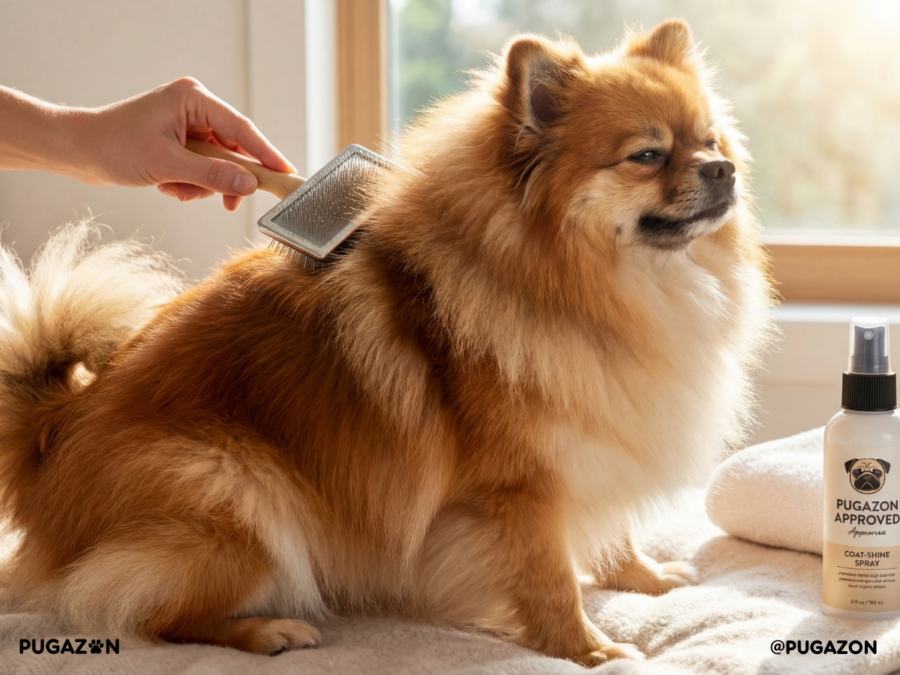
The Pug and Pomeranian breed thrives in a home where consistent routines, balanced nutrition, and proper grooming are part of daily life. Despite their small size, they need a structured care plan to prevent weight gain, dental disease, and coat problems common in toy breeds.
Exercise Needs
- Daily Walks: Two 15–20 minute walks are usually enough, plus indoor playtime.
- Mental Stimulation: Puzzle feeders, scent games, and basic training sessions help prevent boredom barking.
- Heat Sensitivity: If your Pom-A-Pug inherits a flatter muzzle, avoid exercise in hot weather to prevent breathing distress.
- Safe Play: Due to their small size, supervised play with larger dogs or young children is essential to prevent injury.
Diet and Feeding
- High-Quality Small Breed Food: Choose a protein-rich, low-filler formula tailored to toy dogs.
- Measured Portions: Overfeeding leads to obesity, which worsens breathing and joint issues.
- Frequency: Two meals a day, plus small training treats.
- Dental-Friendly Options: Crunchy kibble or approved dental chews help reduce tartar buildup.
- Supplements: Omega-3 oils promote coat health; joint supplements support mobility.
Grooming Routine
- Brushing: At least 3 times a week to control shedding, daily during seasonal coat blows.
- Bathing: Every 4–6 weeks or as needed with a mild dog shampoo.
- Ears: Clean weekly, as floppy ears (if inherited from the pug side) are prone to infections.
- Eyes: Gently wipe daily to prevent tear stains or irritation.
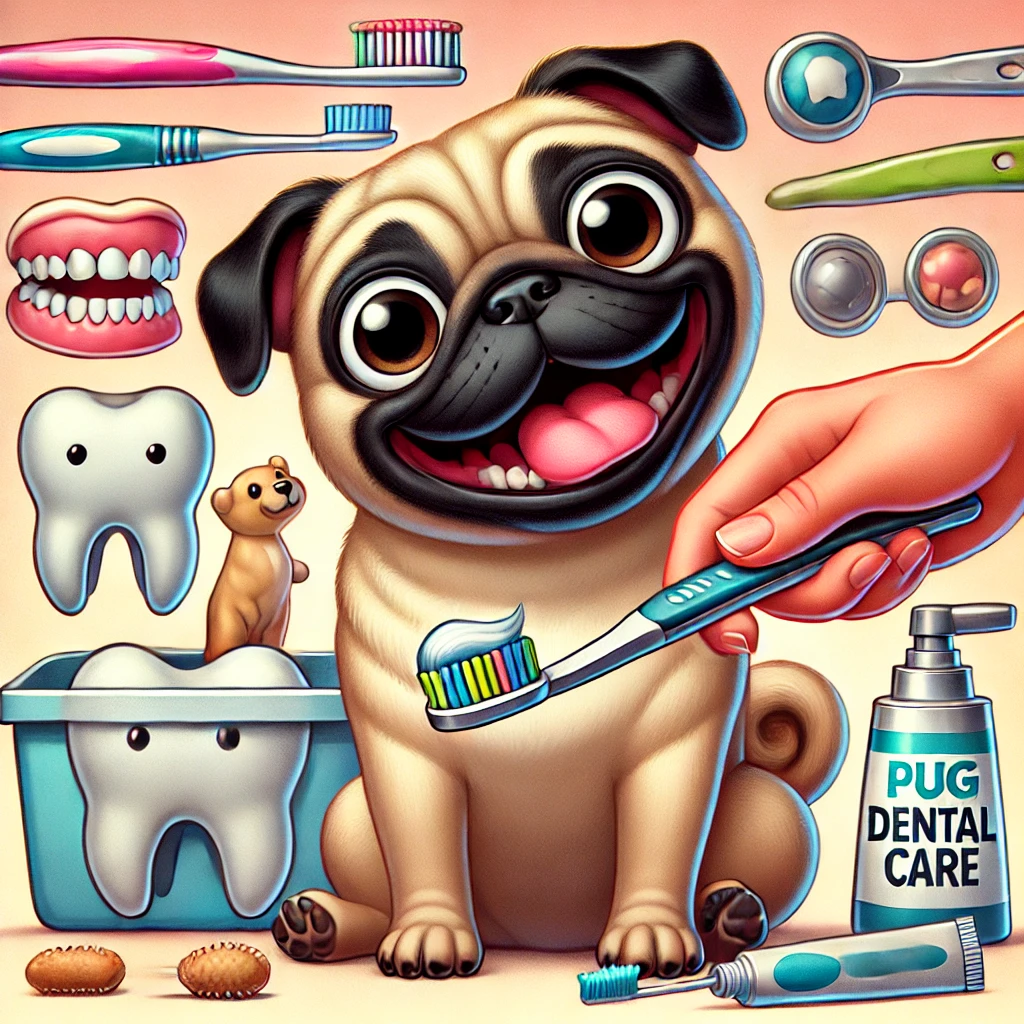
- Teeth: Brush 2–3 times a week with dog-safe toothpaste to avoid dental disease.
- Nails: Trim every 3–4 weeks.
Consistent grooming not only keeps your Pom-A-Pug looking sharp but also helps you spot early signs of skin irritation, parasites, or health concerns
Training & Exercise
The Pug and Pomeranian mix are intelligent and eager to please, making them relatively easy to train. However, they can inherit stubbornness or a bossy streak from either parent.
Training Tips
- Positive Reinforcement: Use treats and praise instead of harsh corrections.
- Short Sessions: Keep lessons 5–10 minutes long to match their attention span.
- Socialization: Introduce them to different people, pets, and environments early to build confidence.
- Crate Training: Provides a safe space and helps with housetraining.
- Consistency: Everyone in the household should use the same commands and routines.
Exercise Balance
- Low-Impact Play: Small fetch games, indoor obstacle courses, or short outdoor runs.
- Avoid Overexertion: Breathing difficulties may arise if they take after the pug side.
- Brain Games: Teach tricks, scent tracking, or use food puzzles to keep their minds sharp
Ethical Buying & Adoption
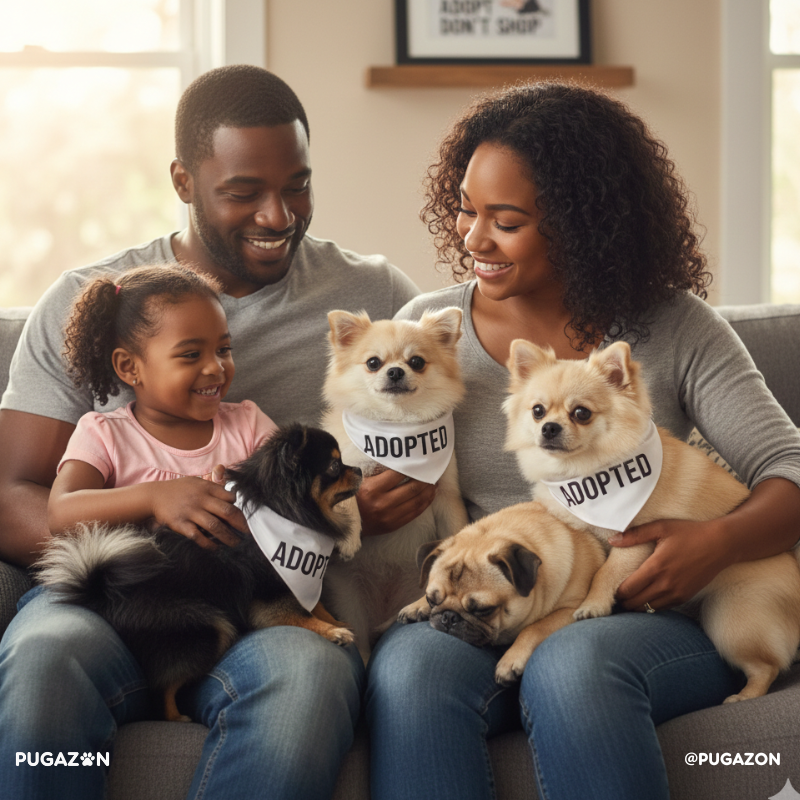
If you’re considering adding a Pom A Pug to your family, avoid rushing into online ads or questionable listings that promise “rare-colored Pom-A-Pug puppies” or immediate delivery. Many come from irresponsible breeders prioritizing profit over animal welfare.
For trusted information, explore our key resources:
- Pugs for Sale – expert guidance on buying and adopting pug mixes responsibly.
- Pug Breeders – advice on selecting reputable, welfare-focused breeders.
- Pug Rescue – find organizations that rehome Daug dogs and other pug mixes.
- Pug Charities – discover causes dedicated to supporting pug health and welfare.
- Pug Adoptions – learn safe, ethical ways to adopt a pug mix.
Adoption is a wonderful option, giving a loving home to a dog in need while avoiding unethical breeding practices. If you buy, choose a breeder who provides health certificates, socializes their puppies properly, and cares deeply about the welfare of every dog they raise.
Adoption saves lives and helps avoid fueling unethical breeding practices. If you buy, choose breeders who:
- Provide health certificates for both parents (heart, airway, eyes, knees).
- Socialize puppies in a home environment.
- Show transparency about their breeding practices.
- Offer health guarantees and return contracts
Thinking About Getting a Pug and Pomeranian Puppy?
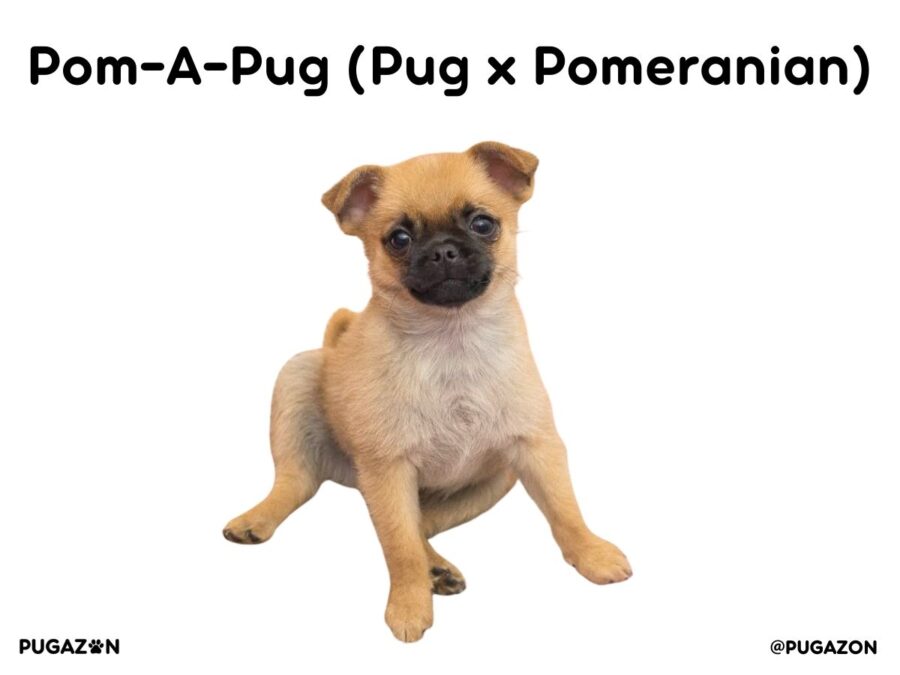
If you’re considering adding a Pom A Pug (pug Pomeranian mix) to your home, take the time to find reliable, ethical sources. Avoid online ads promising “rare-colored Pom-A-Pug puppies” or immediate availability, as these often come from irresponsible breeders who prioritize profit over health.
For trusted information, explore our key resources:
- Pugs for Sale – expert guidance on buying and adopting pug mixes responsibly:
- Pug Breeders – advice on selecting reputable, welfare-focused breeders.
- Pug Rescue – find organizations that rehome Pom-A-Pugs and other pug mixes.
- Pug Charities – discover causes dedicated to supporting pug health and welfare.
- Pug Adoptions – learn safe, ethical ways to adopt a pug mix.
Adoption is a wonderful option, giving a loving home to a dog in need while avoiding unethical breeding practices. If you buy, choose a breeder who:
- Provides health certificates for both parents (airway, eyes, heart, knees).
- Raises puppies in a clean, family setting with socialization.
Welcomes questions and offers lifetime support for every puppy they sell
FAQs About Pom-A-Pug (Pomeranian Pug Mix)
A small mixed breed dog created by crossing a pug with a Pomeranian. Known for their affectionate, playful personalities and compact size, they thrive in homes where they receive lots of attention and care.
Most adults weigh 7–15 pounds and stand 8–12 inches tall, making them ideal companions for apartments or small houses.
Yes. Shedding is moderate to high depending on coat type. Daily brushing reduces loose hair and keeps their fluffy coats tangle-free
Typically 12–15 years, provided they have balanced nutrition, exercise, and regular veterinary care
Pom-A-Pugs are affectionate and playful but fragile due to their small size. Supervision with young kids is essential to avoid accidental injuries.
Potential issues include breathing difficulties, patella luxation, dental problems, tracheal collapse, and eye conditions. Vet screening and good breeding reduce risks.
No. They shed and produce dander, which may trigger allergies. Regular grooming can help reduce allergens in the home.
Yes, they’re smart and responsive to reward-based training, though they may inherit some Pomeranian stubbornness
30–40 minutes daily split between short walks and play sessions is usually enough. Avoid overexertion in hot weather
Often more vocal than pugs, thanks to their Pomeranian heritage. Early socialization and training reduce nuisance barking
Generally yes, when introduced gradually. They enjoy companionship but should be supervised with larger dogs due to their small size.
High-quality small-breed food with measured portions to prevent obesity and maintain dental health.
Begin at Pugs for Sale for ethical breeder guidance, adoption resources, and buying tips.
Regular brushing 3–4 times a week, ear cleaning, eye wipes, nail trimming, and dental hygiene to keep them healthy and comfortable
Yes. Their small size and adaptable nature suit apartment living, provided they receive daily exercise and mental stimulation.
For short periods, yes. However, they may develop separation anxiety if left alone frequently without proper training and enrichment
Occasional trims help manage longer coats inherited from the Pomeranian side, especially around paws, tail, and ears
Usually 6–12 months, depending on your vet’s advice regarding growth, behavior, and individual health considerations